September 5 – 9, 2017
It’s been 3 years, but Amber and I still reminisce about this hike and this trip. We spent three weeks in Peru, but I felt this trek was such an amazing experience that it deserved it’s own post.
We wanted to hike to Machu Picchu…period. We looked into bookings five months in advance (May 2017) to find out all the passes for the Inca Trail were already sold out for September. We later found out that the Inca Trail has been limited to 500 passes a day including porters and guides. Thus, sells out several months in advance. (Tip: I would suggest giving yourself 6-8 months depending on the hike you want to do). Panic was setting in…thinking we weren’t going to be able to do a hike. There are several hikes to Machu Picchu available in addition to the classic Inca Trail.
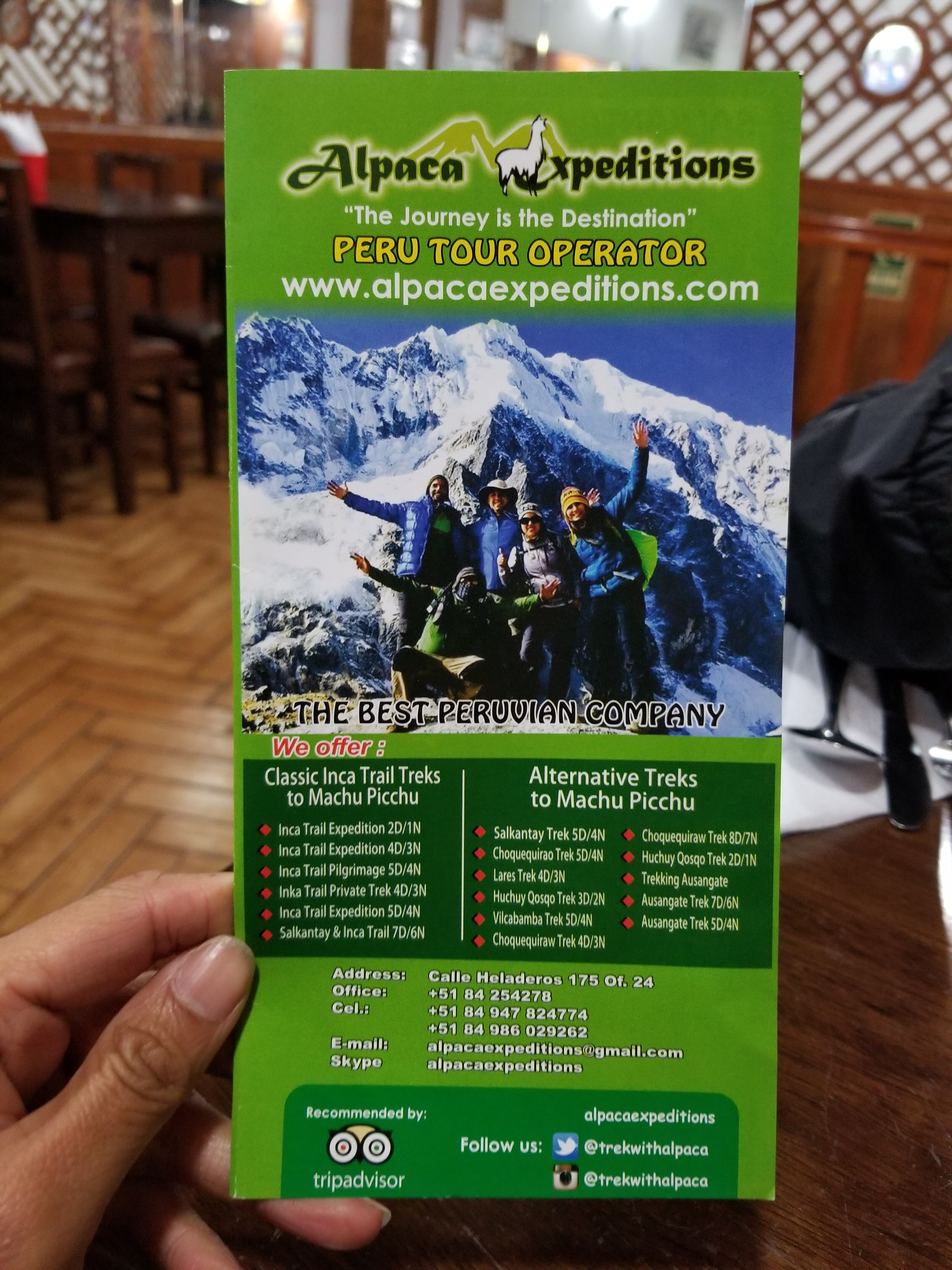
The number of outfitters that do treks in Peru is quite overwhelming. As word of mouth is the best advice, I began contacting friends and acquaintances who had been to Peru and got a referral for Alpaca Expeditions. We researched a few more through trip advisor and starting emailing companies requesting quotes and itineraries. Despite some slow email responses we decided to continue with Alpaca Expeditions. They used local guides and porters and had raving reviews. Of the several they offer we decided to do the 5 day 4 night Salkantay Trek. It is one of the more challenging treks, but we were excited and determined.
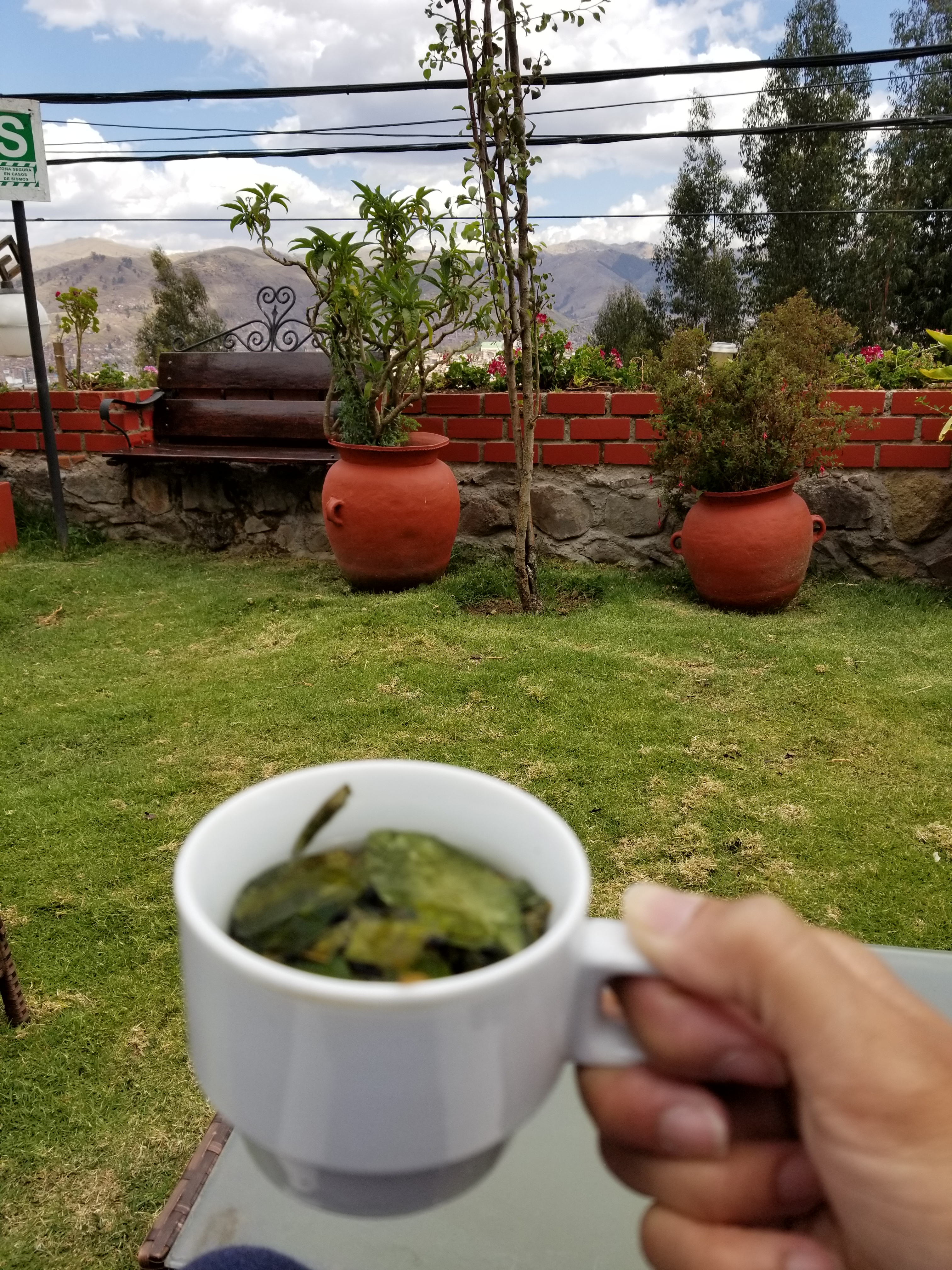
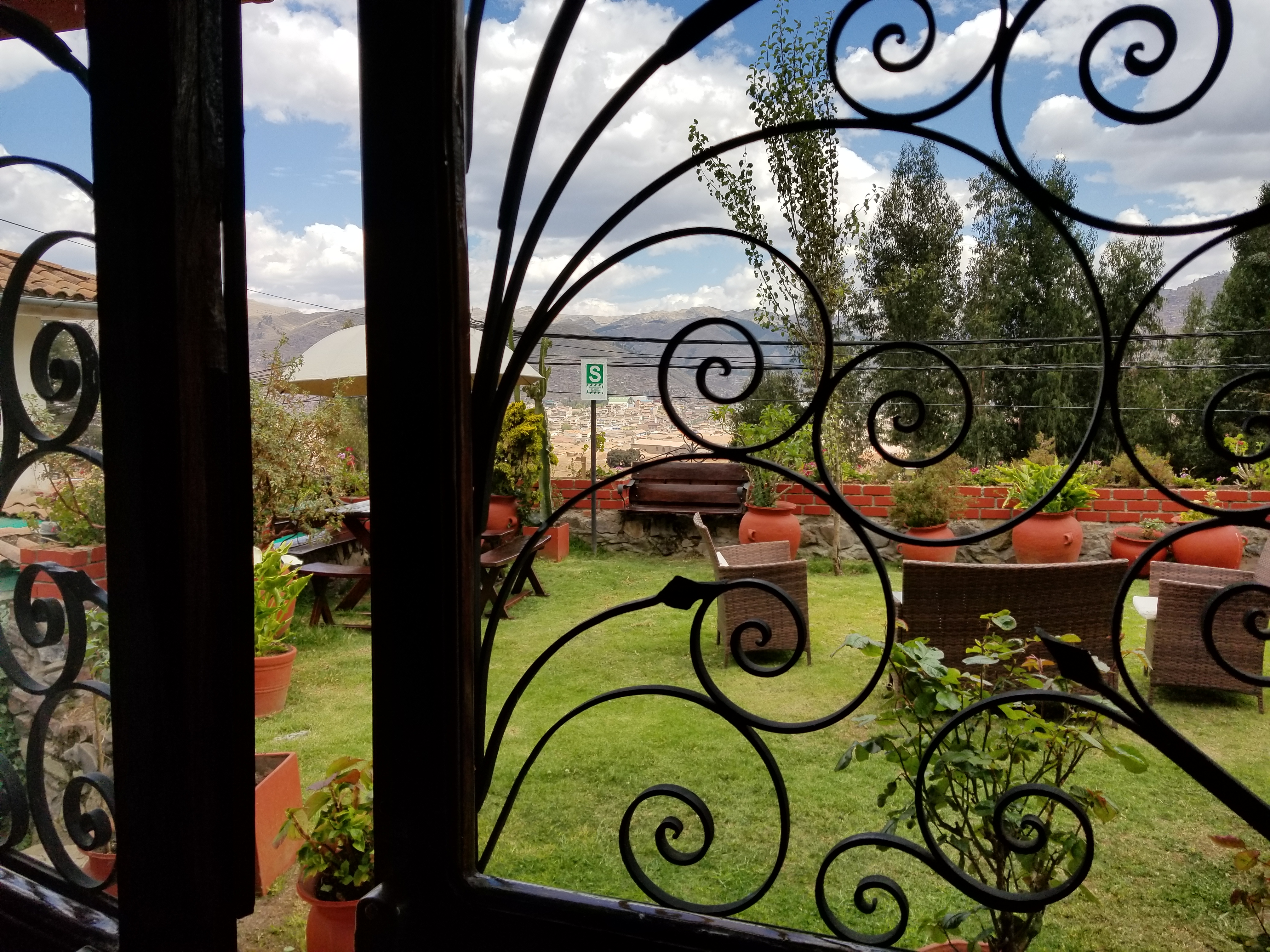
Our journey began with a flight into Cusco giving us two days to acclimate to the altitude (11,162 ft). We stayed at a charming hotel on the north side of the city called Encantada. Where we enjoyed several cups of coca tea and some beautiful views of the city. The altitude made it’s presence known with a mild headache and dizziness. We hydrated and opted to NOT take the Diamox that we each brought for the altitude sickness… we made this choice hoping to avoid taking a medication we both were unfamiliar with and avoid the diuretic issues.
Side note: Diamox (Acetazolamide) – prescribed drug given for glaucoma and acute altitude sickness. Dosing 500-1000mg PO q12h, to start 24-48h before ascent and continue for 48h at high altitude or longer. Essentially it speeds up the acclimatization process which improves the symptoms. It’s a complicated pharmacology lesson involving kidneys and excretion of bicarb, etc.. (diuretic properties) so be prepared to pee a whole lot the first day you take it.
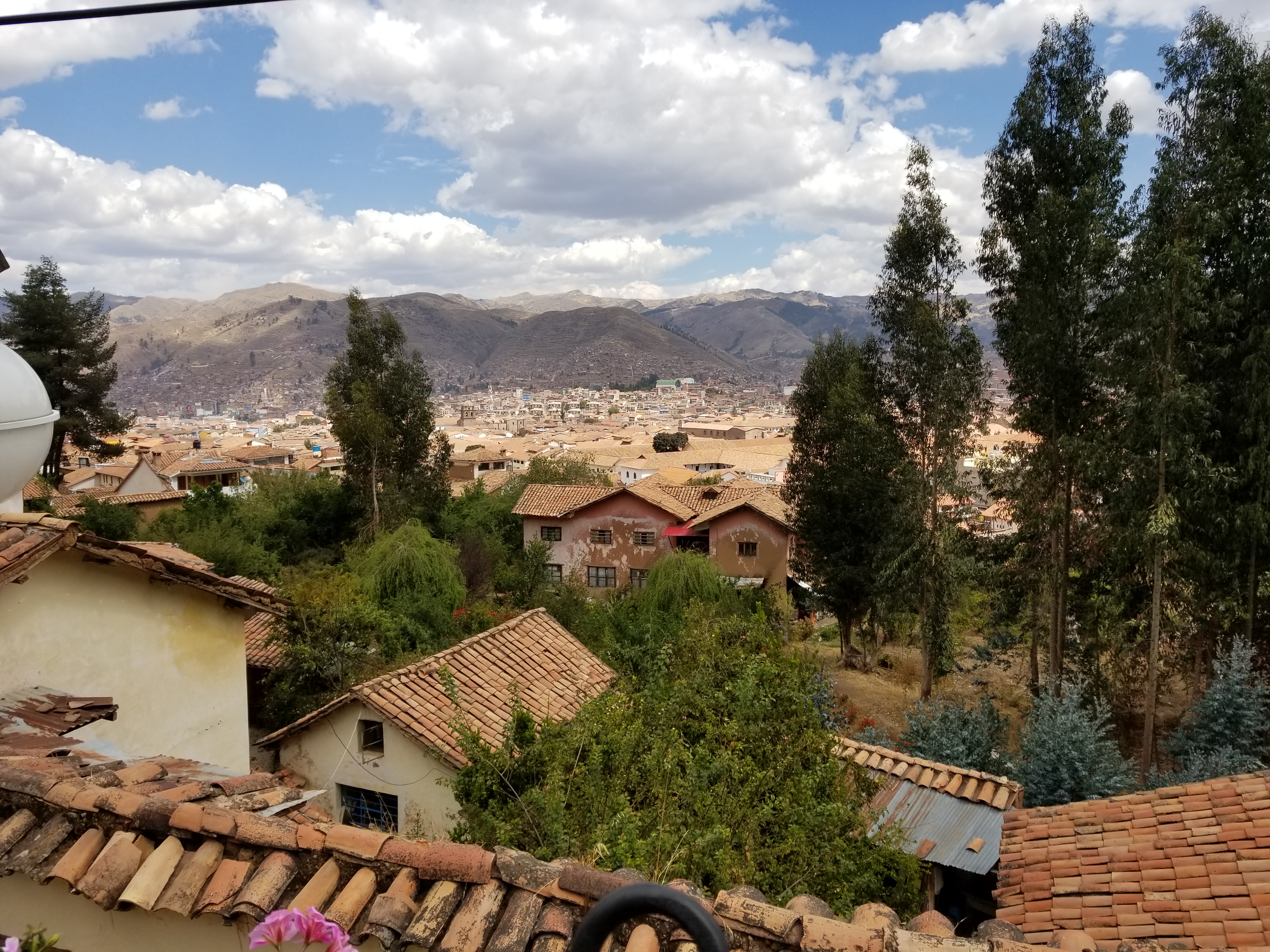
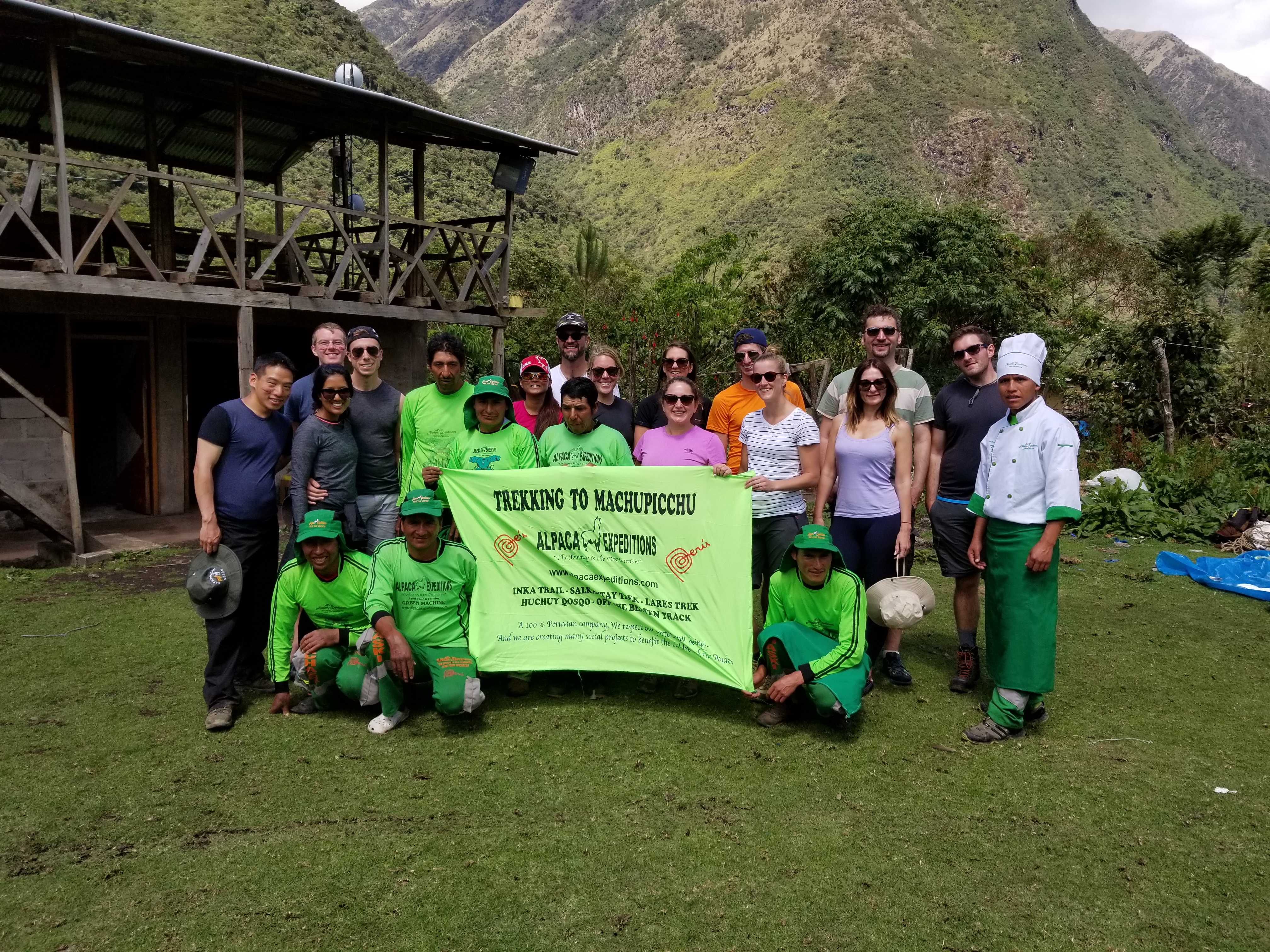
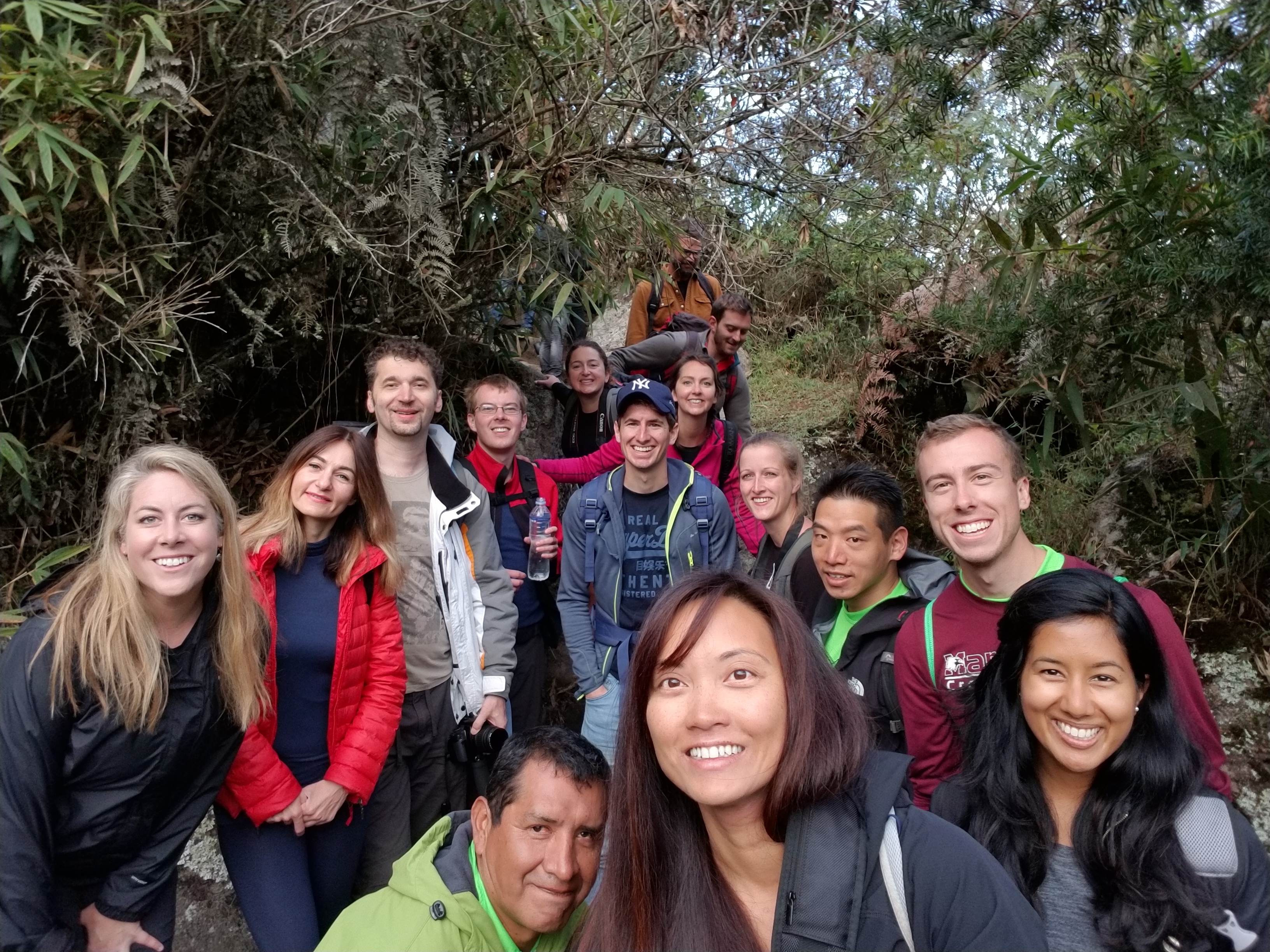
It was a little bit of an adventure navigating the streets of Cusco to figure out where we had to go for our pre-hike meeting. There we met the 12 other hikers we would be hanging out with for the next five days. An eclectic and fun group of varying ages, professions and a shared love of travel.
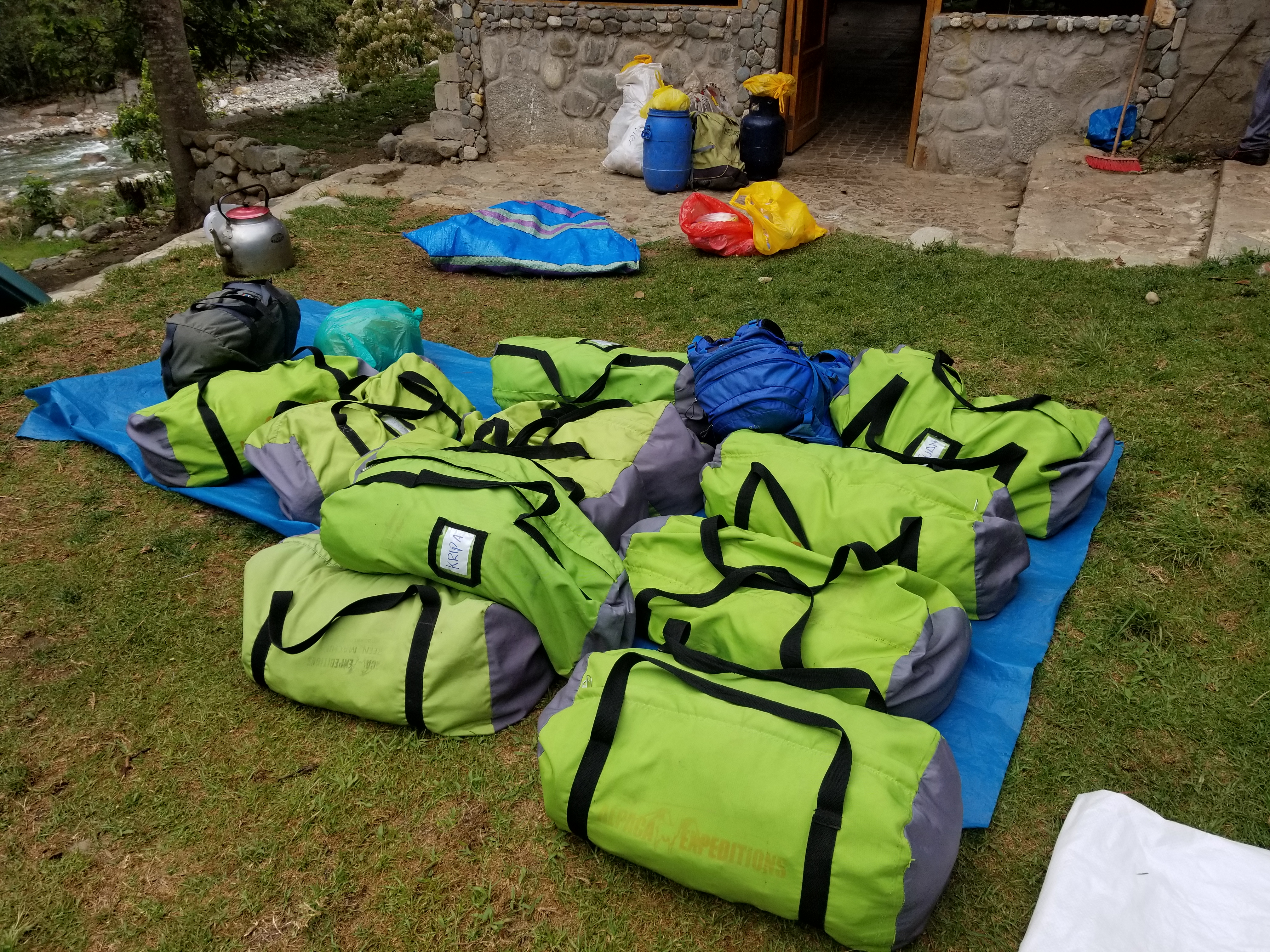
Tip: most hotels in Cusco are very familiar with trekkers coming and going. Thus, leaving a bag behind for later is something they do quite often. We packed what we thought we would need for 5 days into the green duffle bags provided by Alpaca Expeditions. We stored the rest of our bags with the hotel until our return.
Salkantay Trek
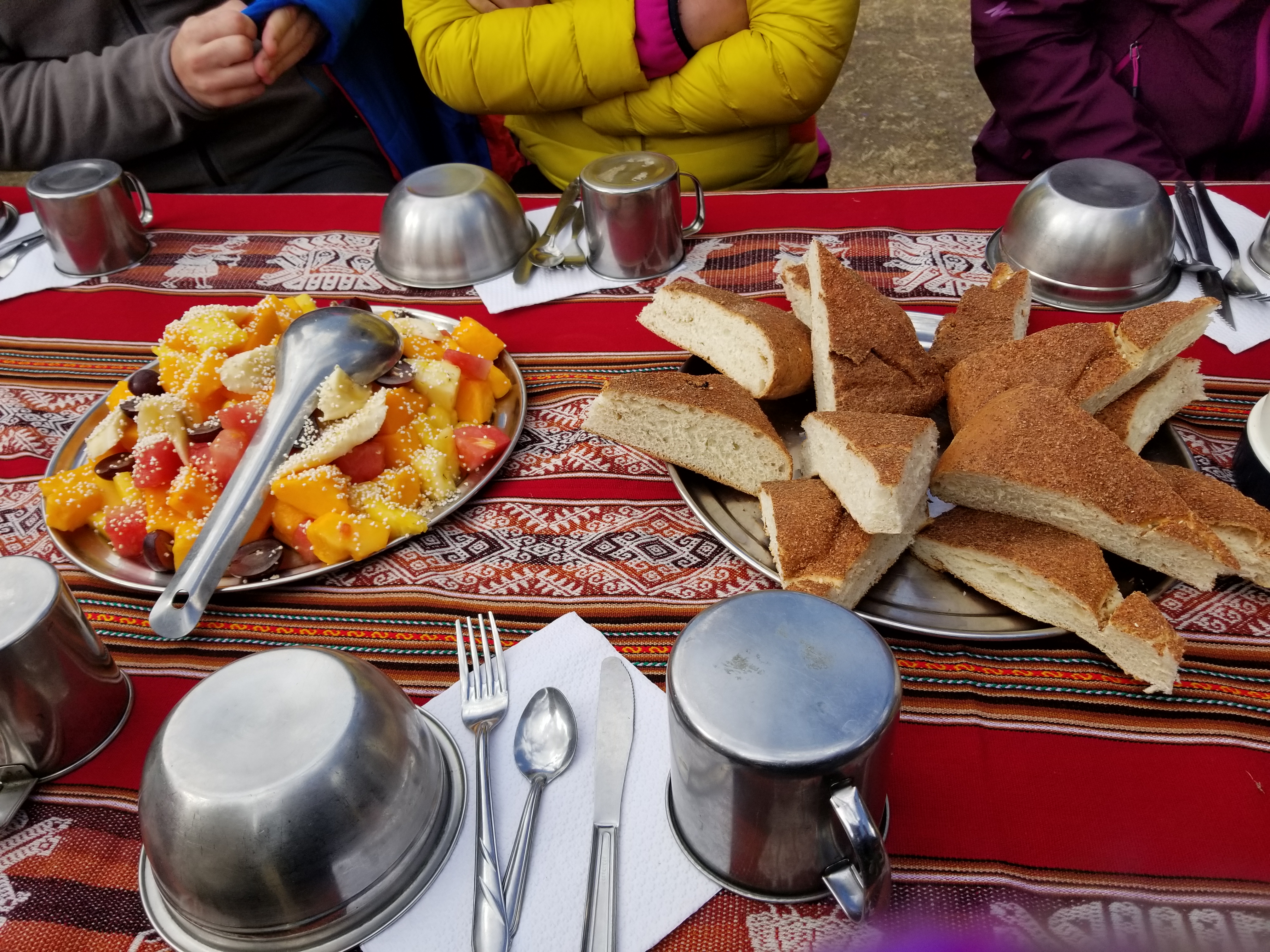
Day 1 (15km = 9.3 miles) – began with an early morning round up of all the participants and a long and very windy single lane road into the mountains to where we would begin our hike. The road was so narrow that the van would honk to warn oncoming traffic that we were coming around the corner. Also, very windy so be prepared if your prone to car sickness. The car ride was about 3.5 hours to Soraypampa (12,825 ft). The views at the base were gorgeous. Before the start of our 5 day journey, we enjoyed a light breakfast of toast, fruit, instant coffee and coca tea.

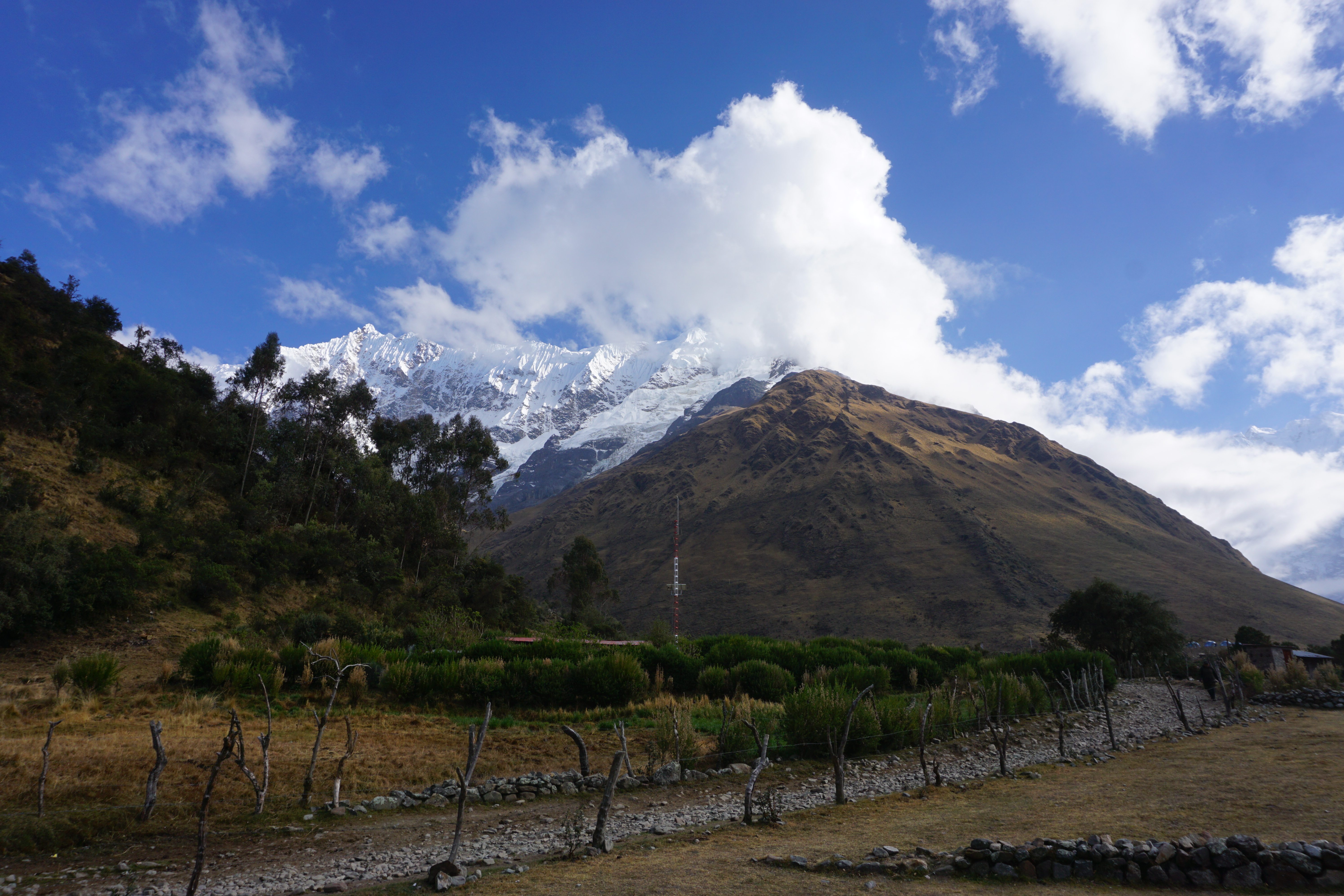
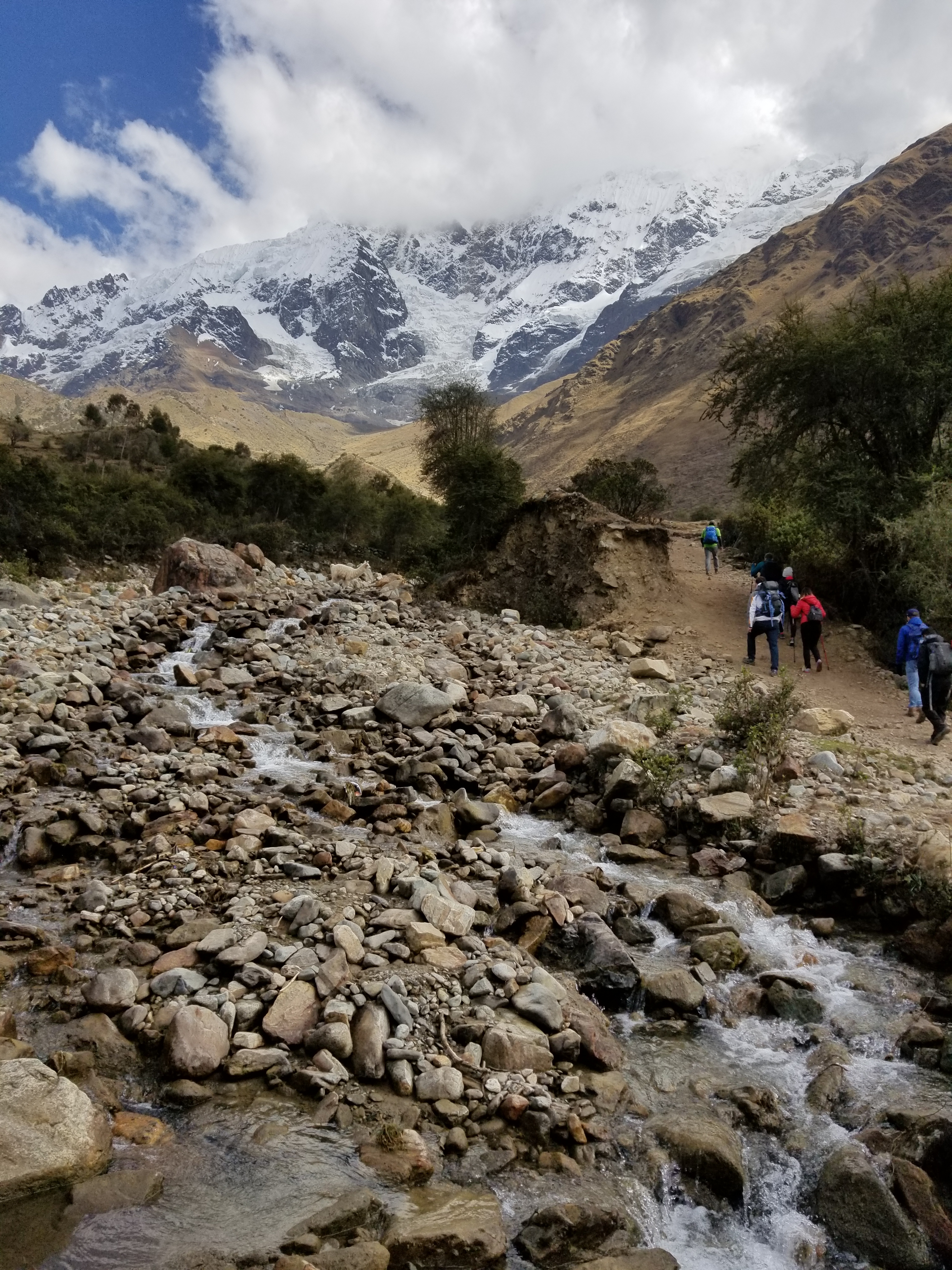
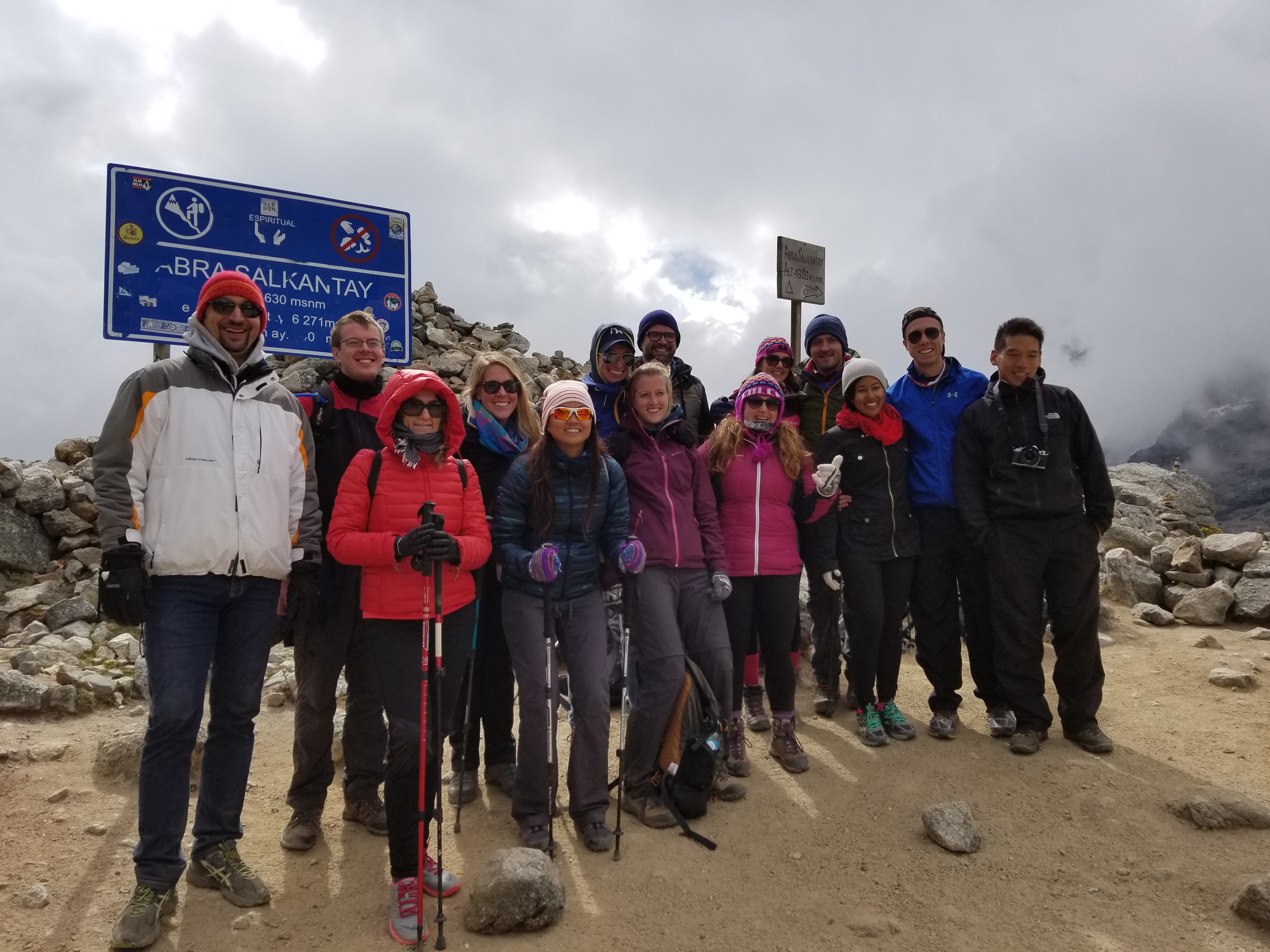
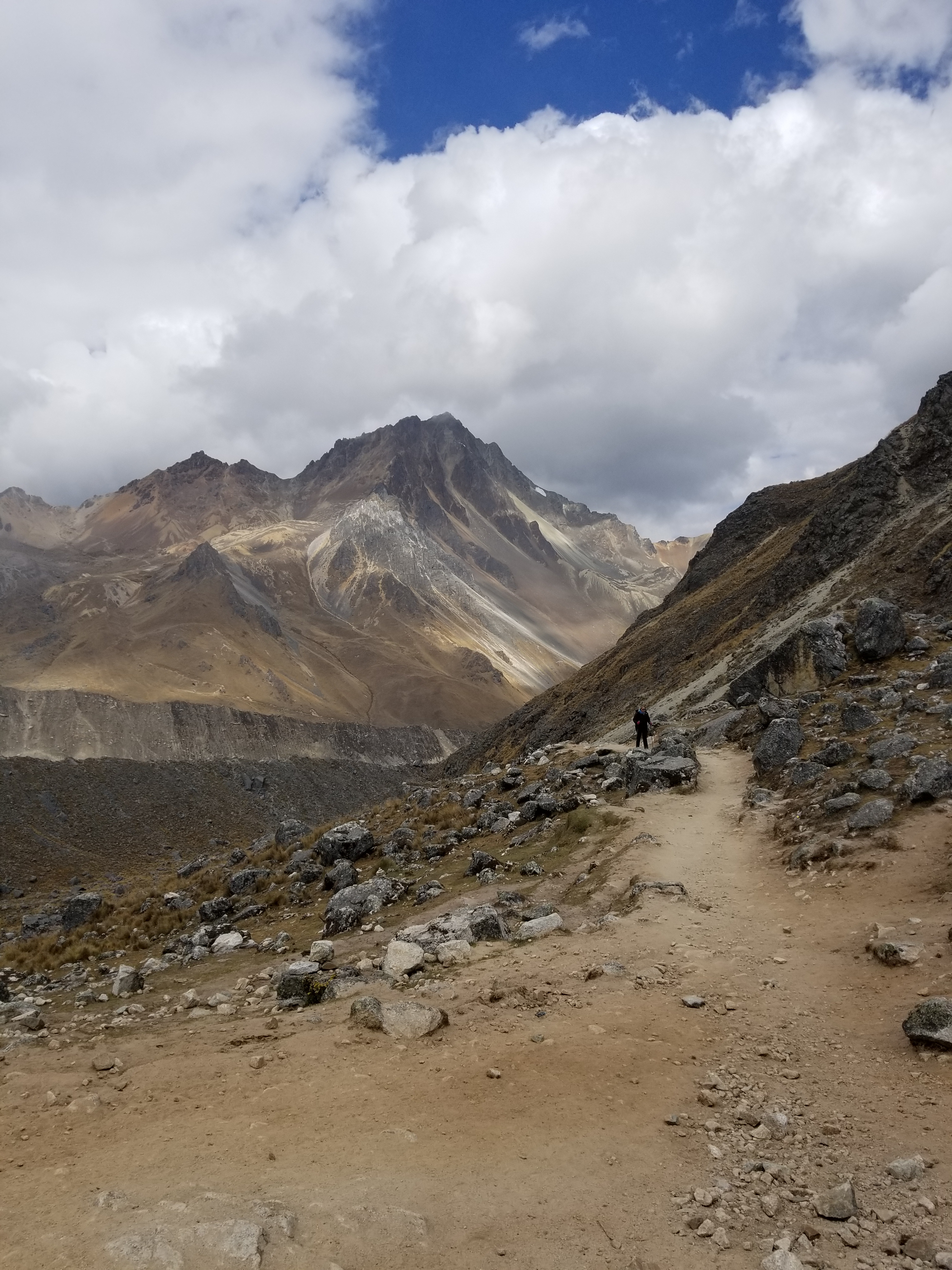
Our hike up to the summit was filled with multiple temperature changes and wardrobe alterations. Donning and doffing of different layers. As we ascended higher, altitude sickness began to kick in. I felt the pounding headache first which was followed by the dizziness. We hit the summit at 4,620 m or 15,157 ft bundled up with toques, mitts and scarves we were in awe of the snow capped mountains surrounding us.
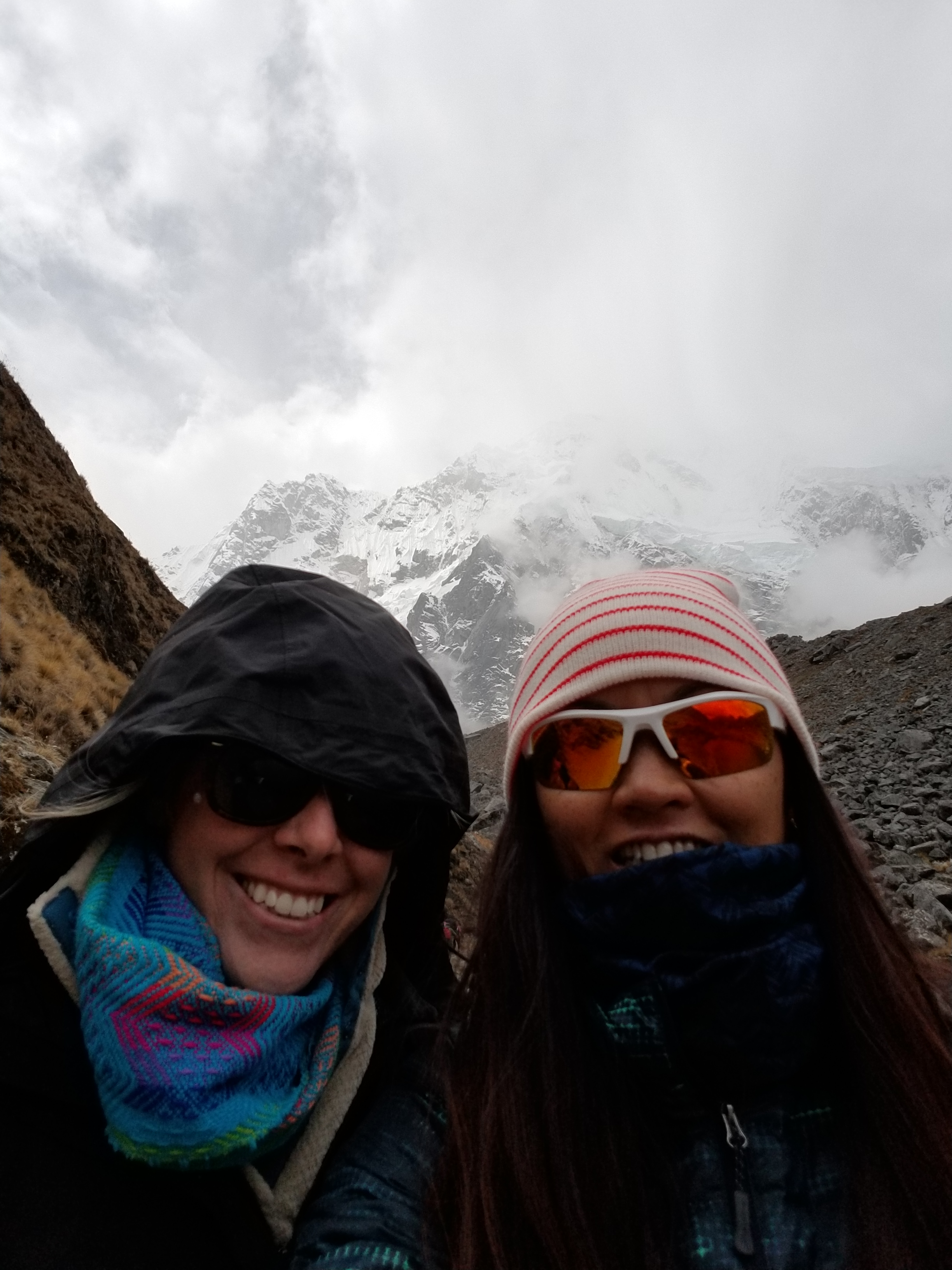
Cold start 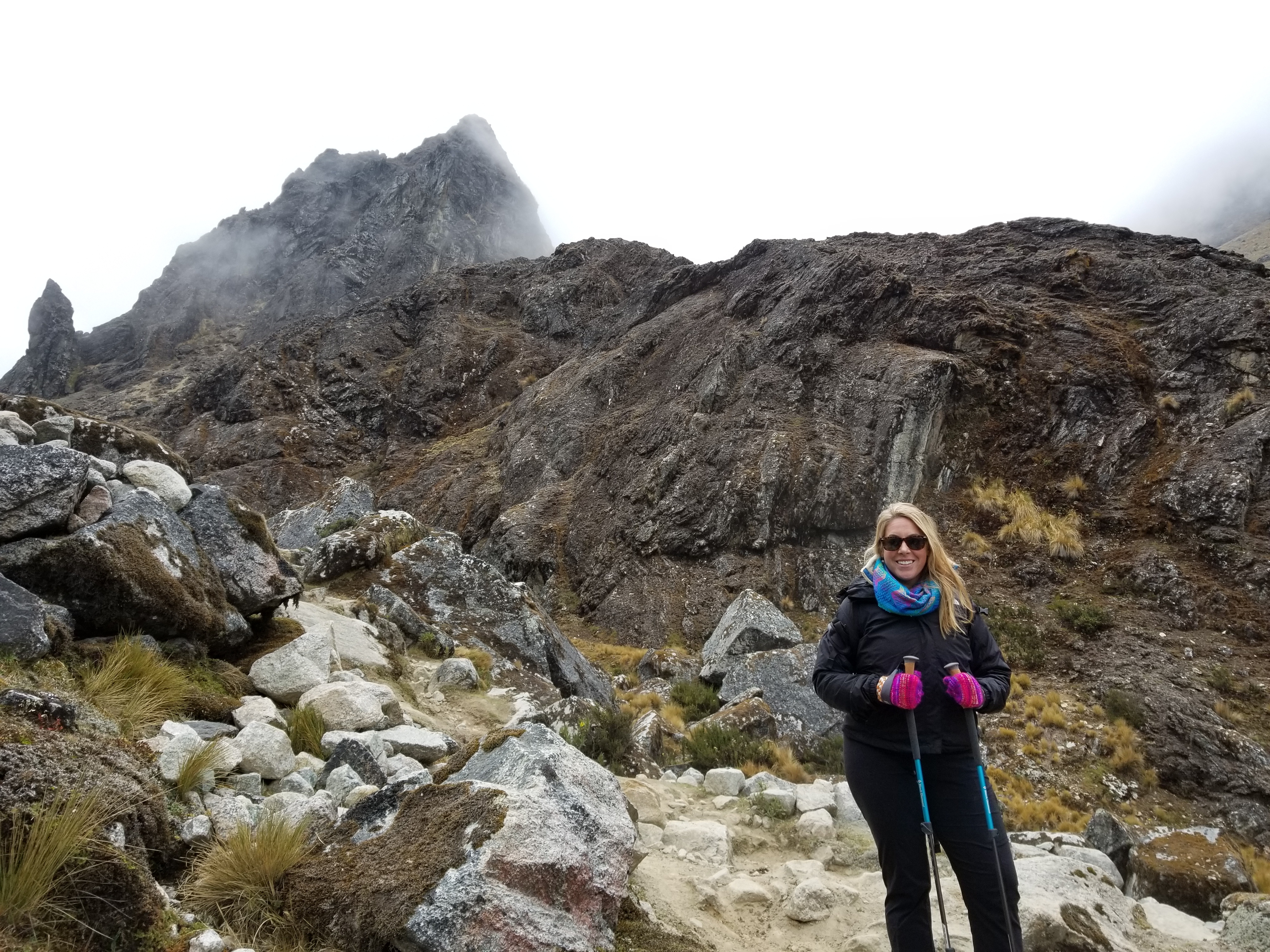
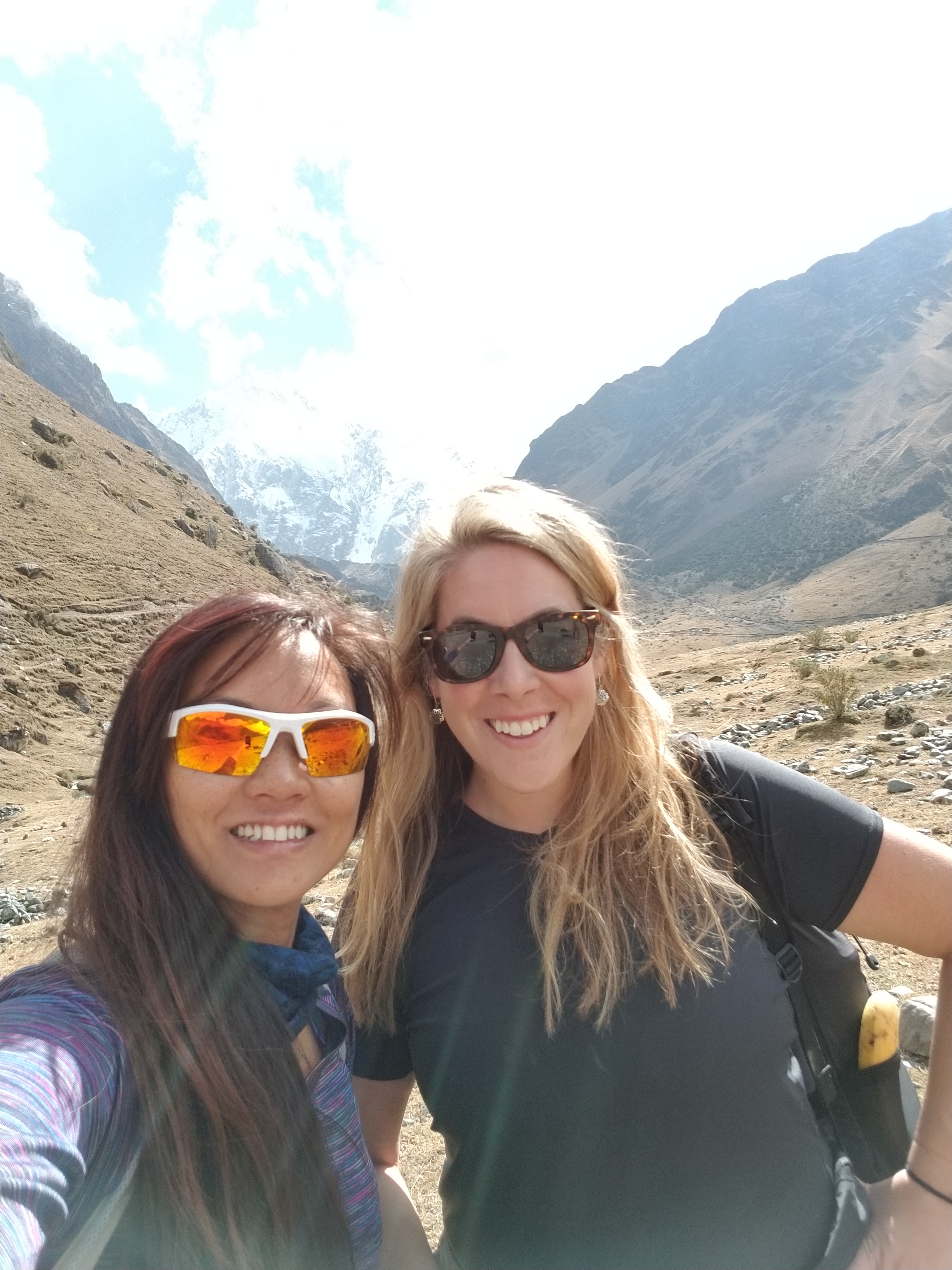
Started to get warmer 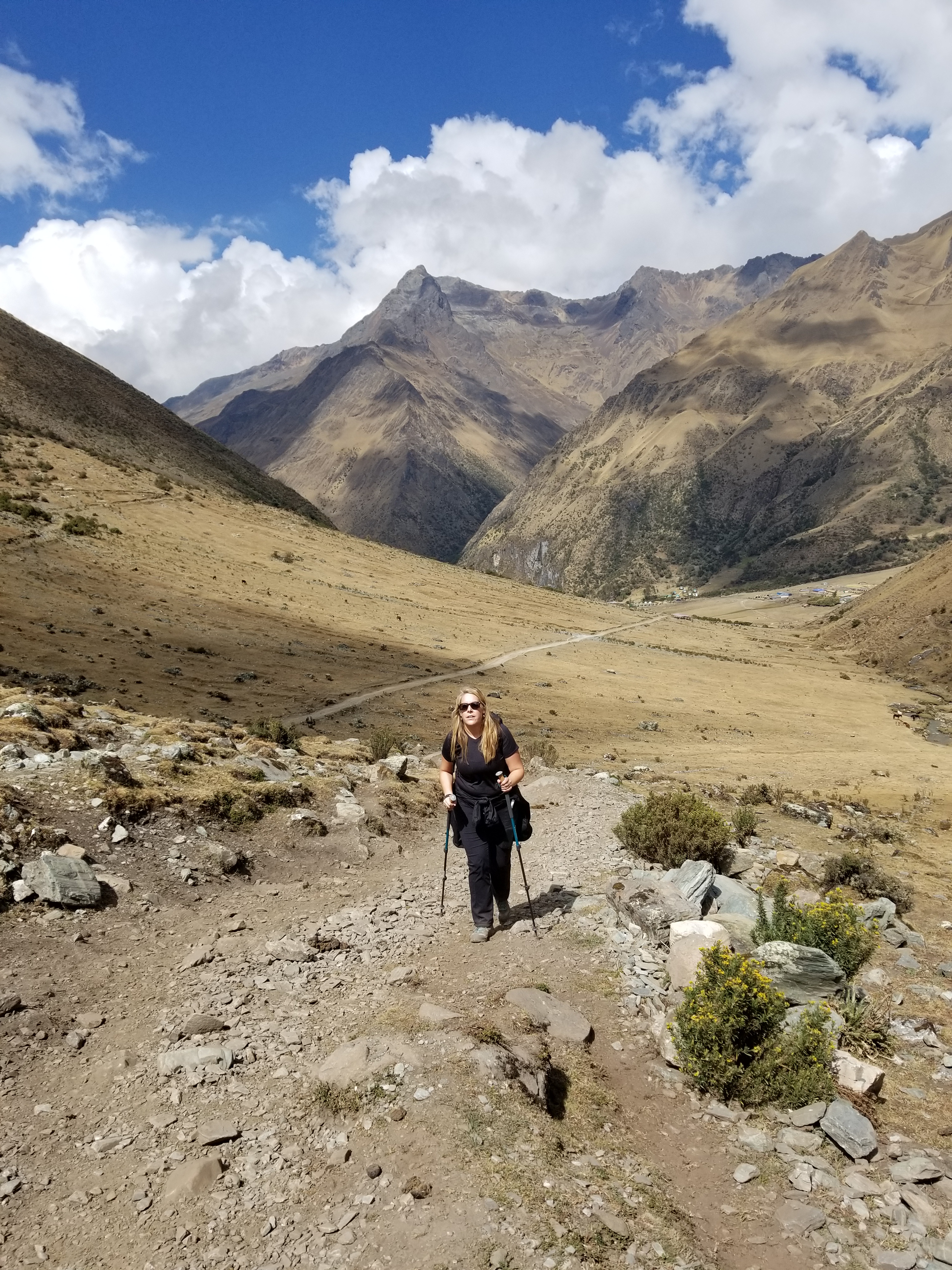
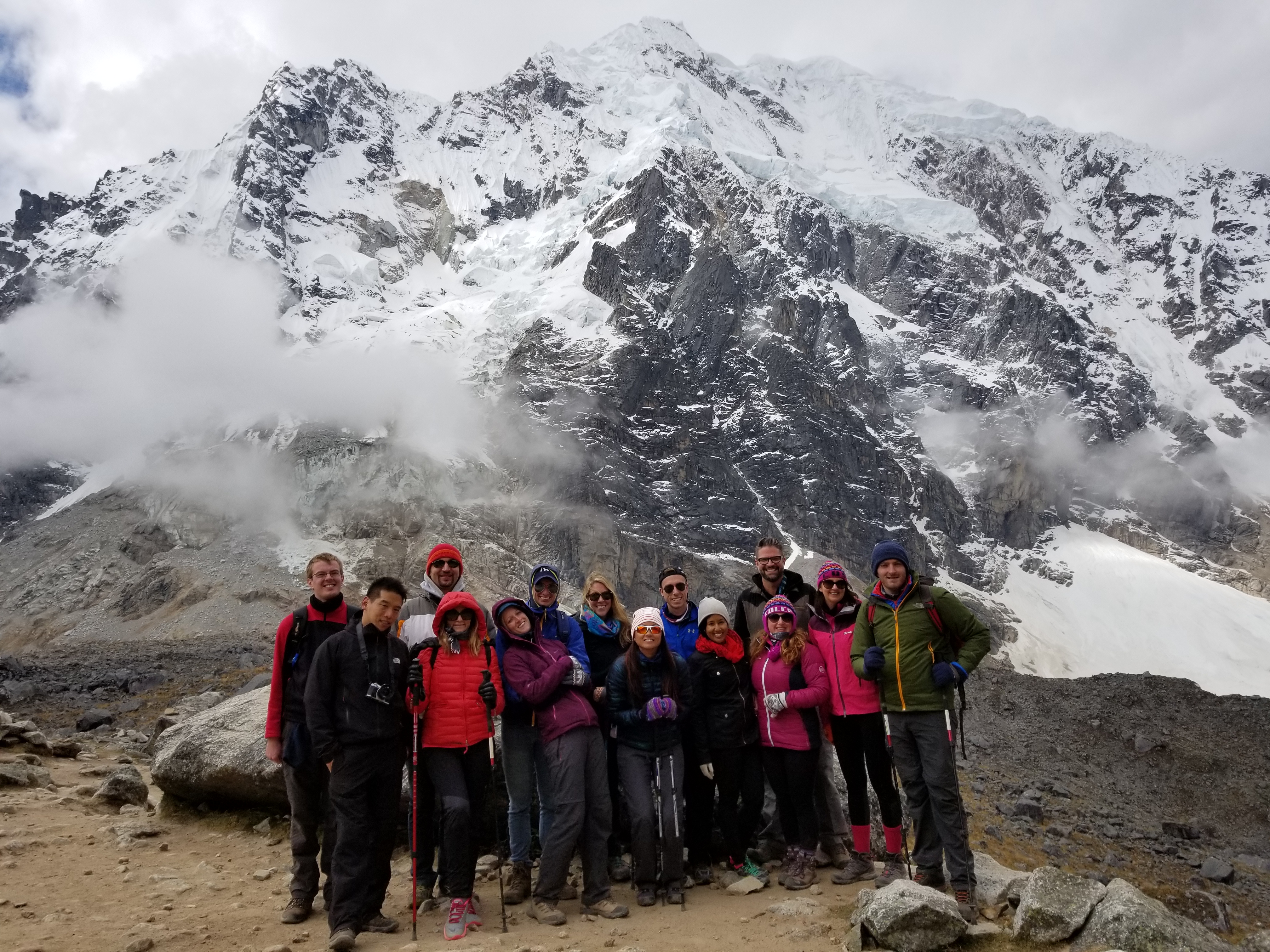
Summit of Salkantay Pass 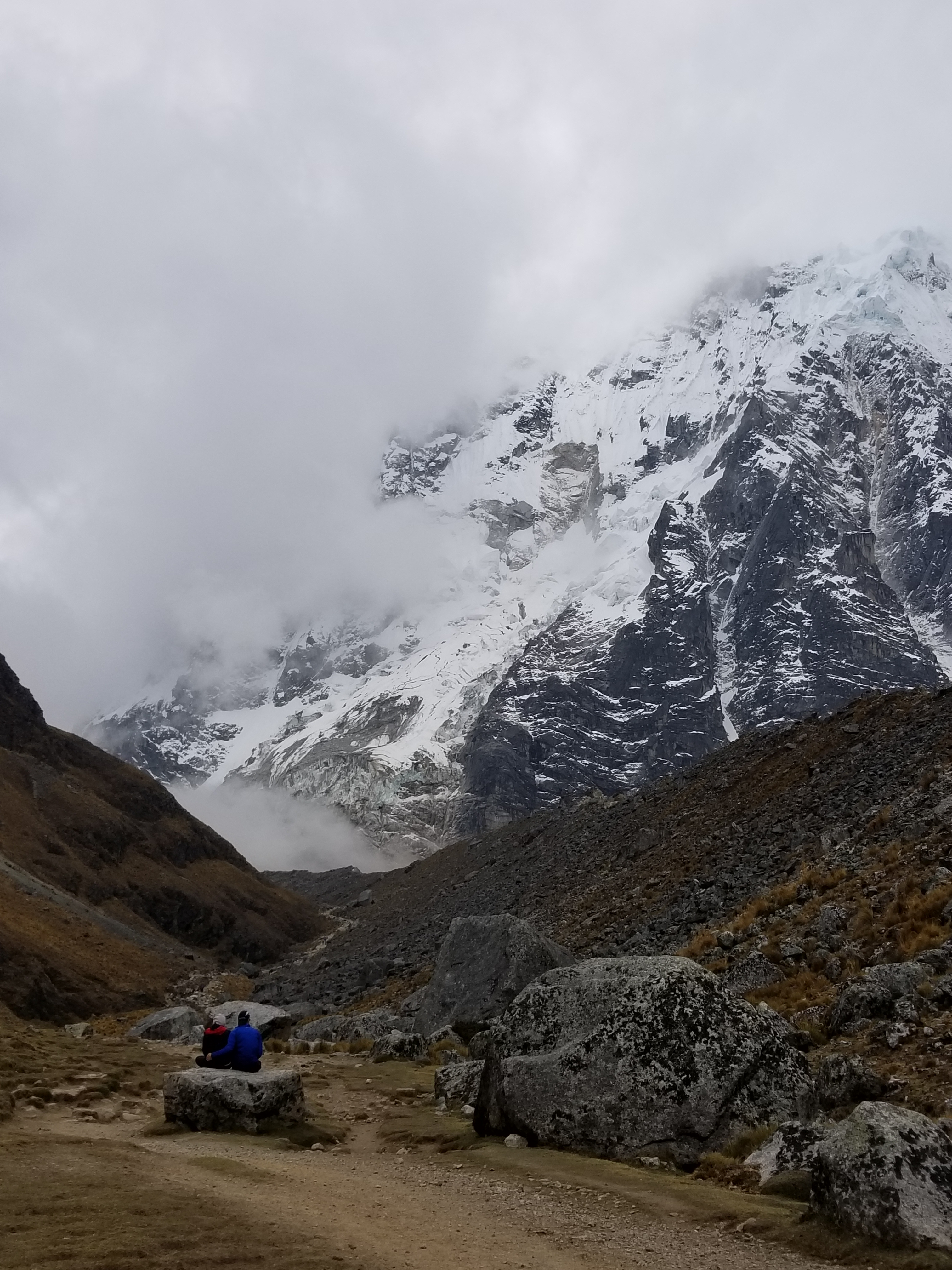
Ryan + Kripa
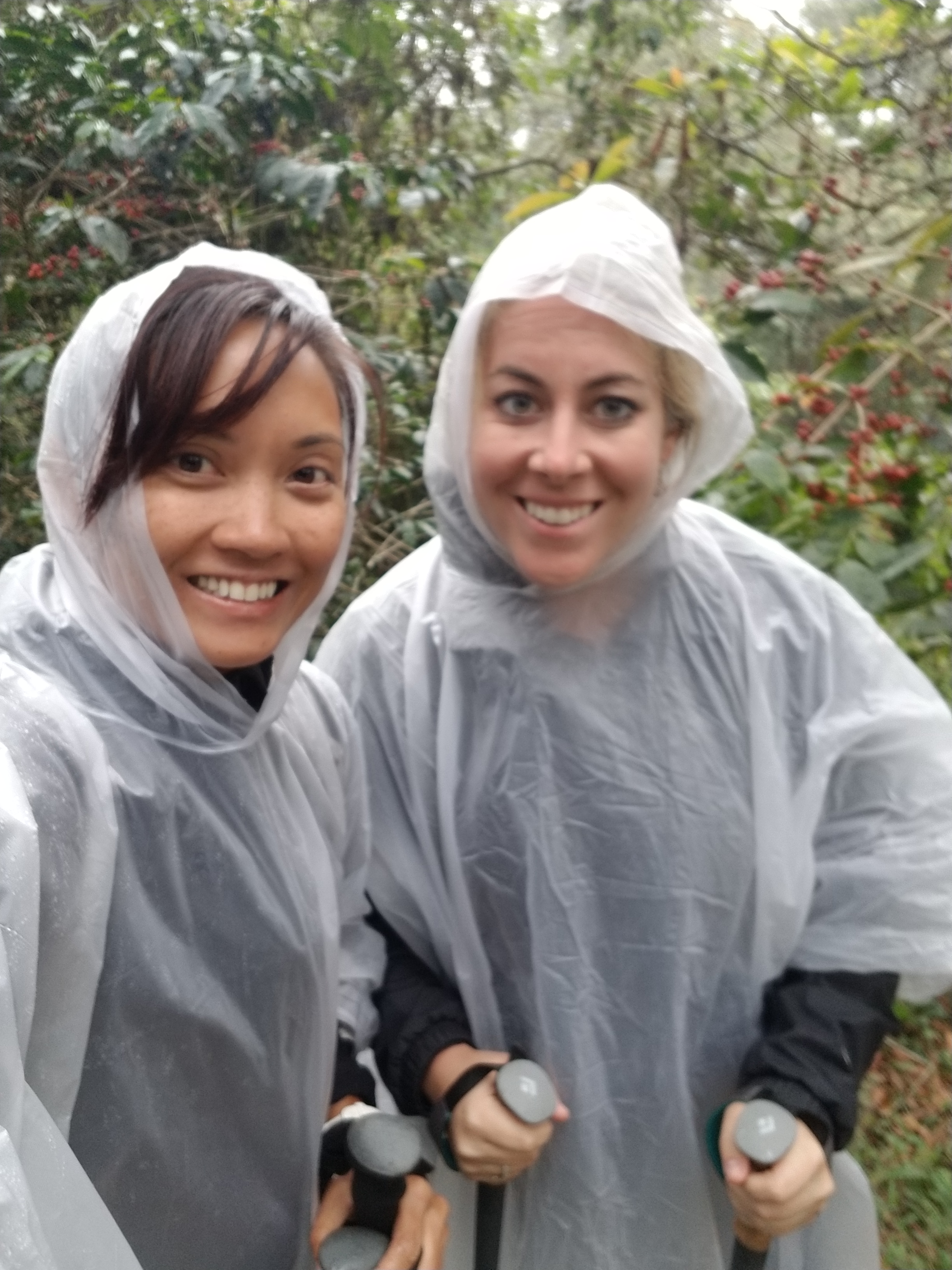
The rest of the hike was downhill from there, however it wasn’t without challenges as the rain began a few more miles downwards. As the rain began to increase, the headache worsened and the dizziness persisted. The rain with the dizziness made it hard for me to look up…so I just didn’t. I powered through the rest of the hike by looking down the entire time to avoid puddles and twisting my ankles on random rocks.
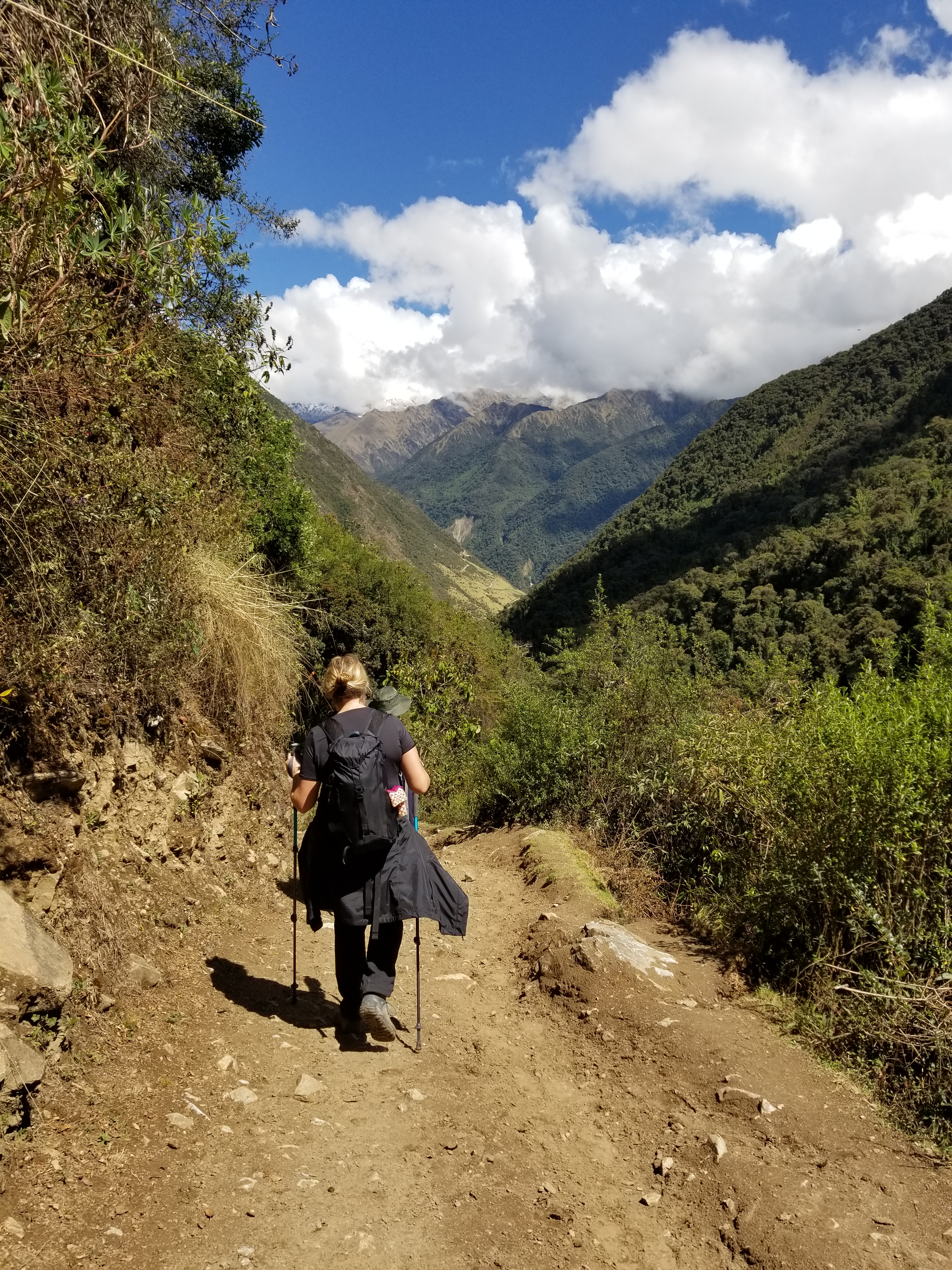
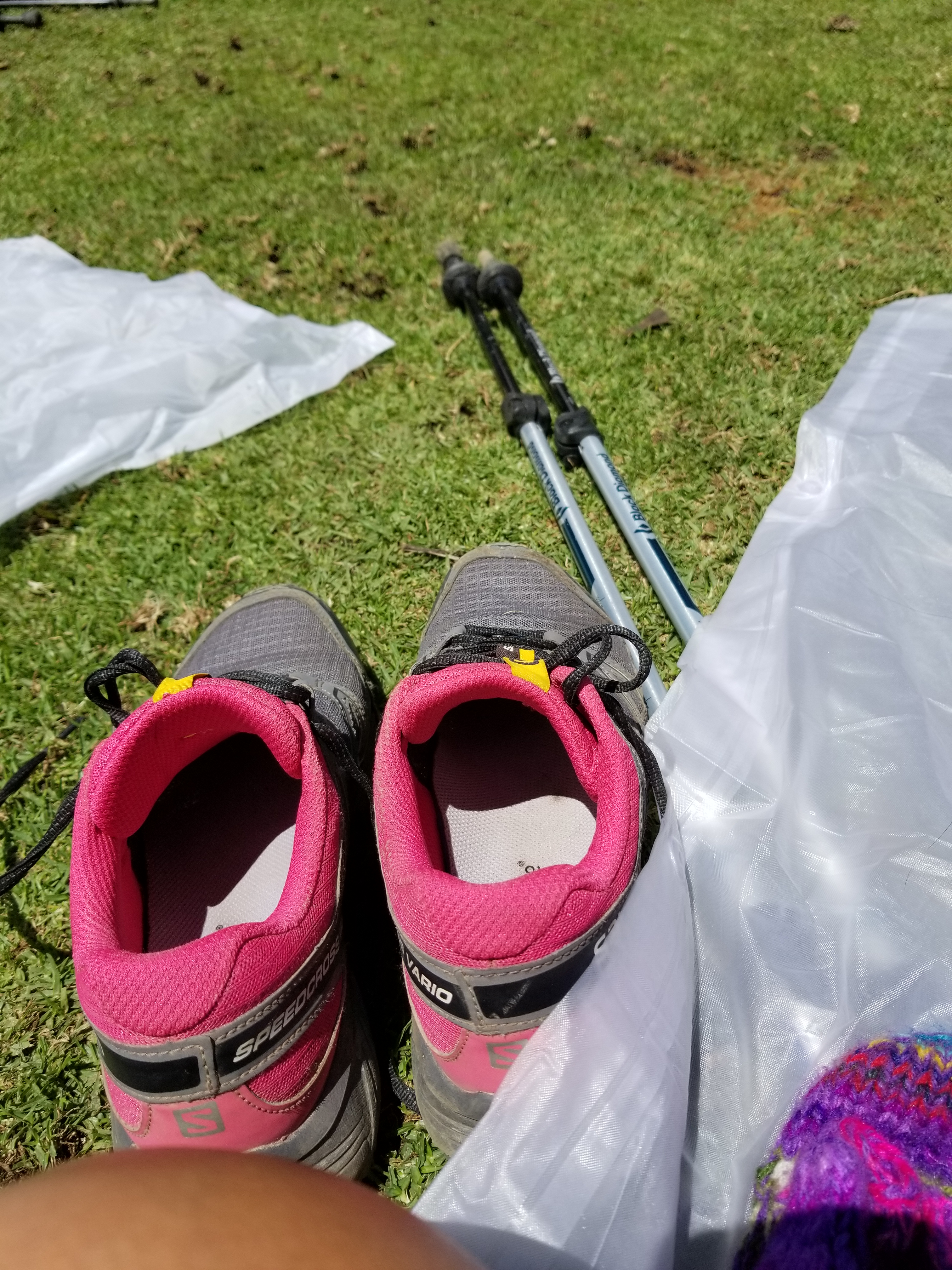
If you are considering poles – I highly recommend them, if you don’t want to pack them, you can rent them through your outfitter. Very useful on the downhills.
Also: if you are curious about bathroom facilities. As any hiking journey goes, the world is your oyster…or should I say your “inka toilet”. Finding a private rock that no one has ever christened is almost impossible so get over your qualms about copping a squat, trust me when nature calls, you won’t care. There are a couple more “normal bathrooms” along the path, but I would say they are a minority and if you have a small bladder, the easiest would be the inka toilet. Also, bring a few coins as some people you meet along the way may let you “use” their hole in the ground/toilet for some change. One thing to consider if you are female is maybe to plan your hike around when aunty flow decides to show up. This is something I did not do and can say from experience that it can get very challenging at times. Now that that visual is clear in your head…let’s get back to hiking.
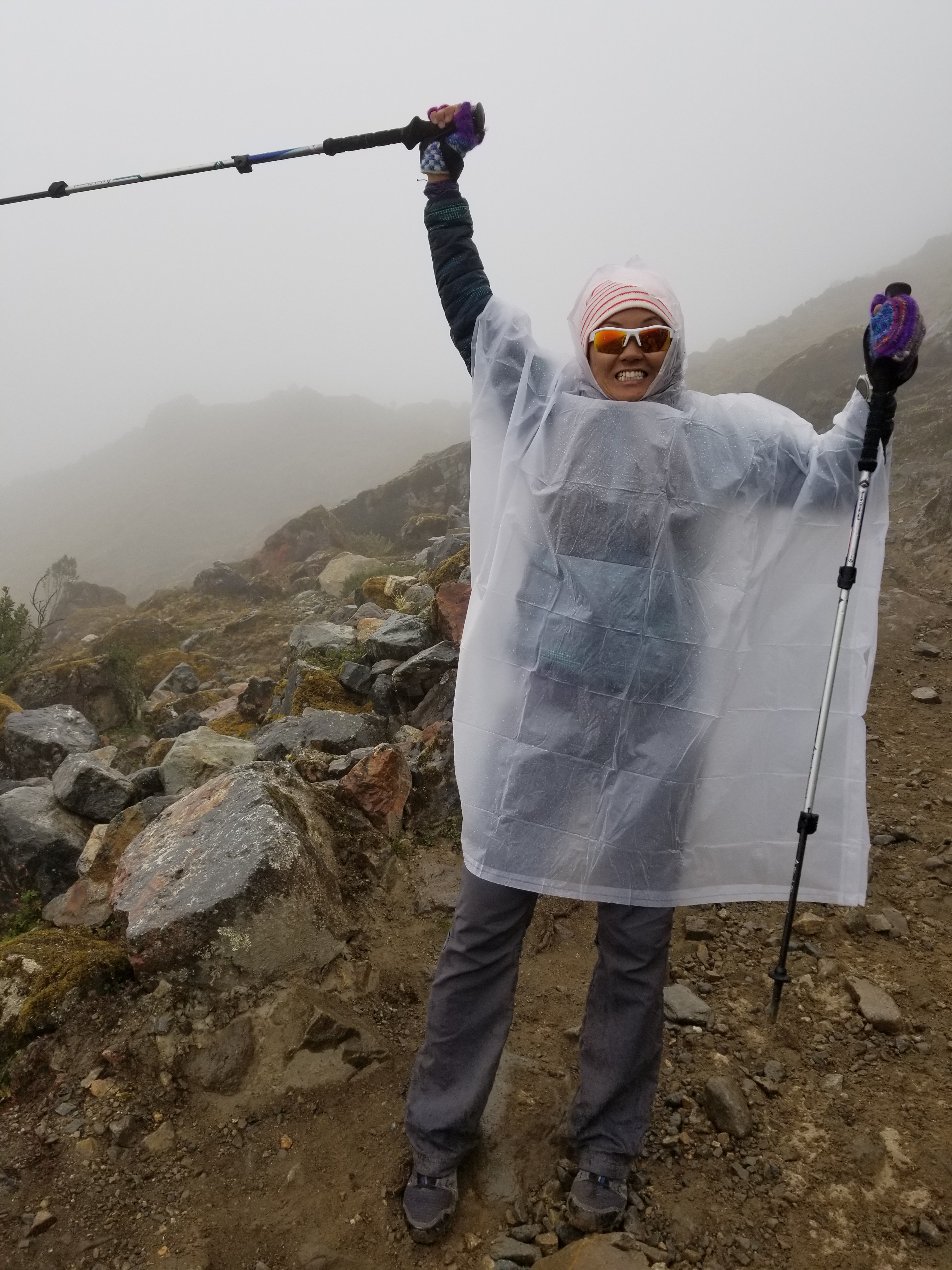
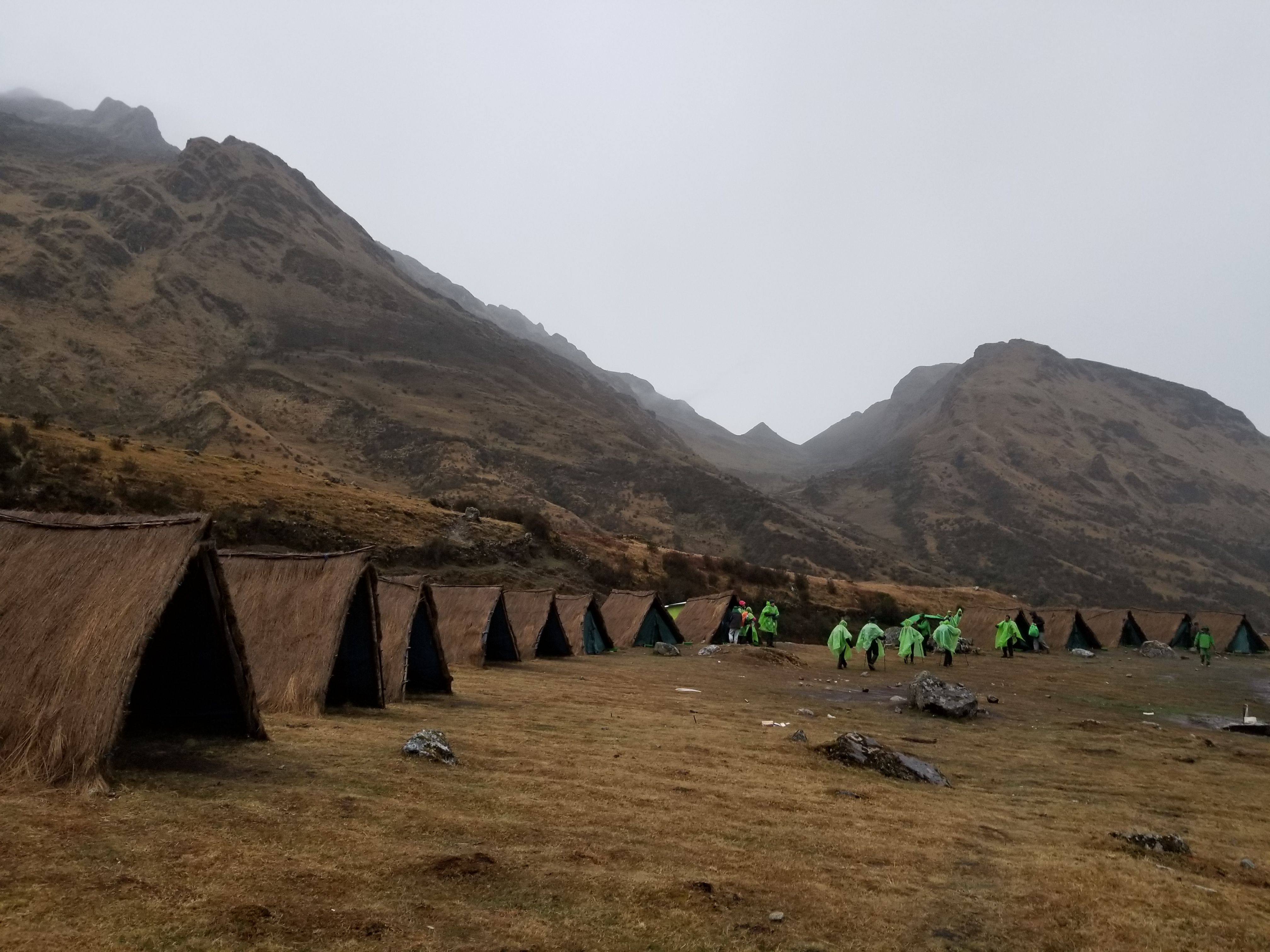
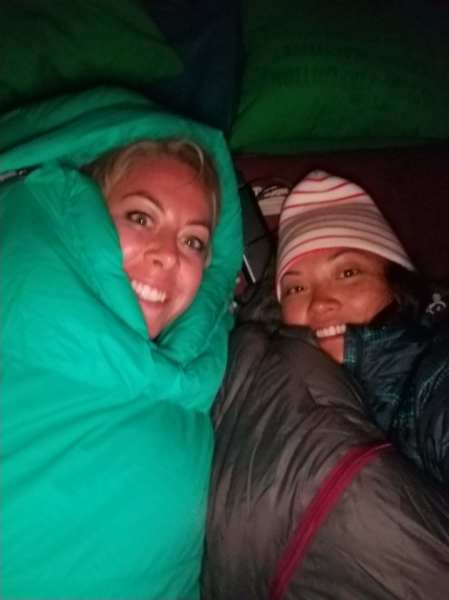
Thankfully, I didn’t have any nausea and was able to power through the rest of the first day. Several didn’t make it out of their tents for supper that night. We learned that several of our cohorts took the altitude meds (Diamox or Acetazolamide) and in comparison to us, they were doing much better. Despite the downpour we still had a lovely tasty supper, a hot meal is always comforting. Followed by what could have been a rather miserable night. It was cold and rained most of the night, but all was made better with a lovely gift of a hot water bottle delivery by our outfitters. This made our sleeping bags quite toasty and the night much more comfortable.
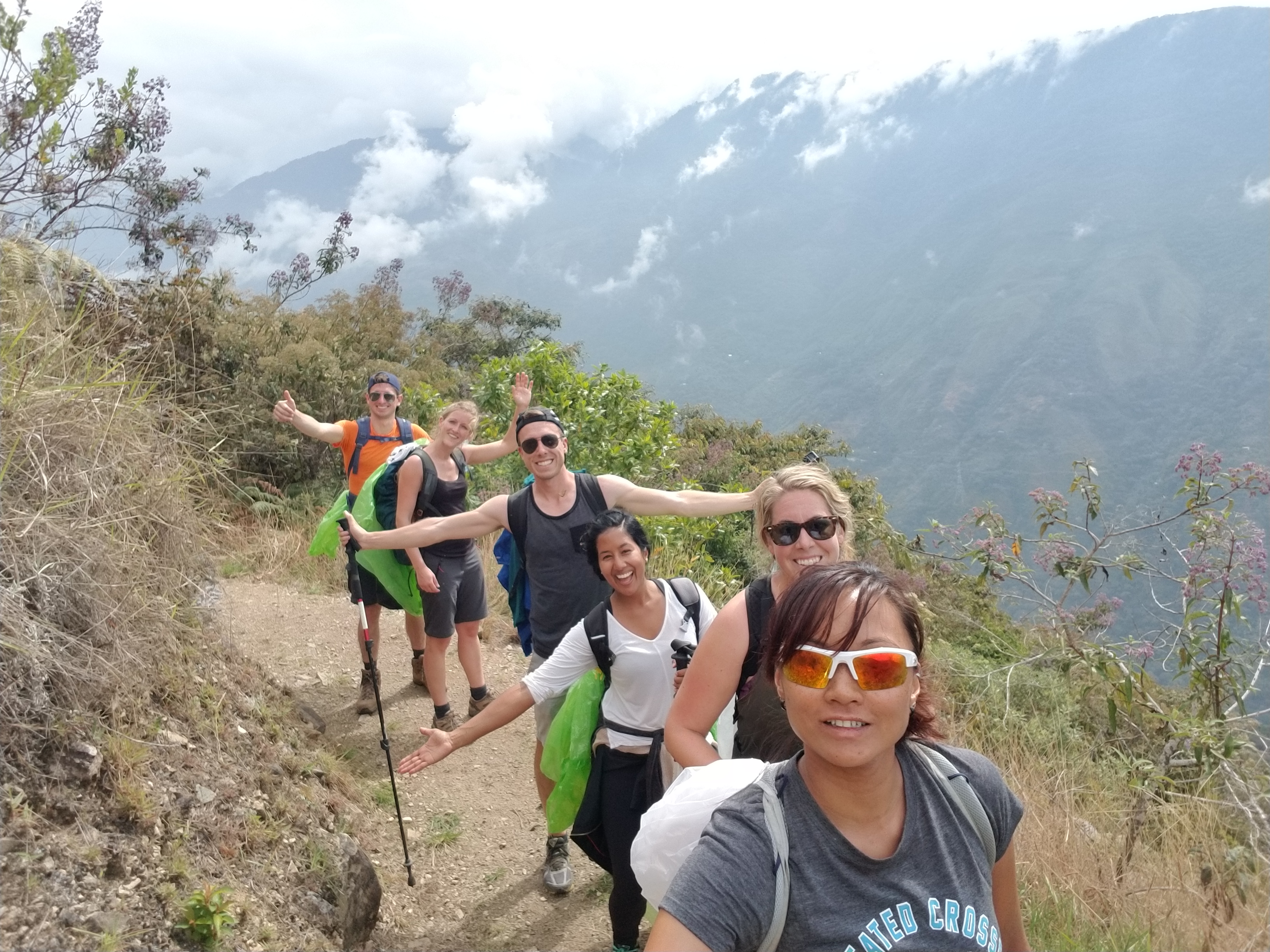
Day 2 (18km = 11.2 miles) – The LONGEST DAY of hiking. A rain filled night brought about a crystal clear morning. The mountain vistas that surrounded our campsite were completely breath-taking.
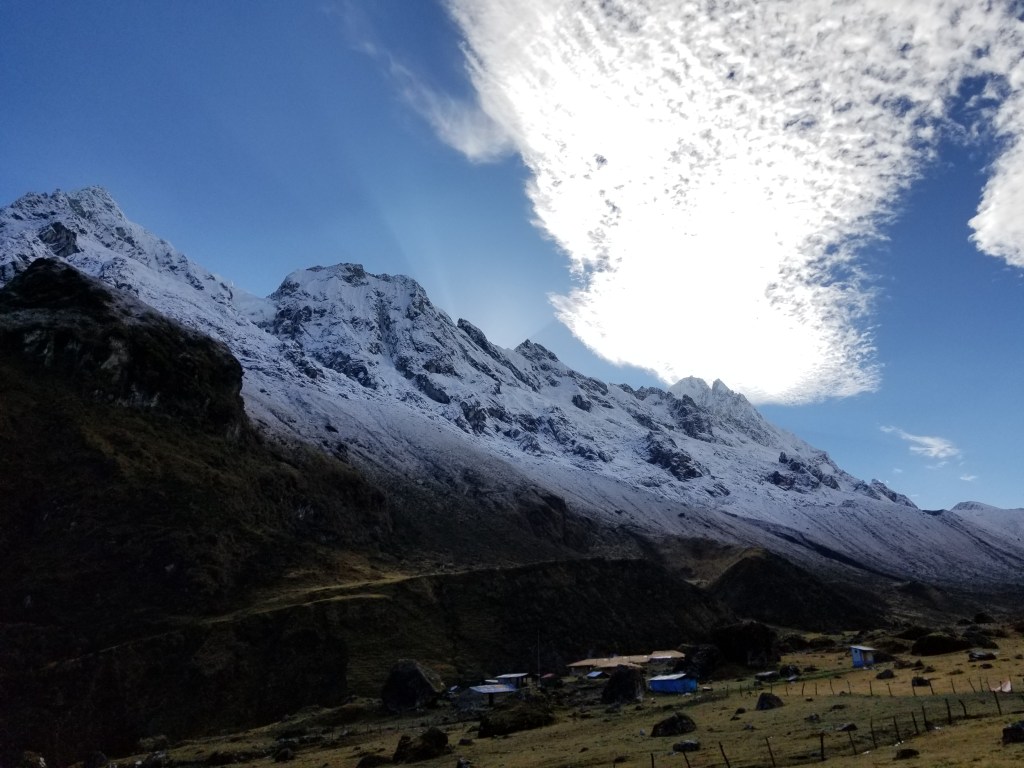
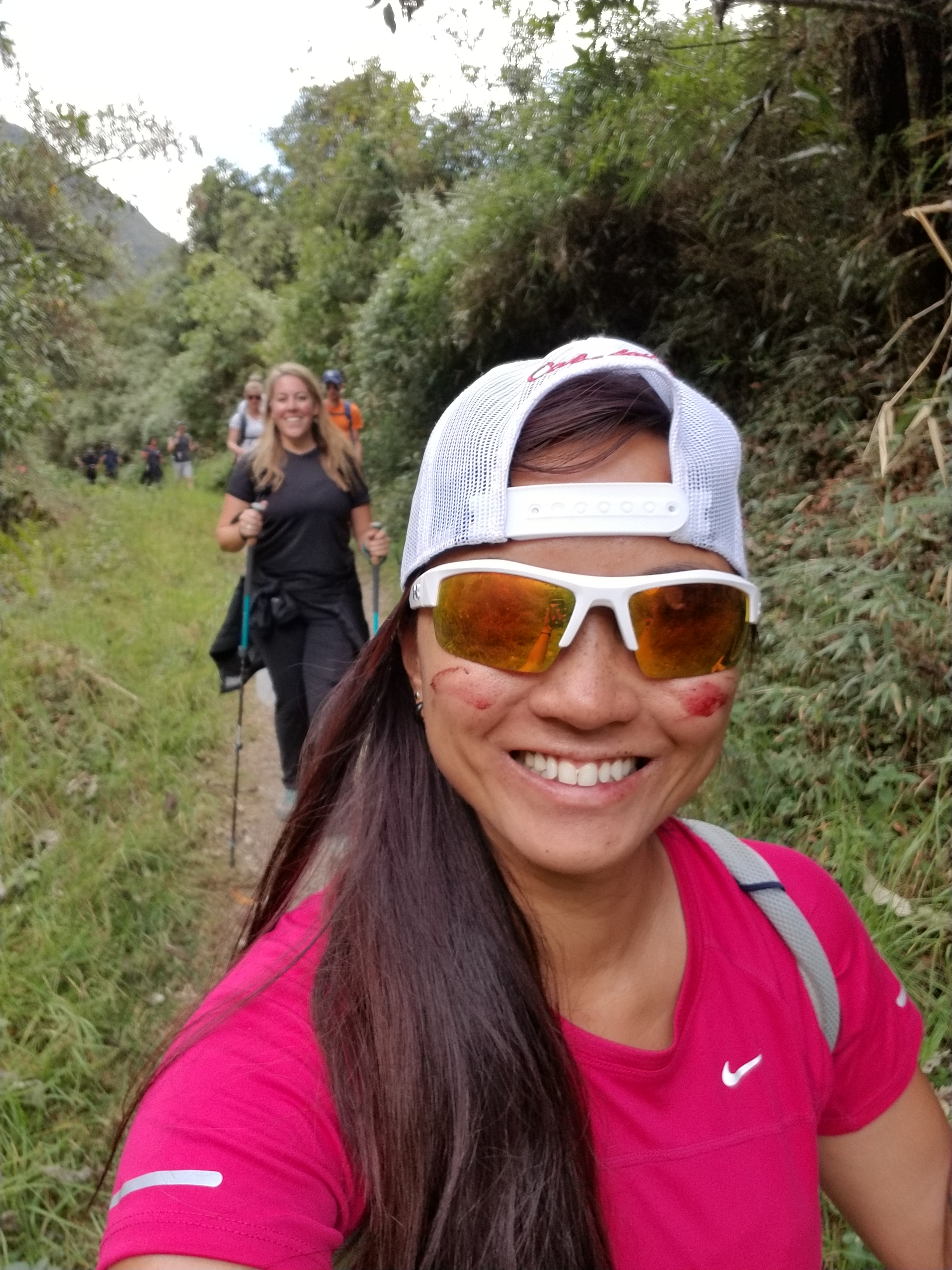
Hiking was strenuous, but much easier in comparison to the first day. The lack of altitude sickness definitely helped. My knees ached a bit from the first day, so I am super thankful I had brought hiking poles. Most of the hike was downhill and increasingly warmer in temperature.
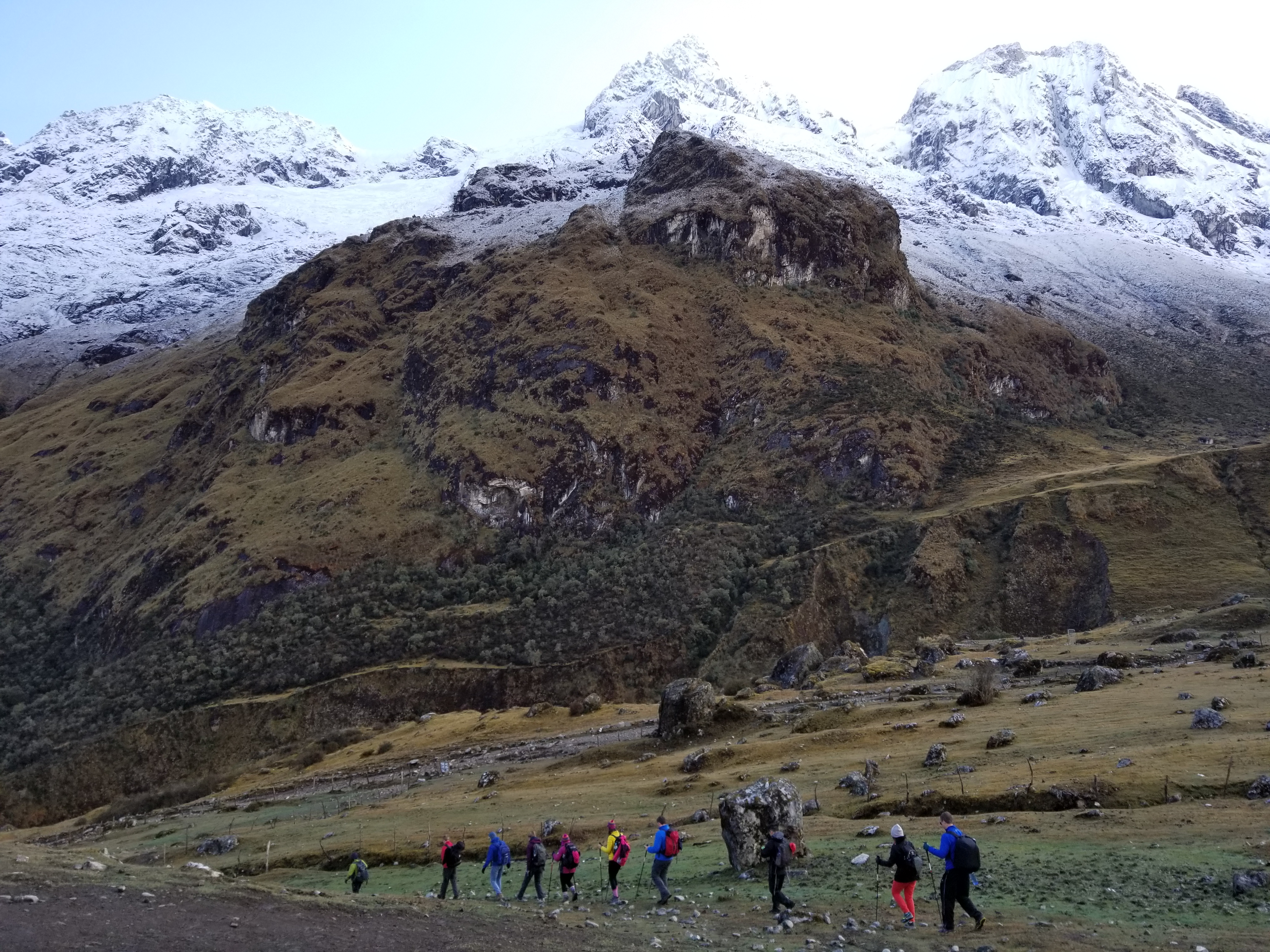
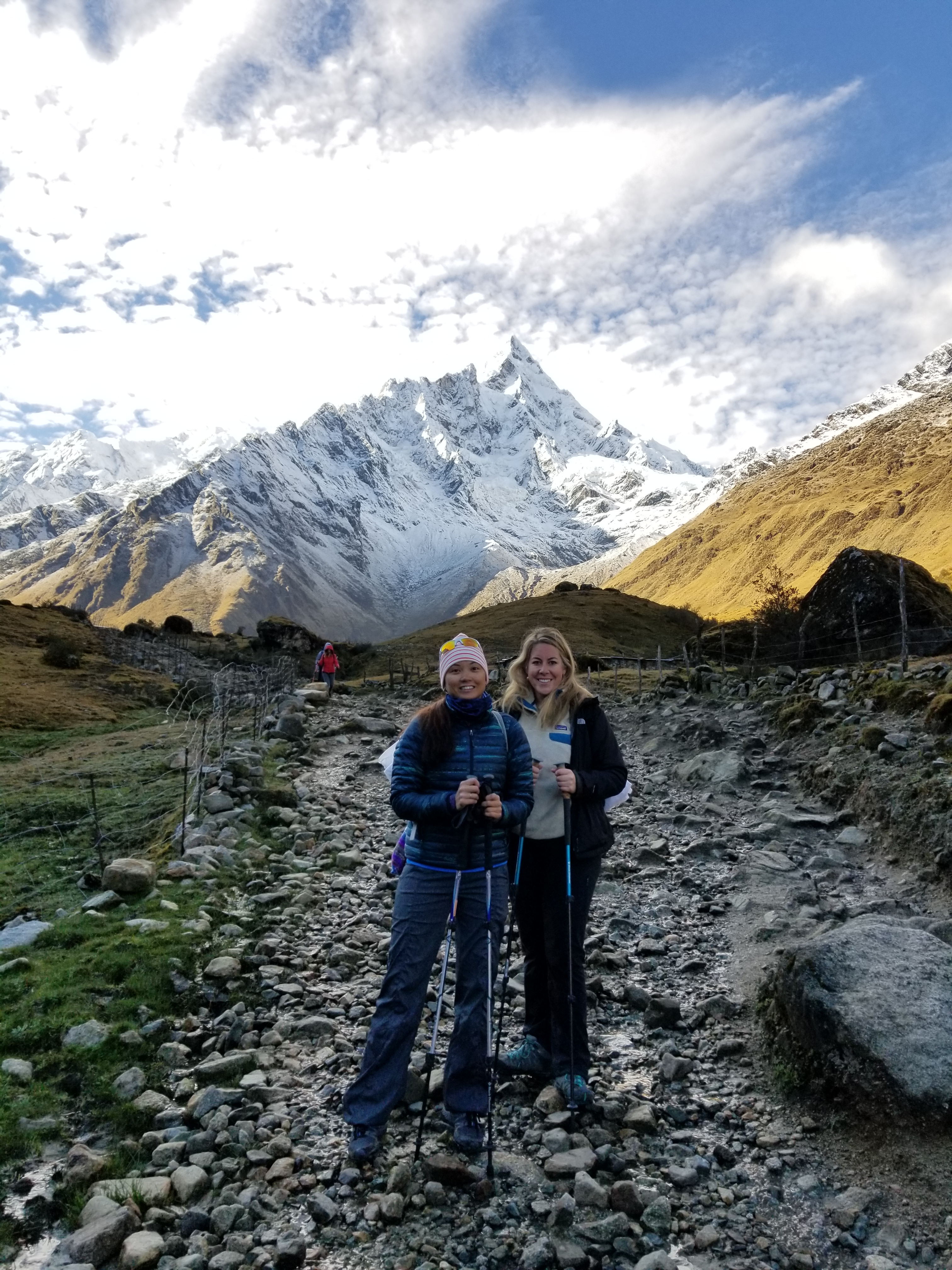
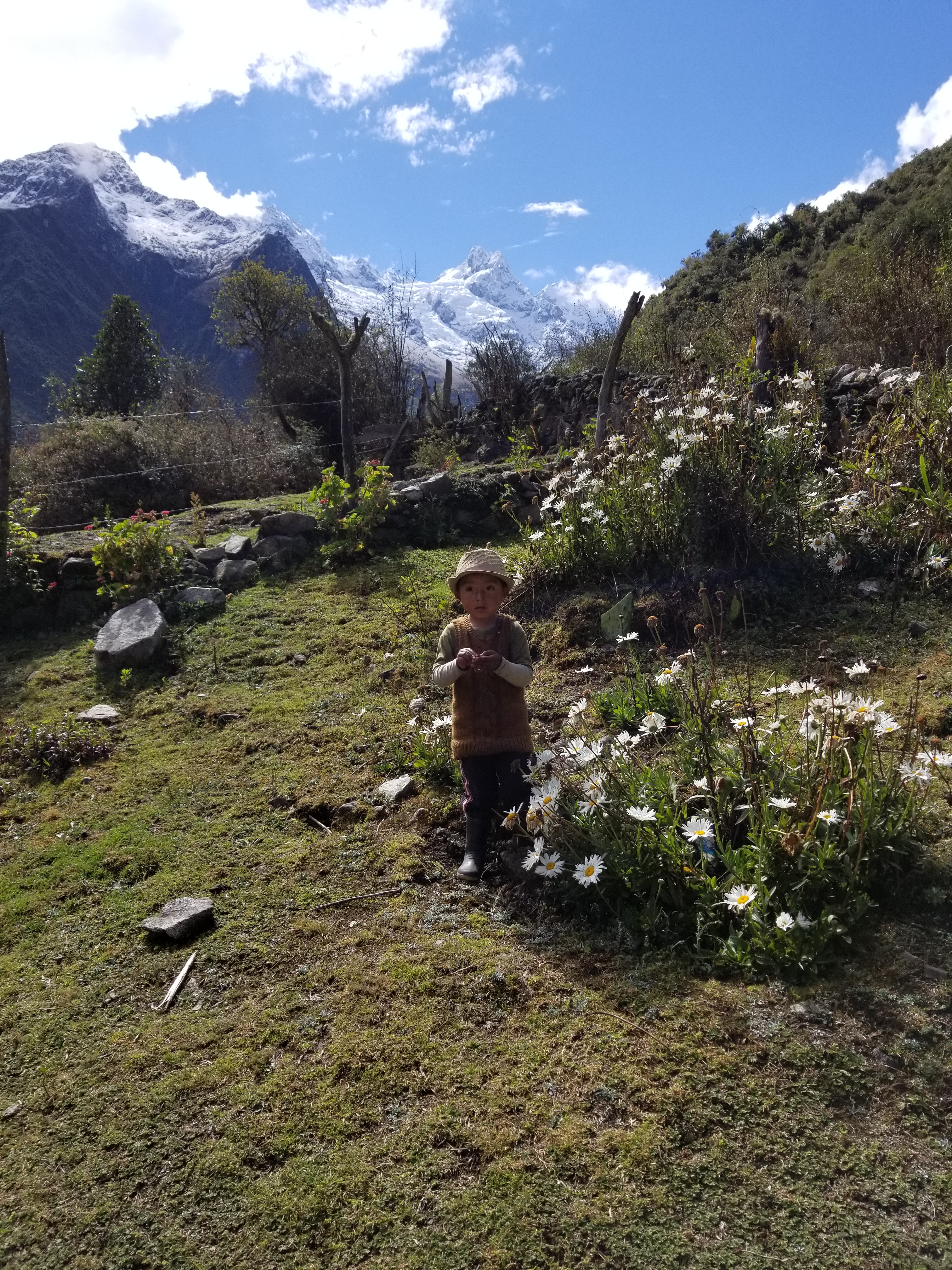
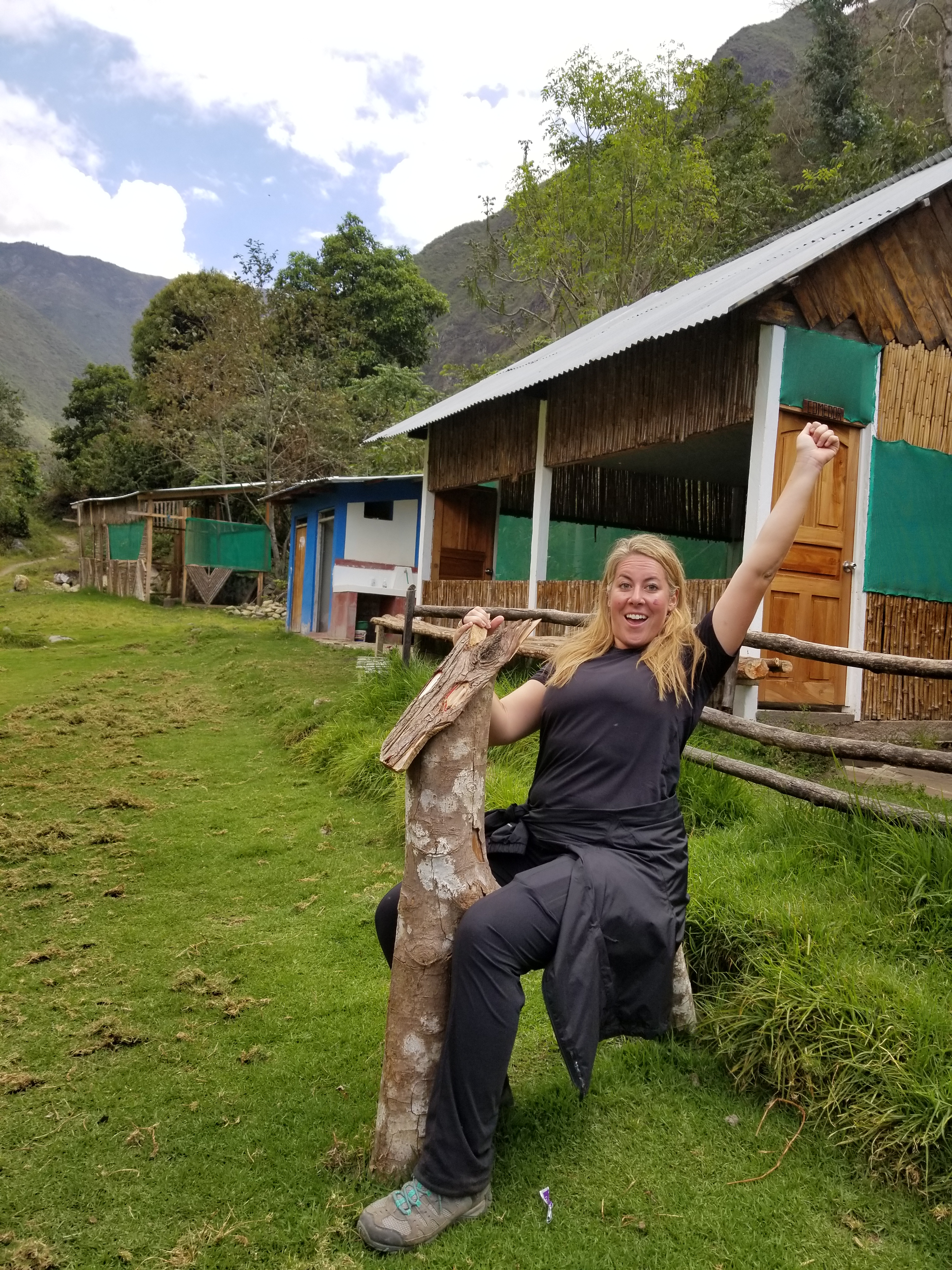
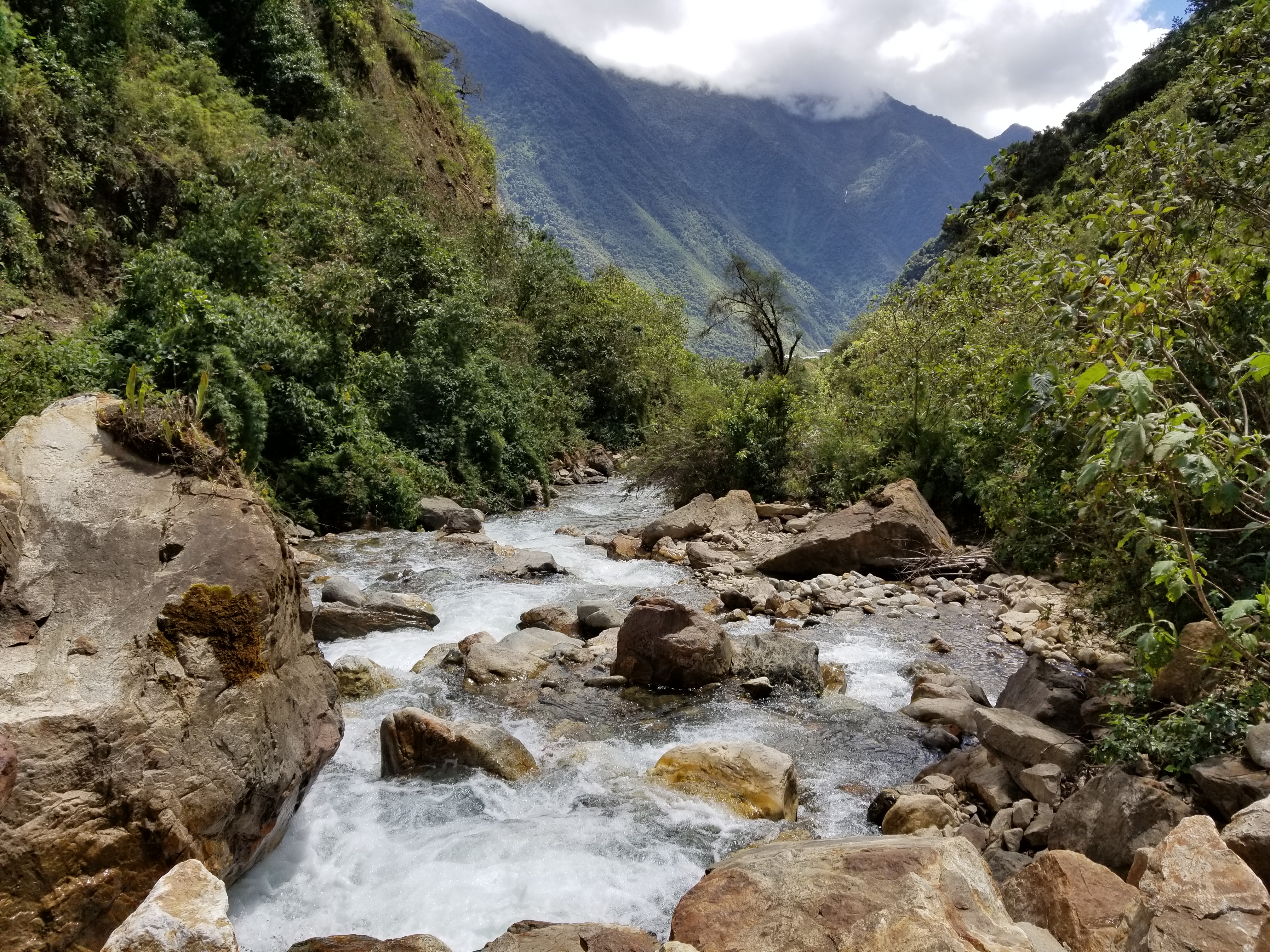
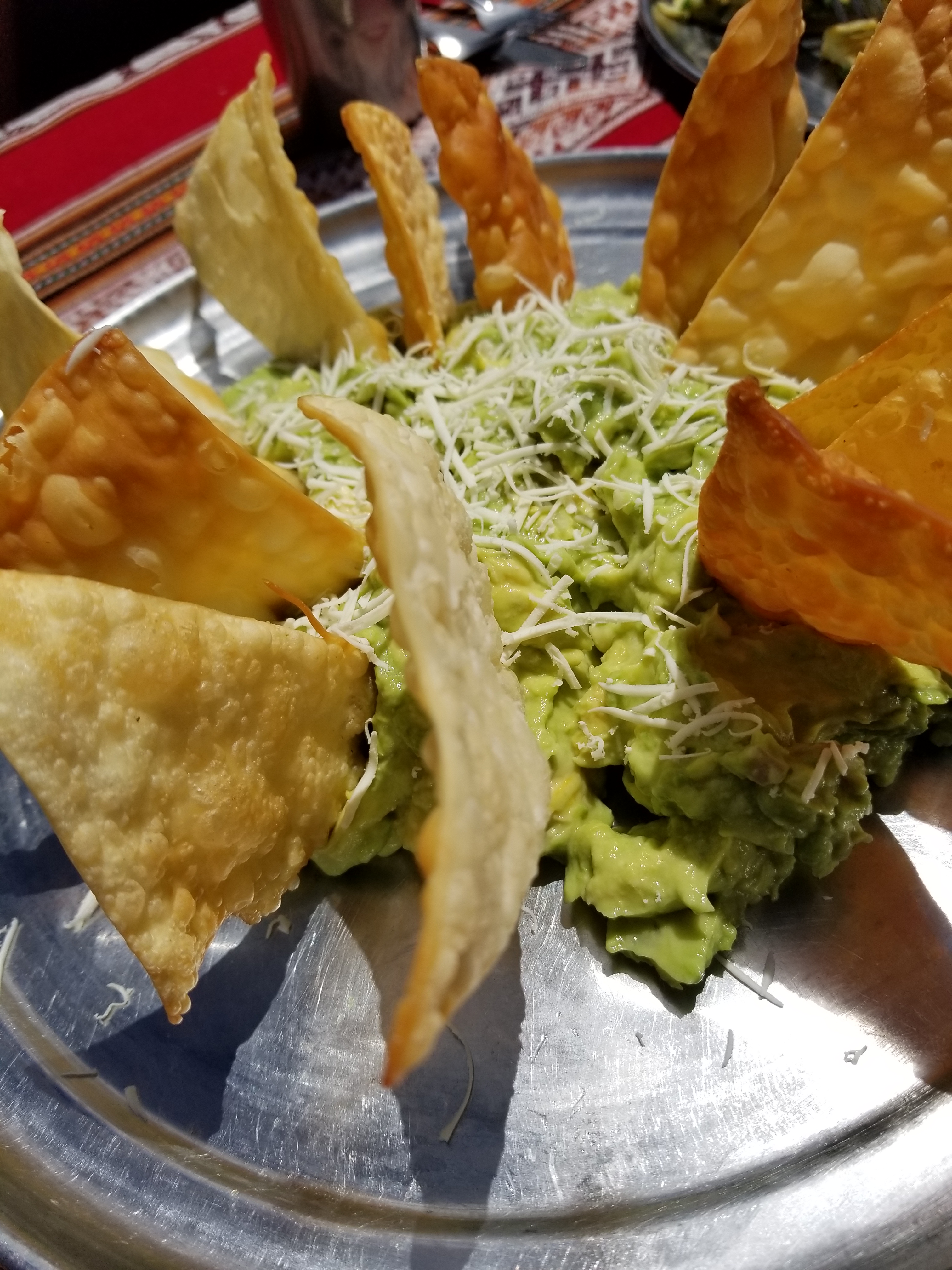
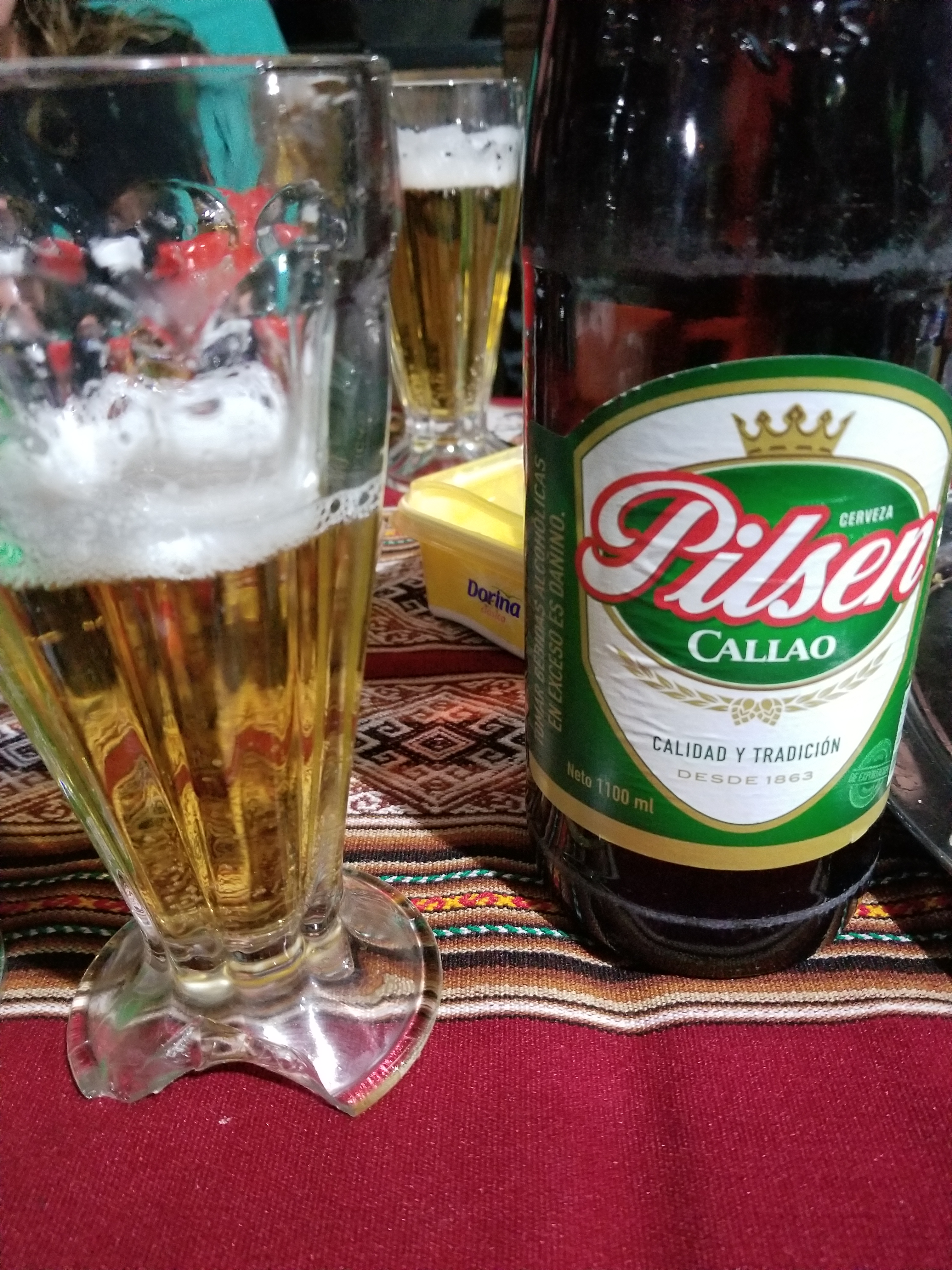
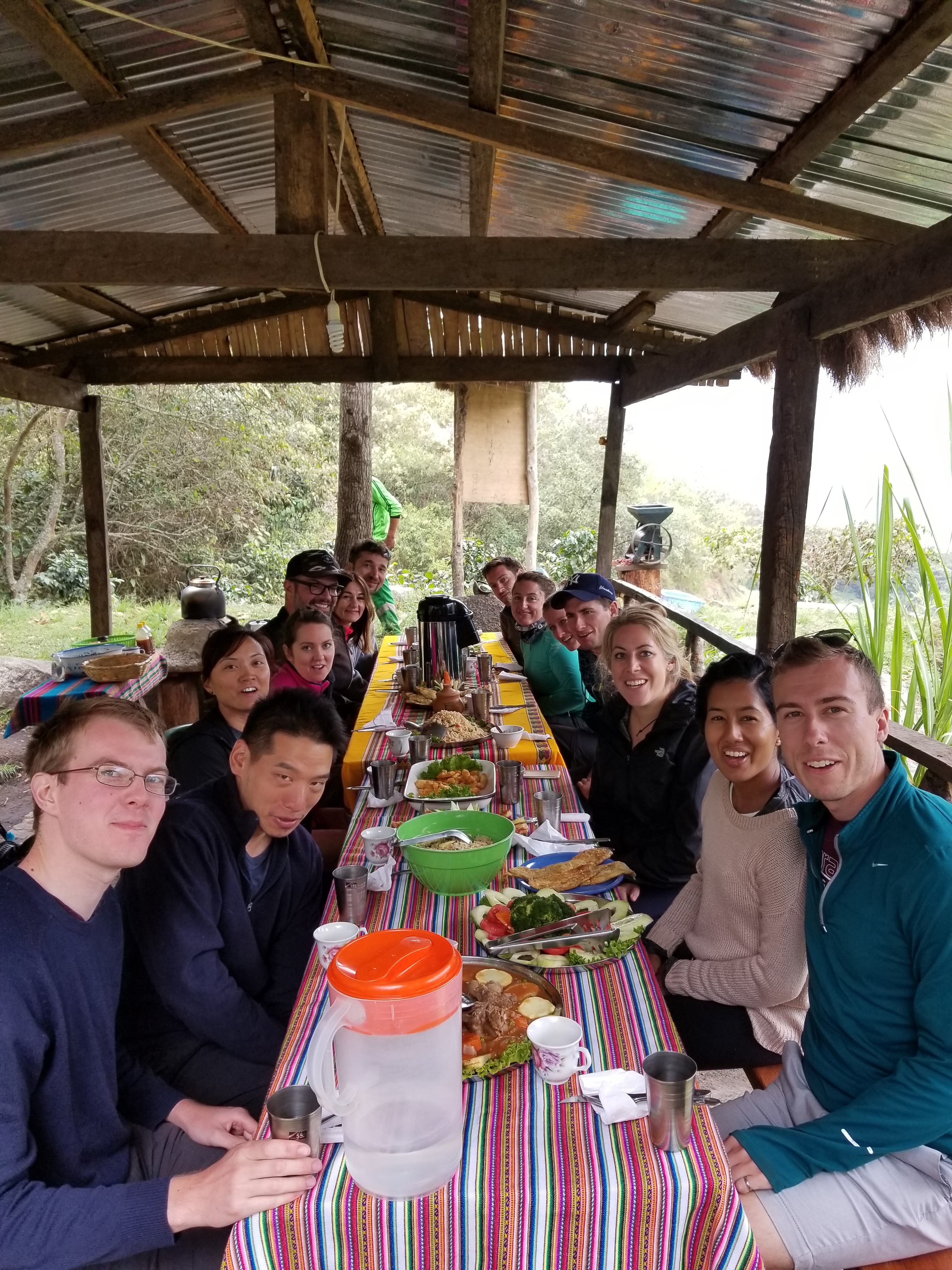
After lunch, we continued the warm trek down to our campsite for the night. One of the perks of using Alpaca Expeditions was the use of their exclusive camp sites. This was a site with working showers and toilets, as well as a large common room where we had another lovely dinner topped off with an even lovelier local Pilsner. No better way to end a good day of hiking, than with a cold beer.
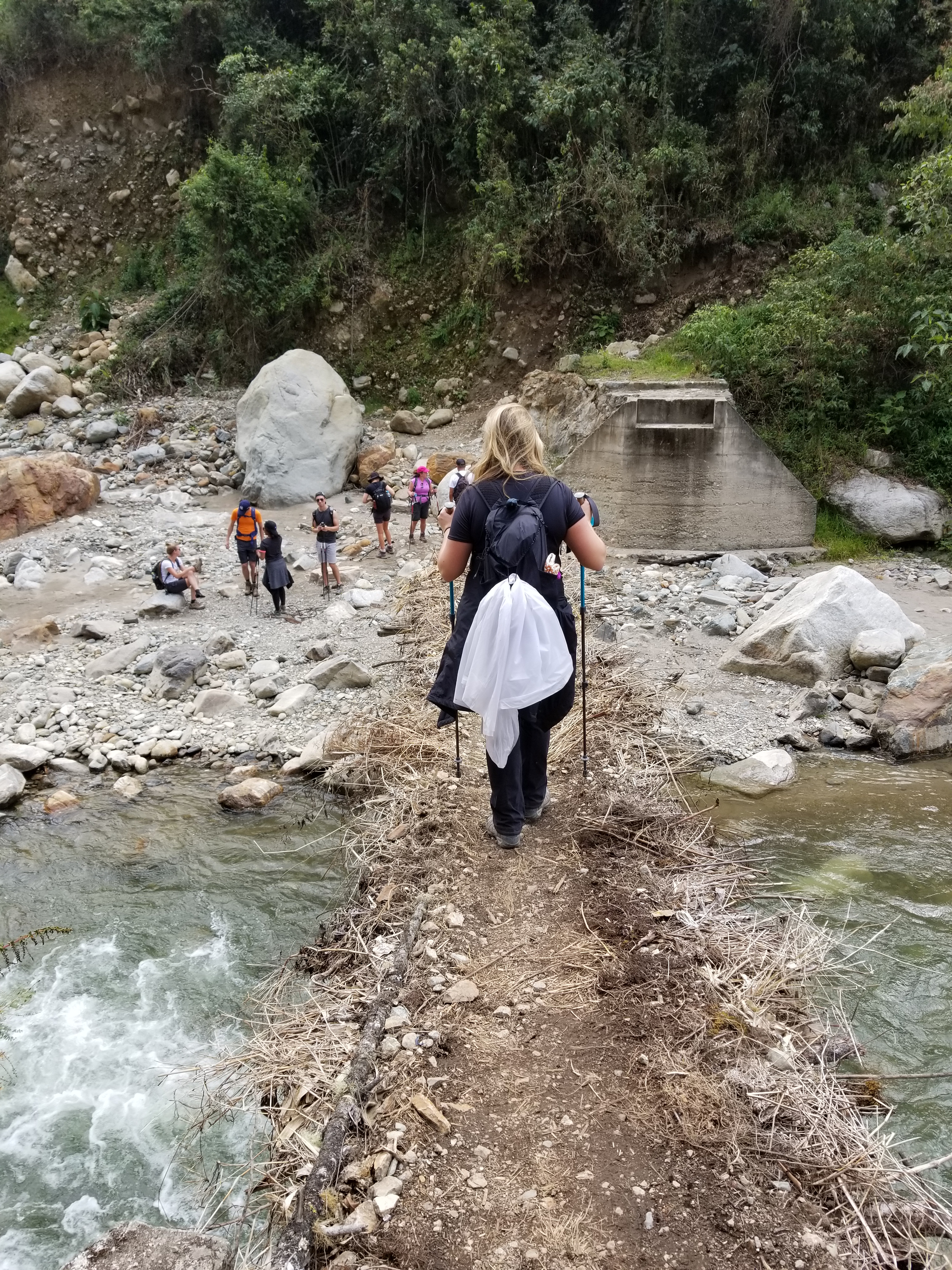
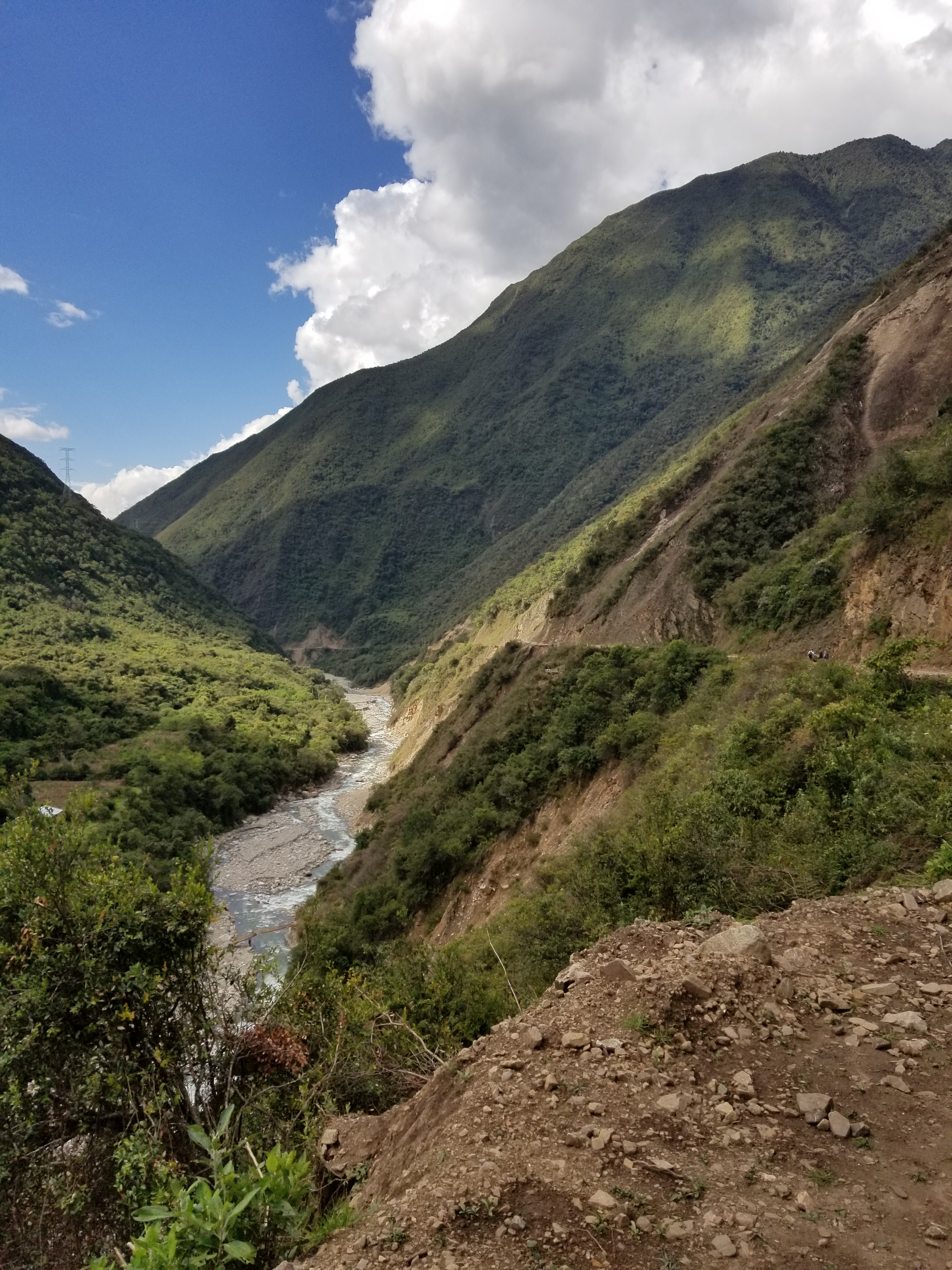
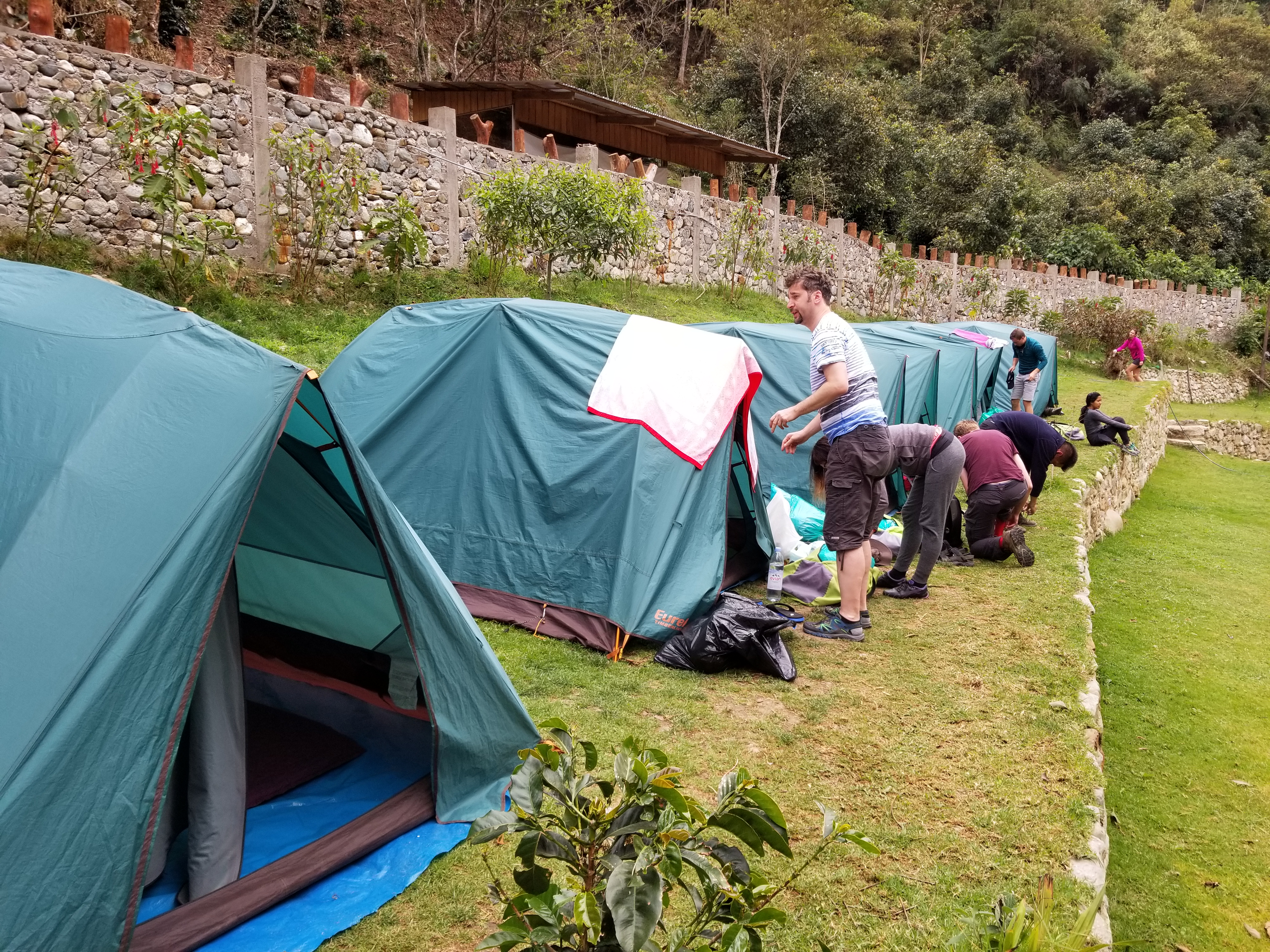
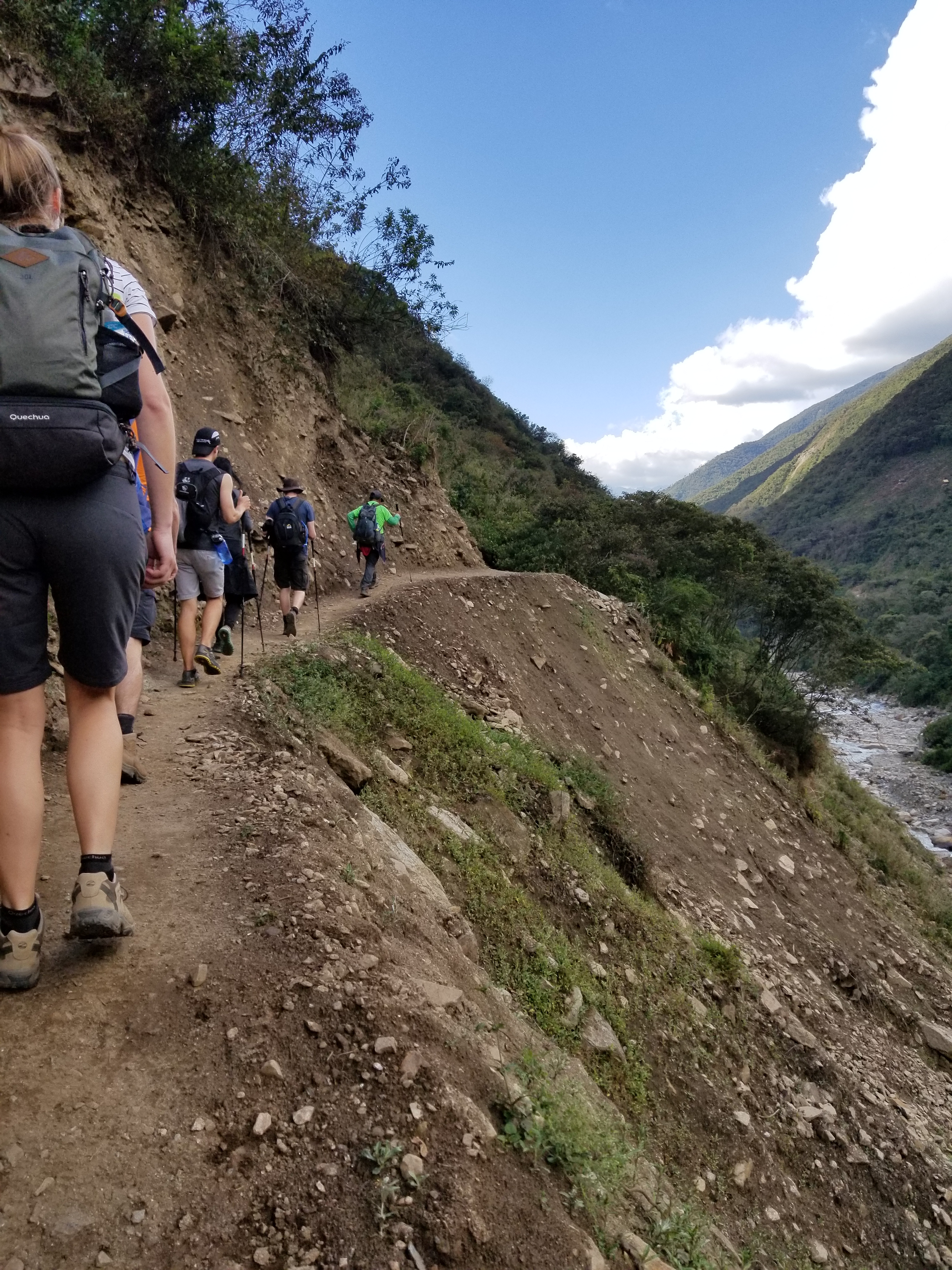
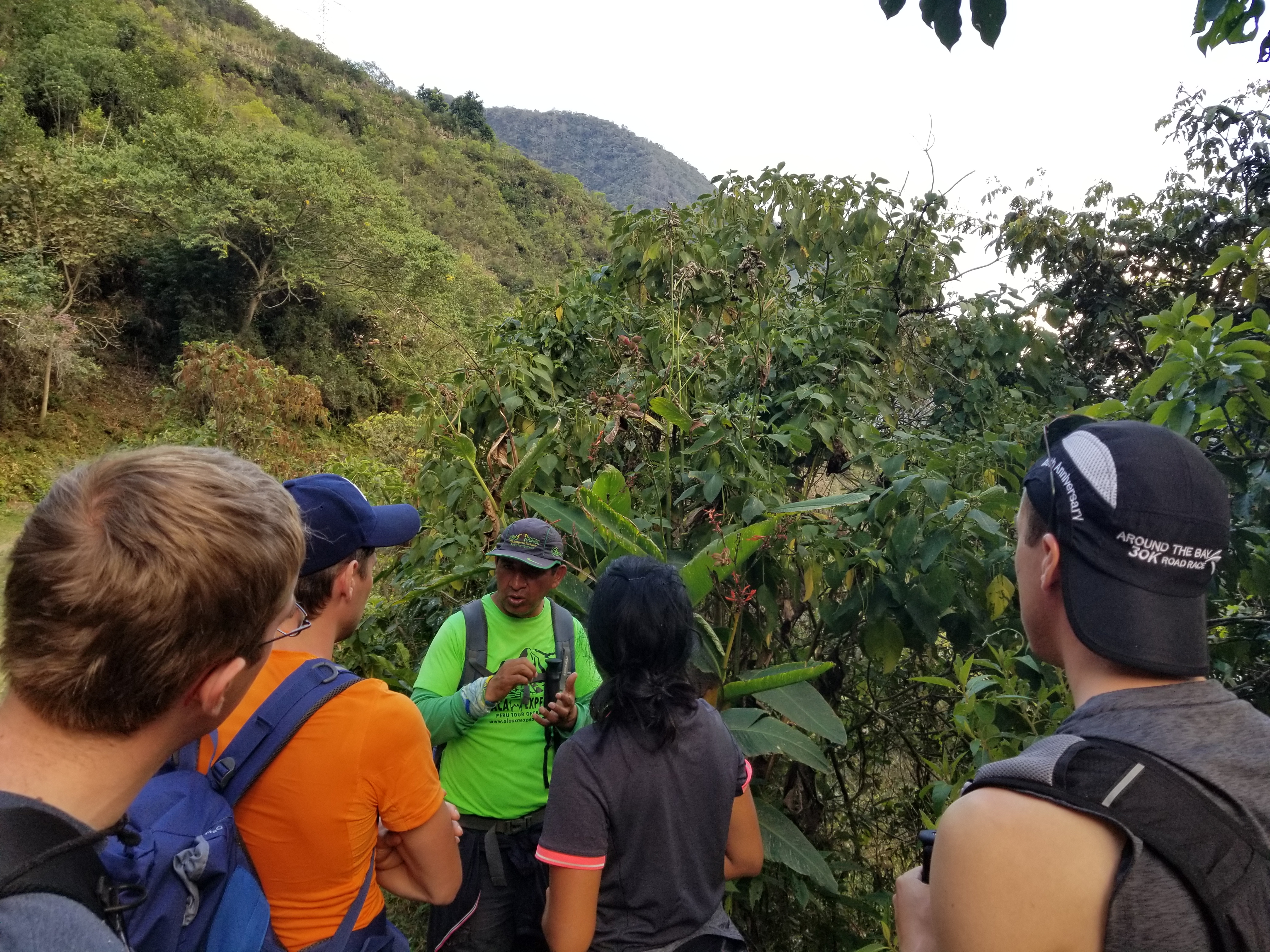
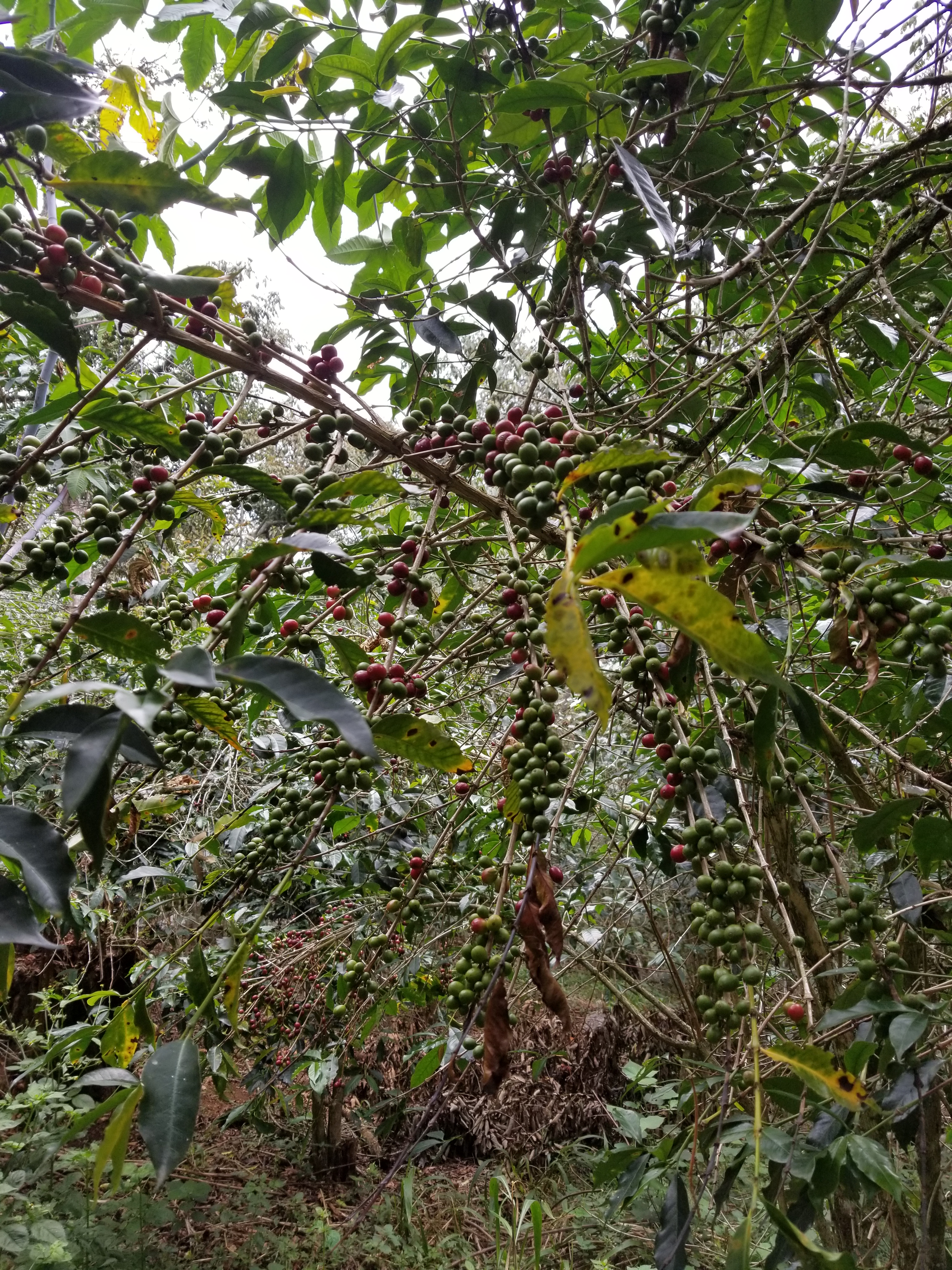
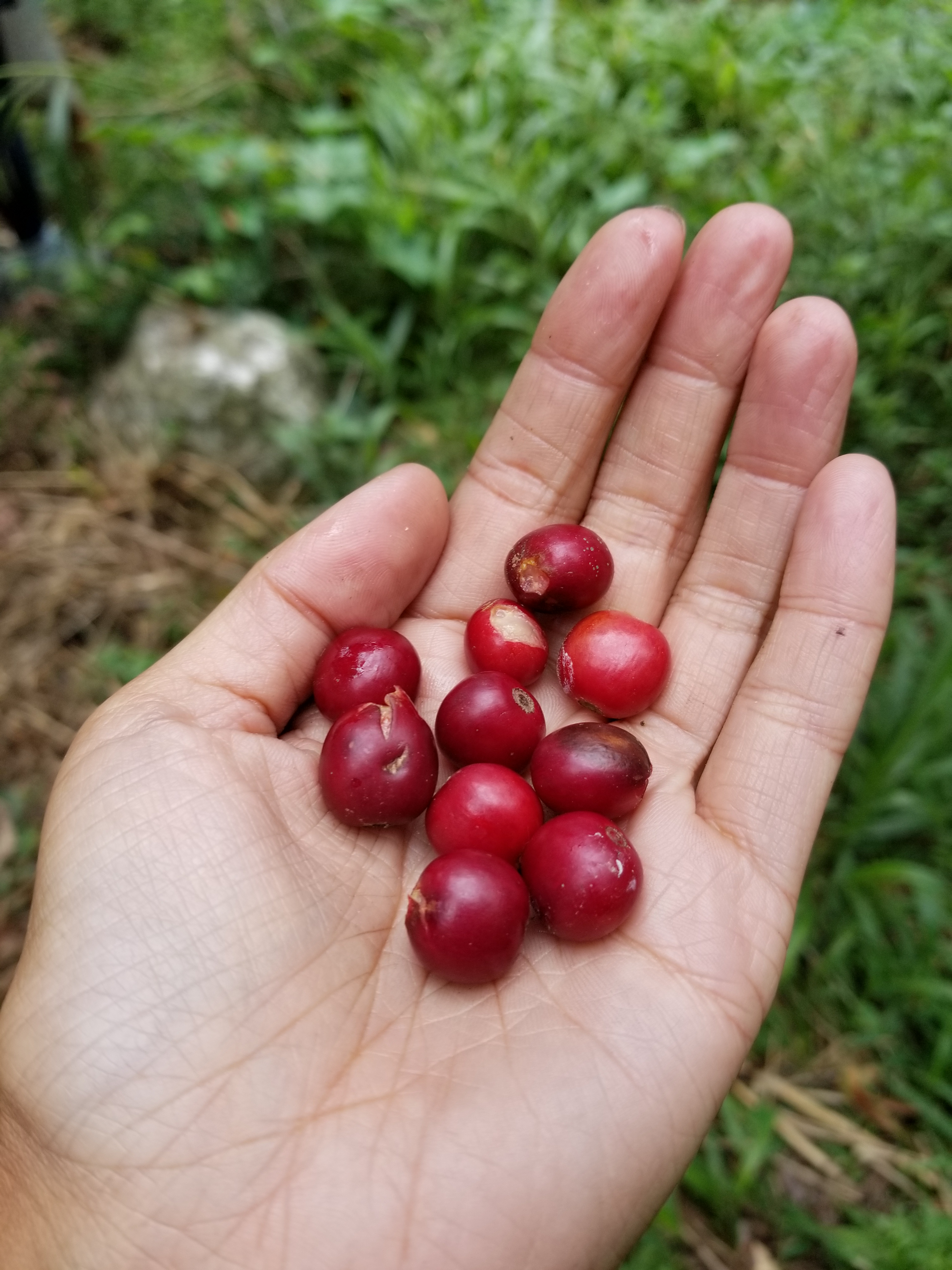
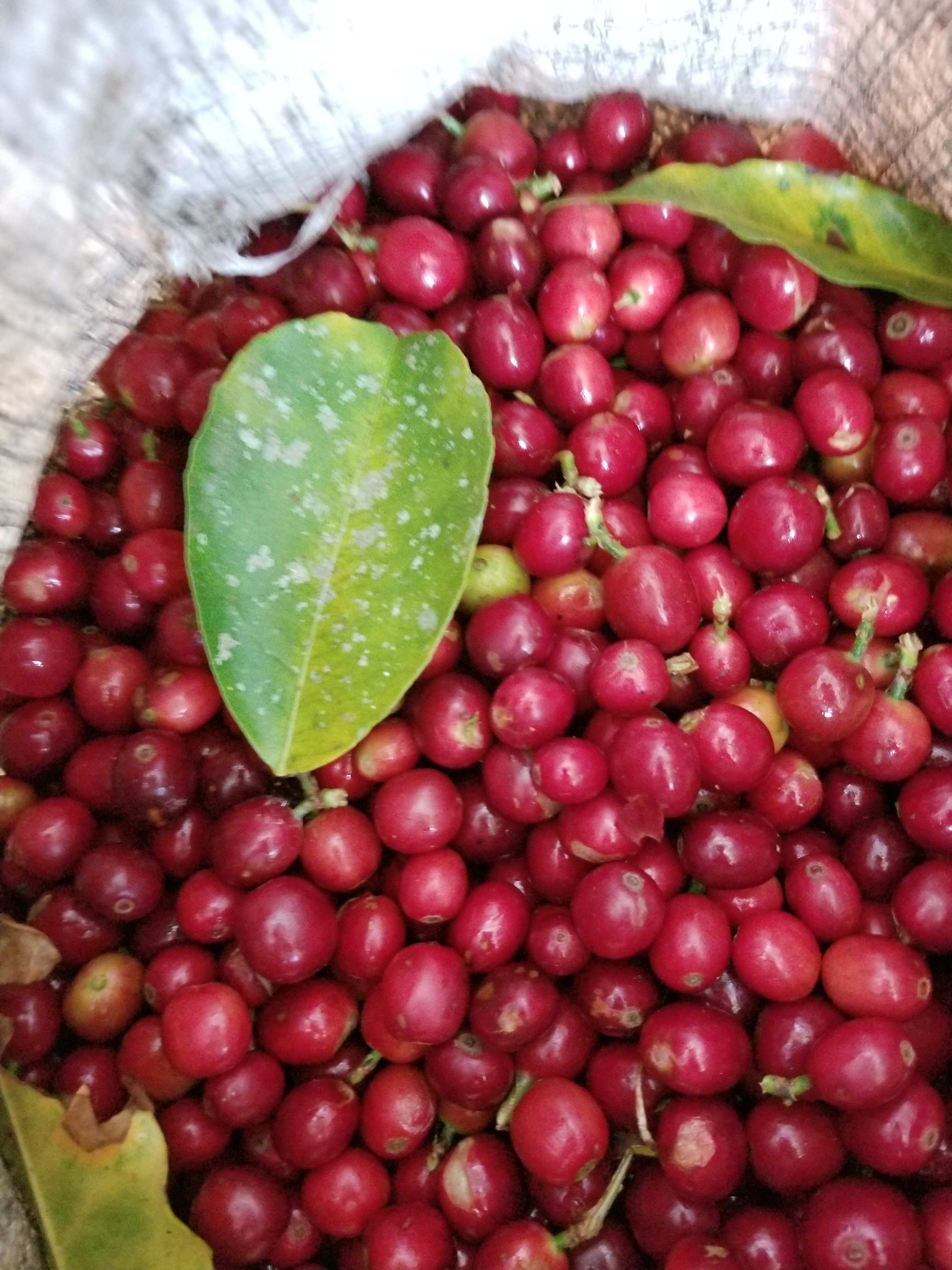
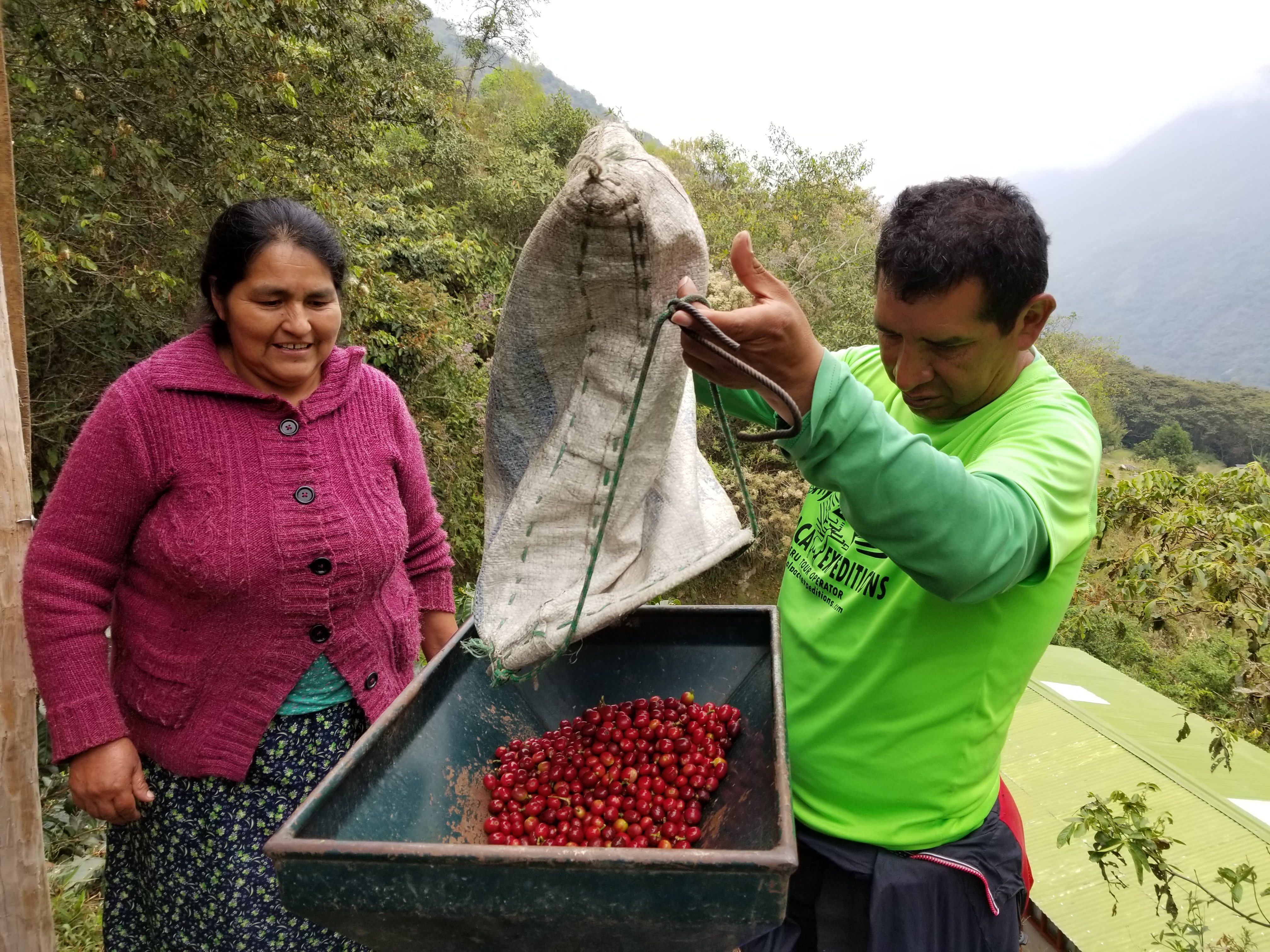
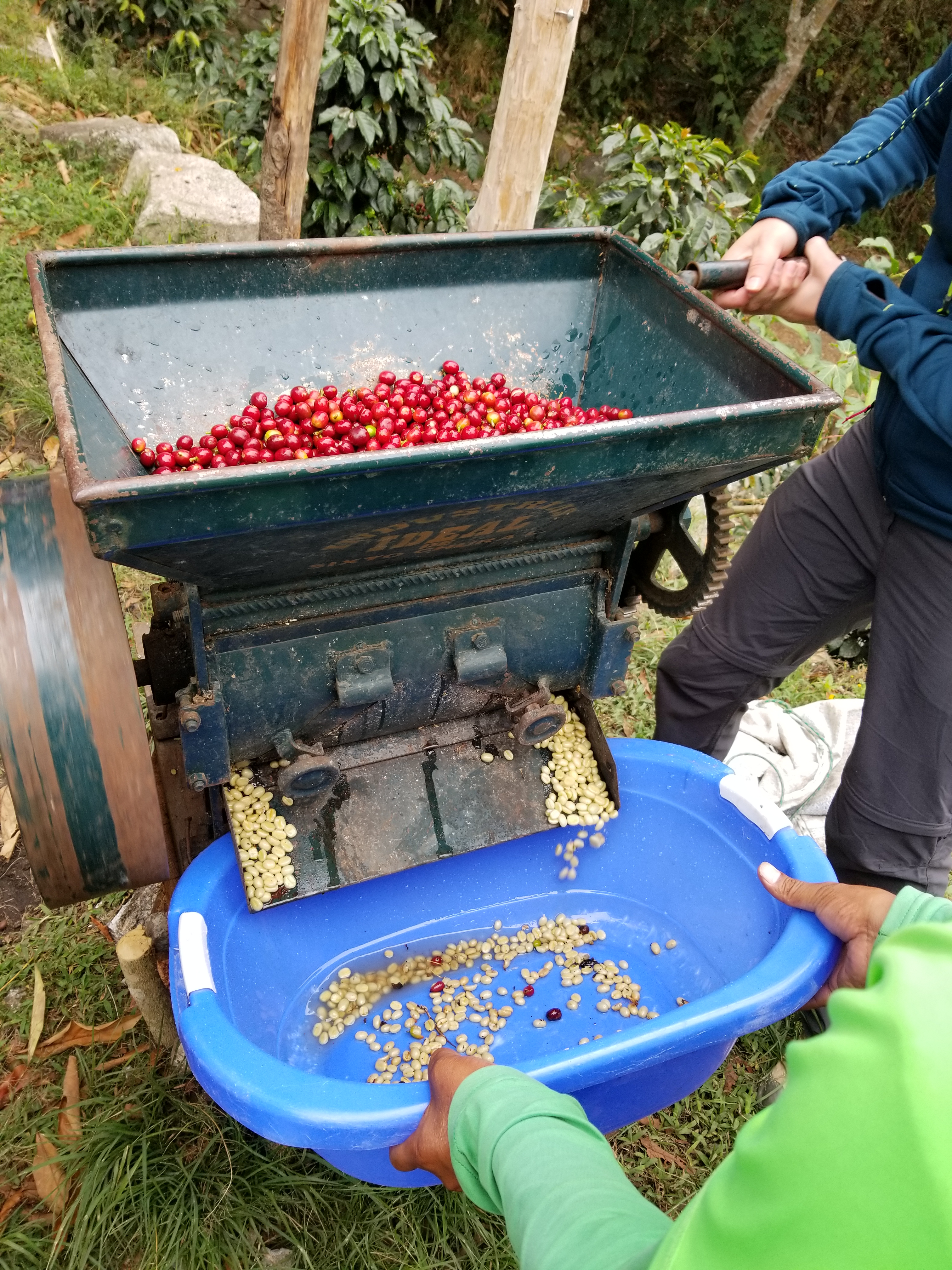
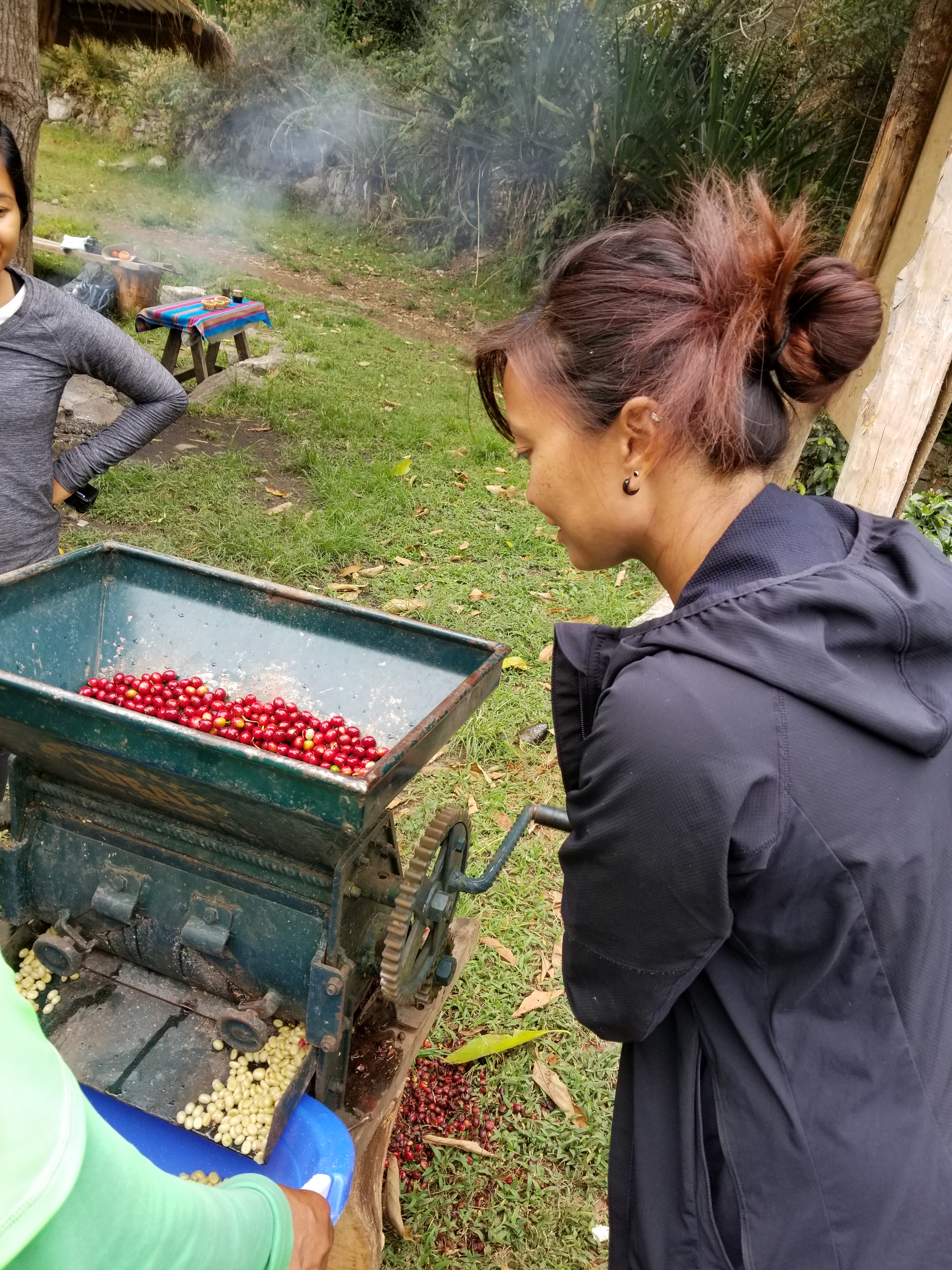
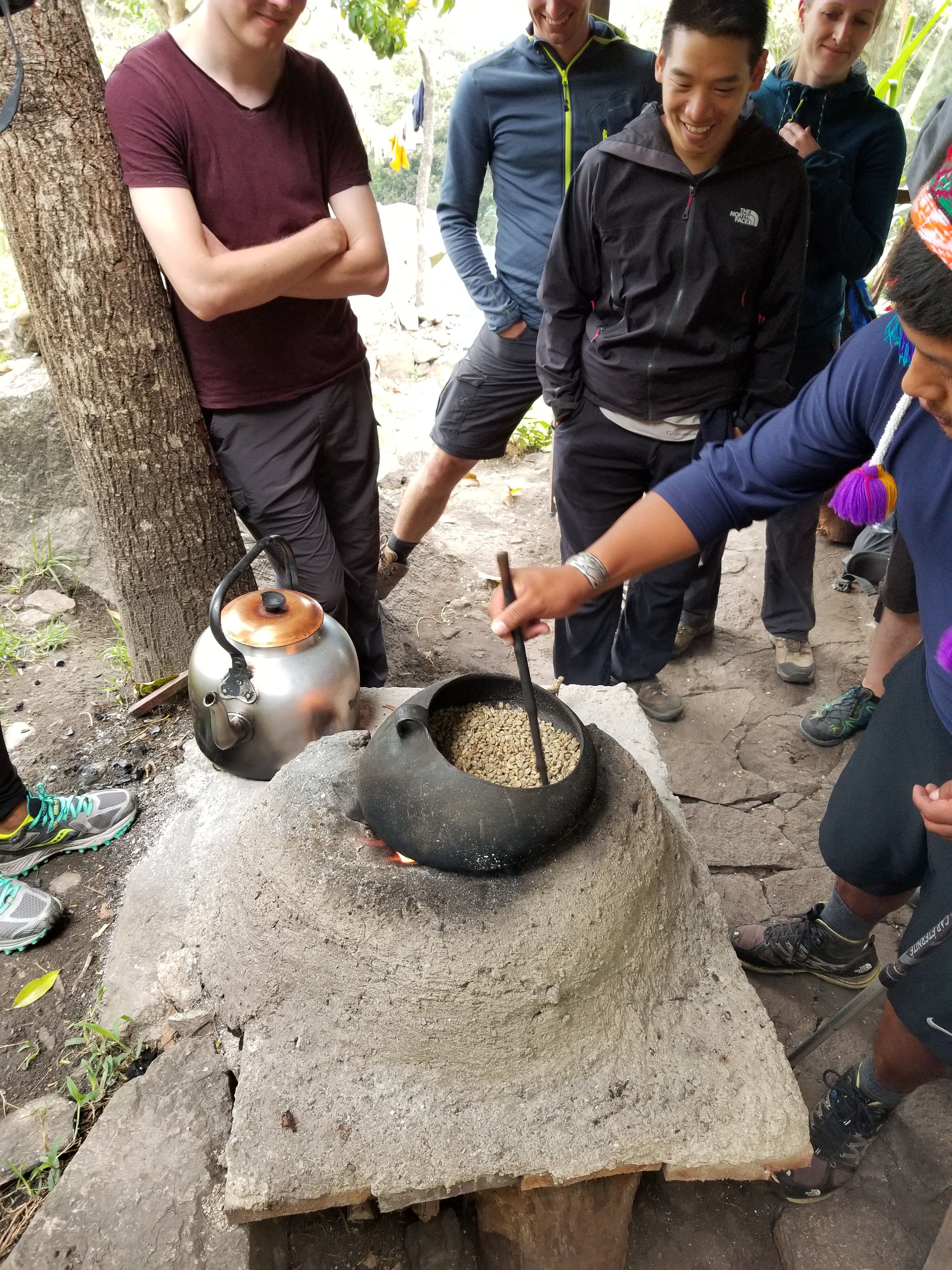
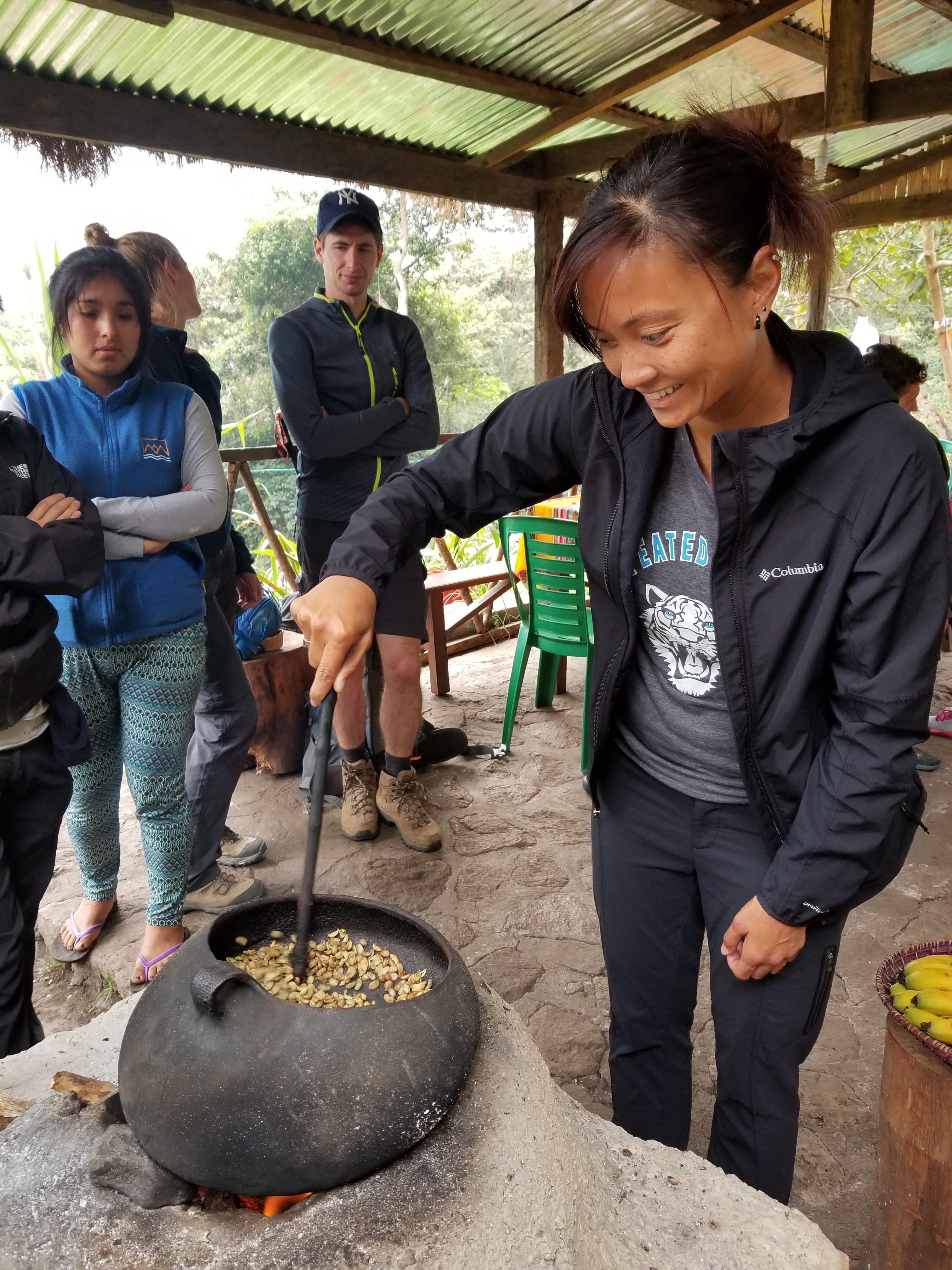
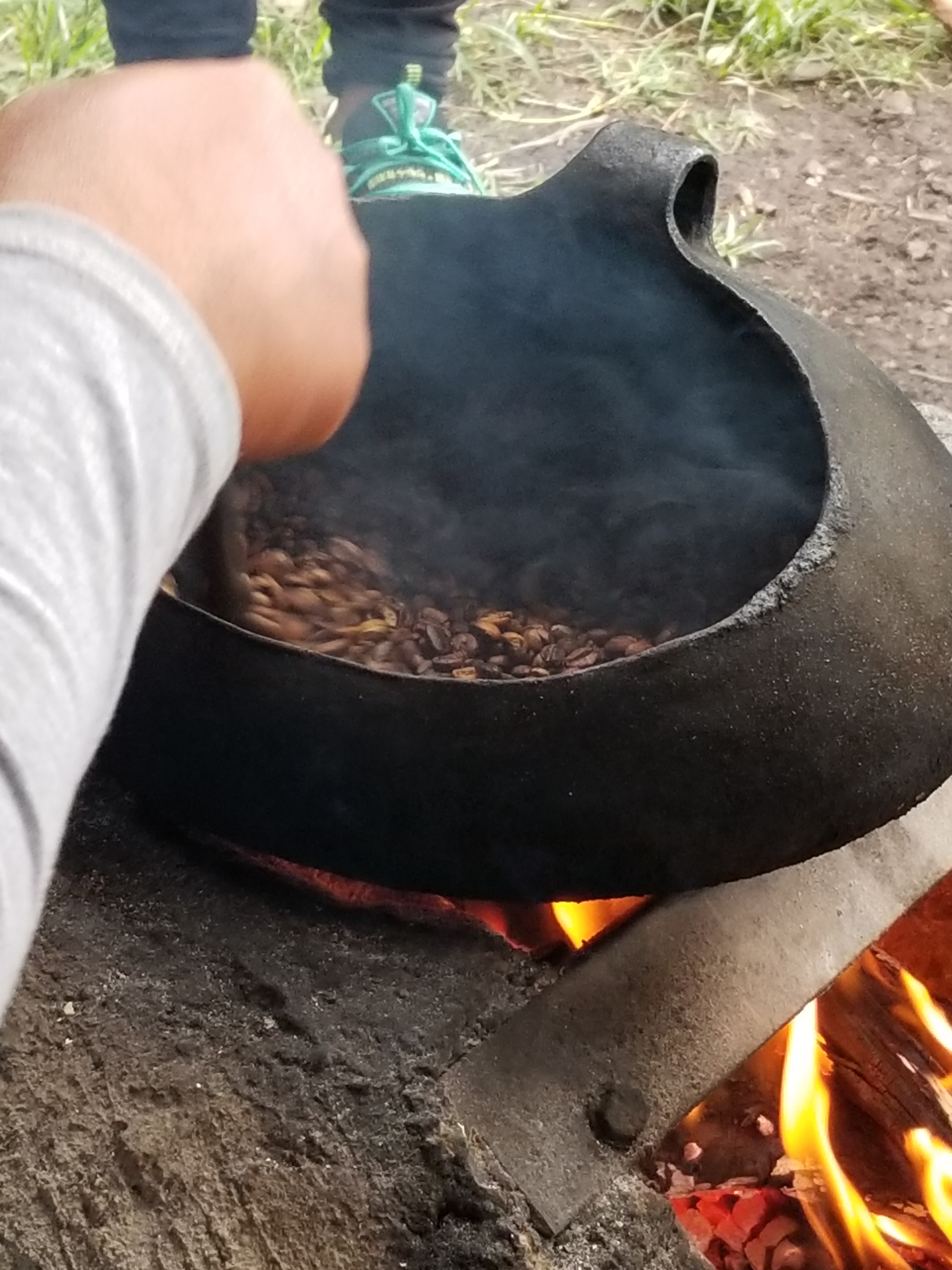
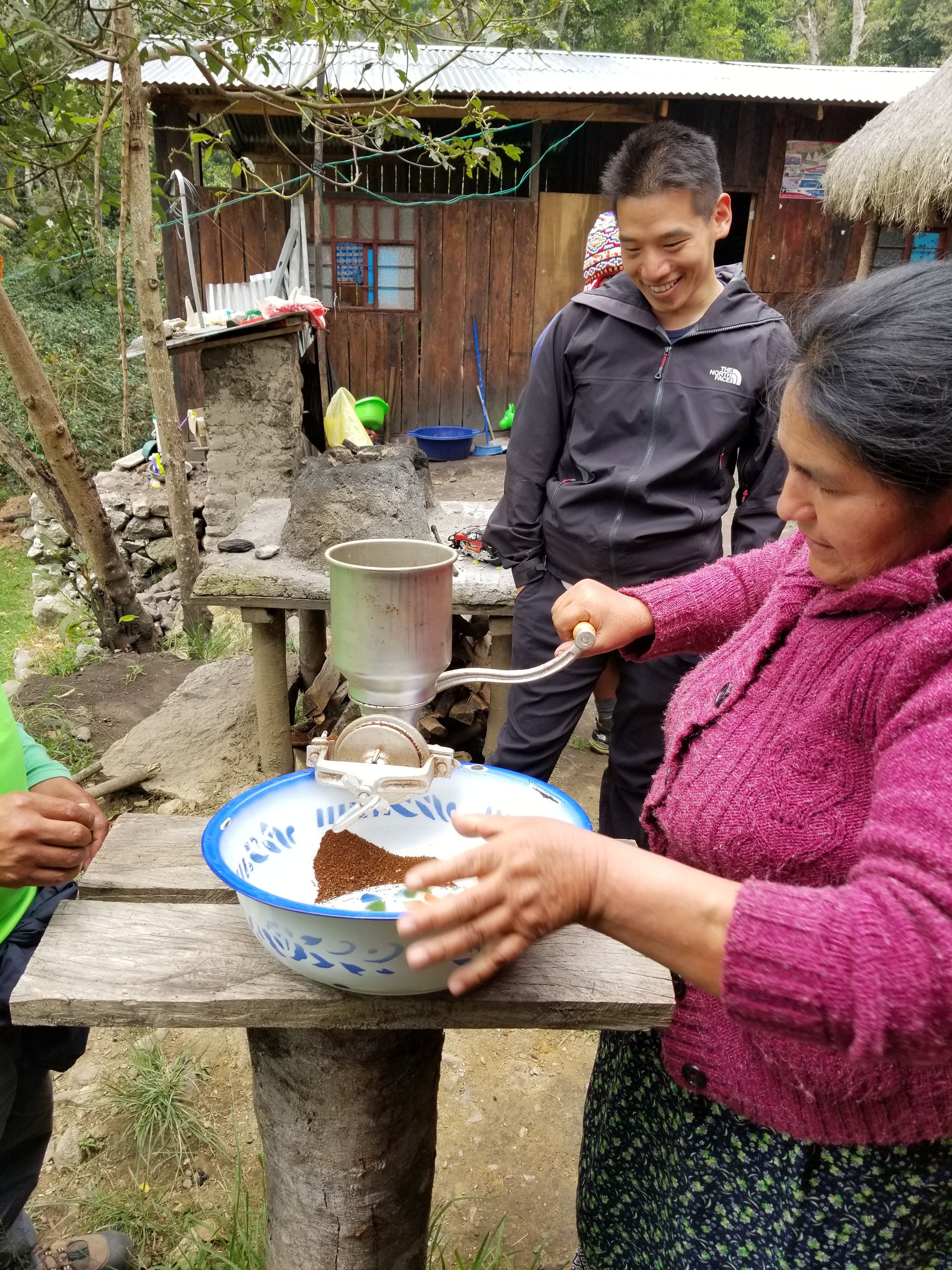
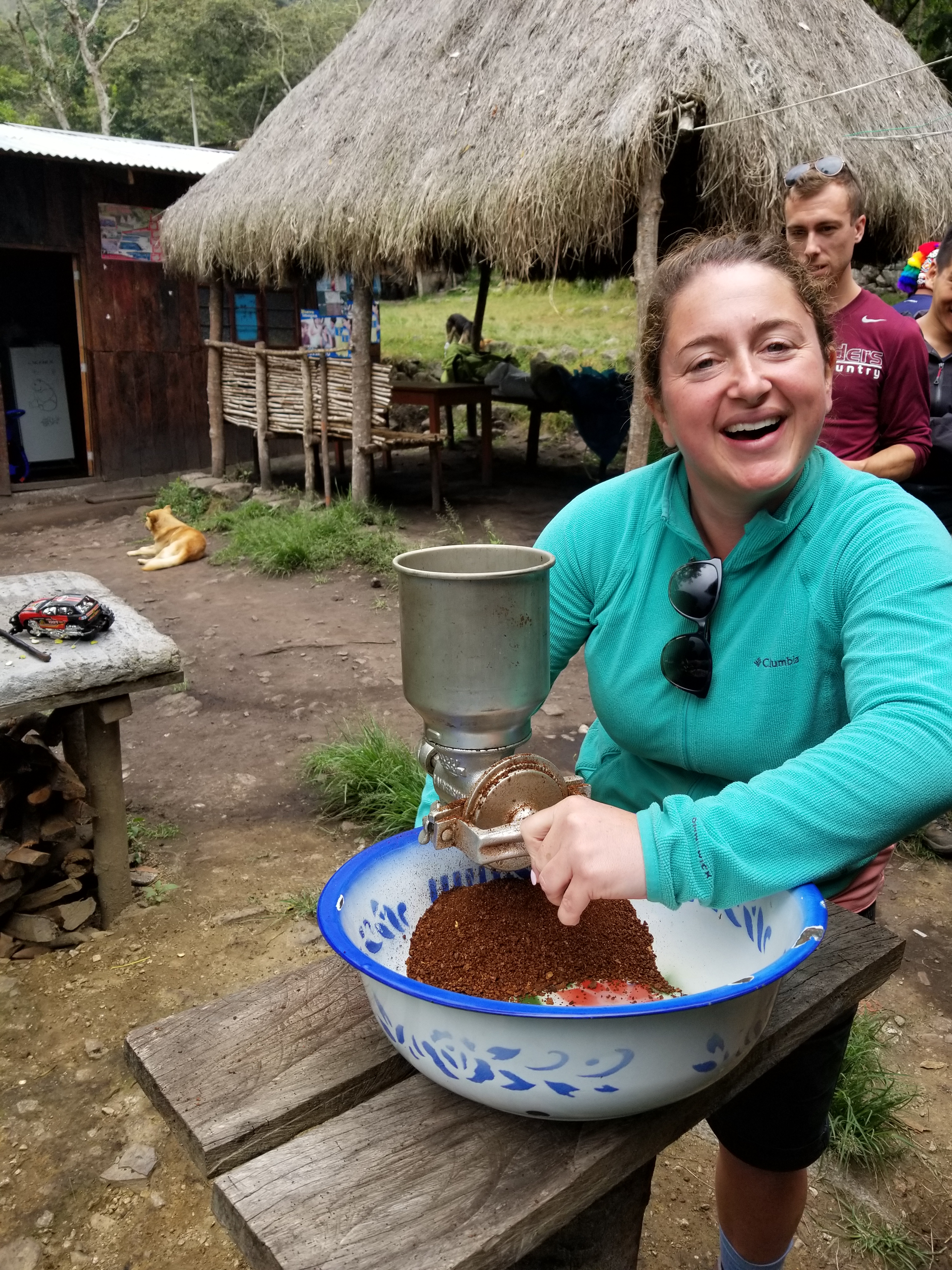
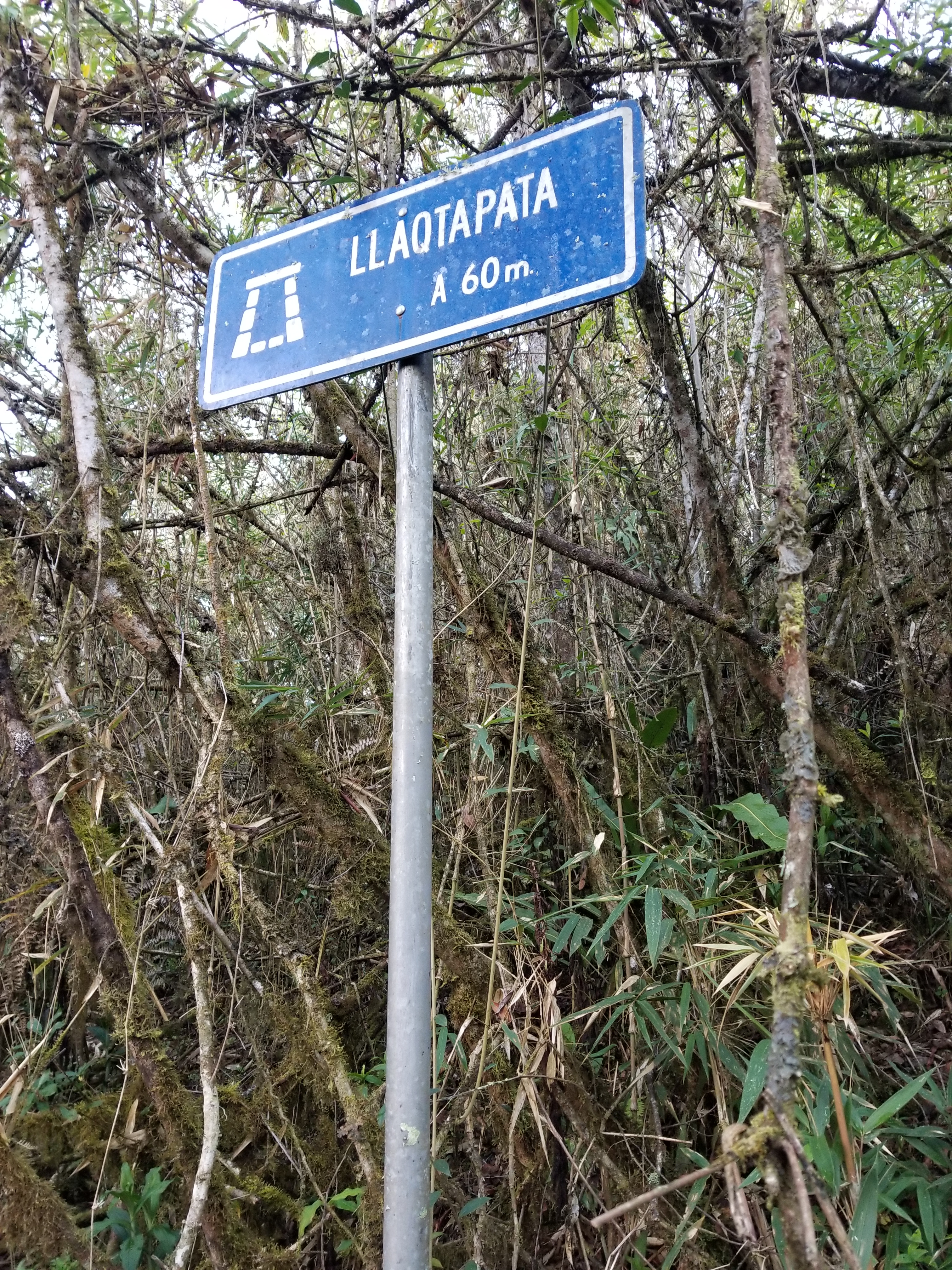
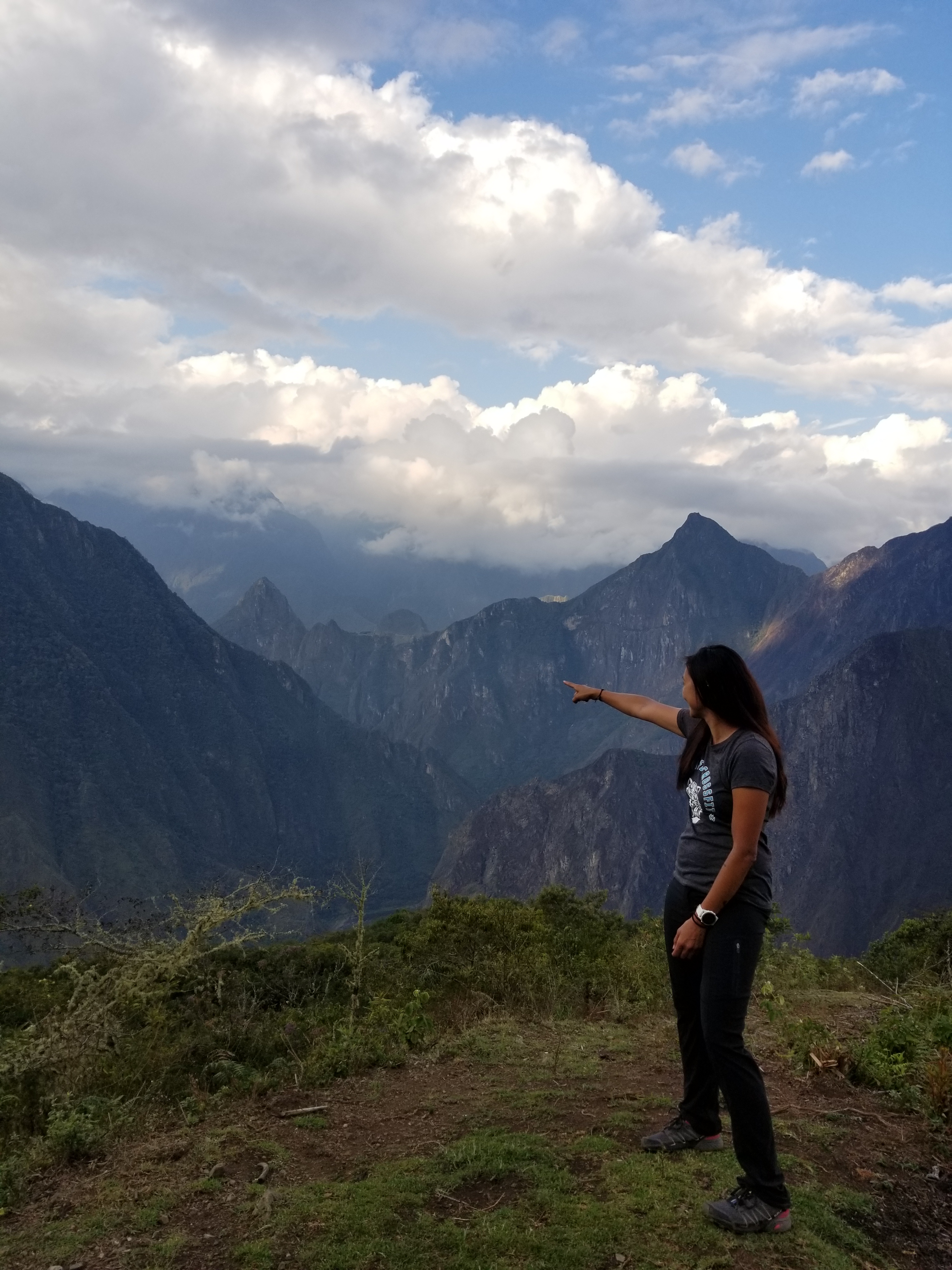
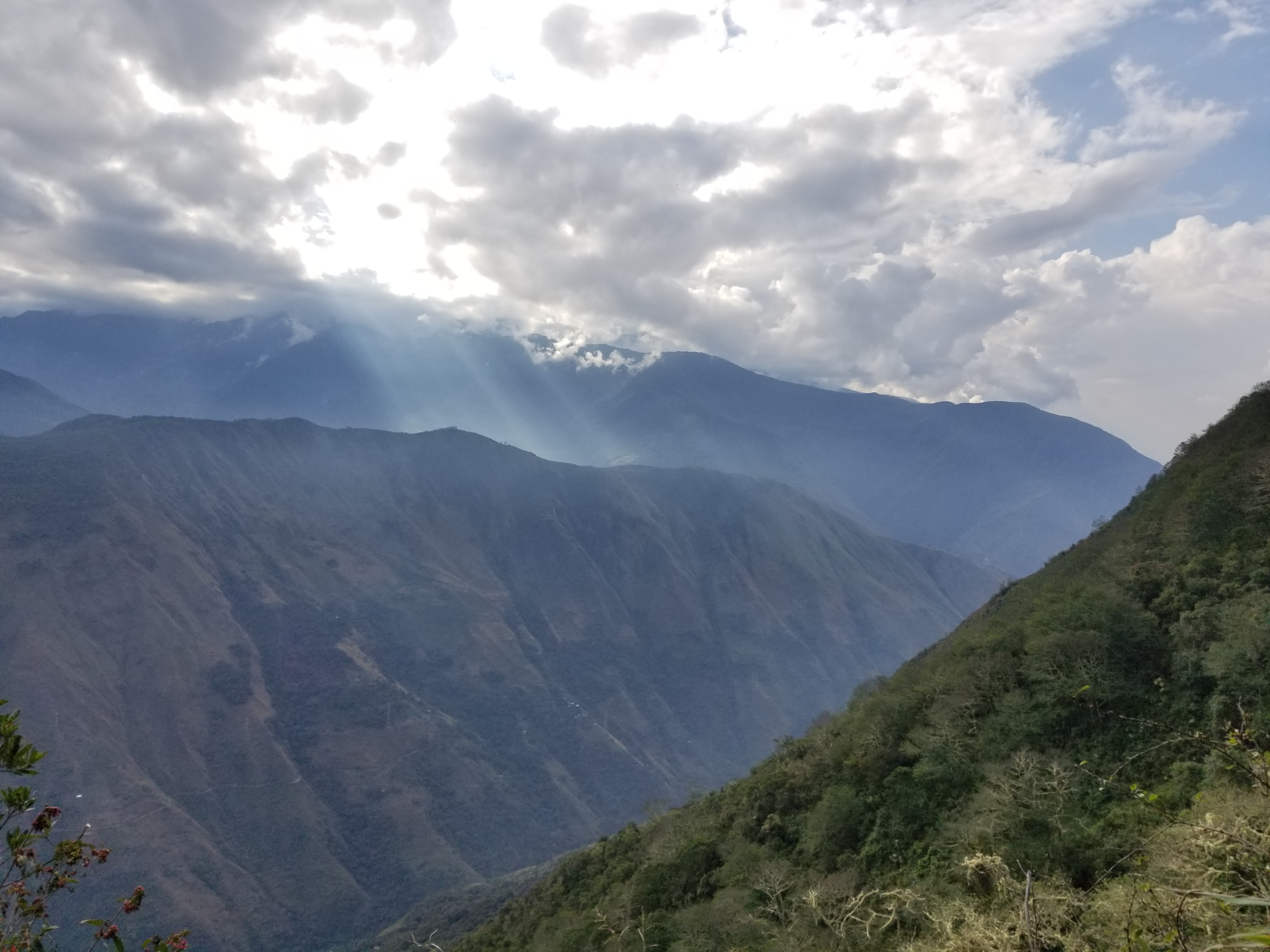
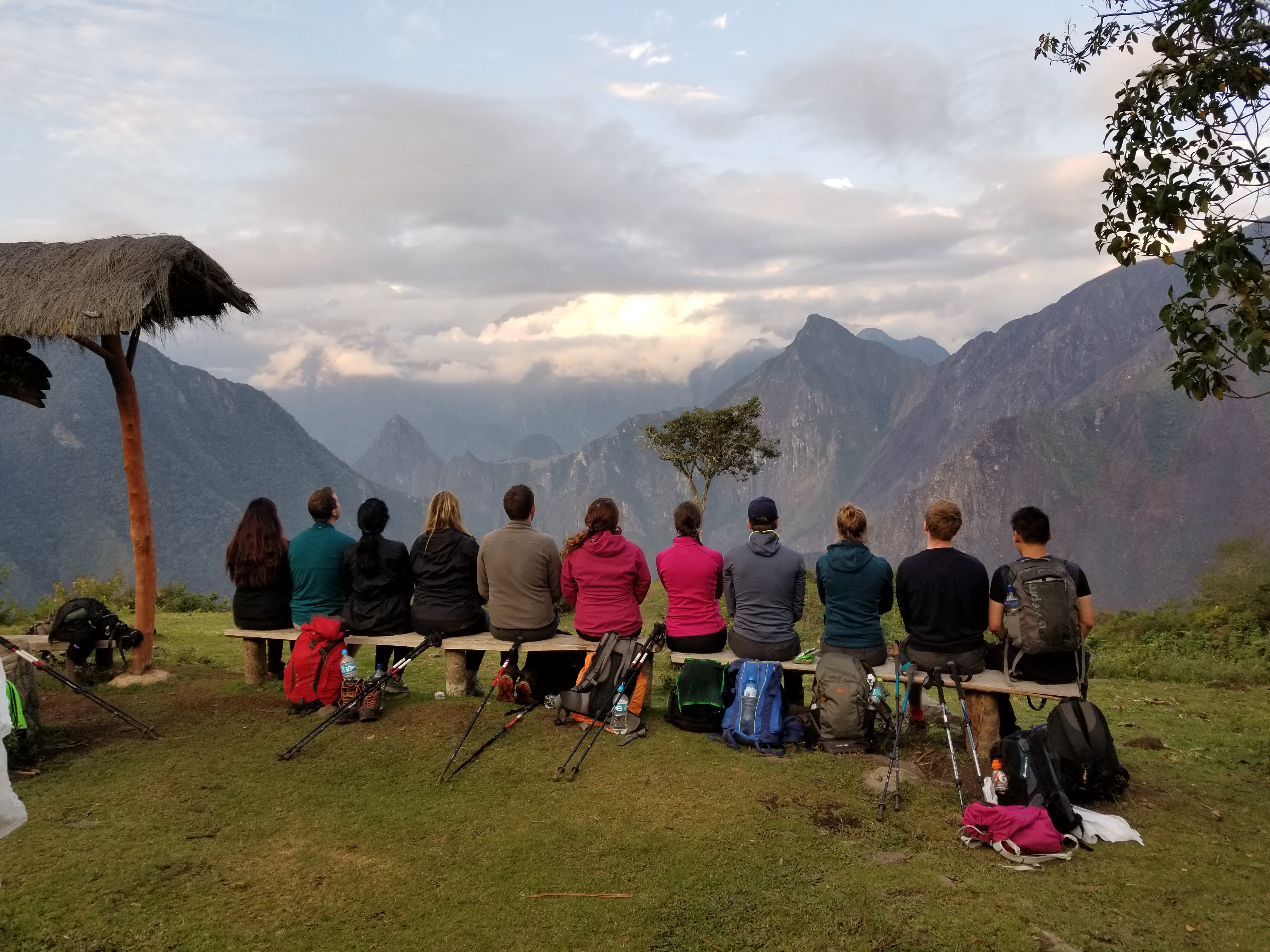
Day 3 (12km = 7.5 miles) – In my opinion the third day of hiking was was the most relaxed and leisurely. This was also my favorite day as we visited a local coffee farm in the Andes where we harvested, roasted and drank our own coffee. (My inner coffee lover was in heaven). We also hiked to a very cool spot called Llactapata which was a located directly across from Machu Picchu. This was to me the prettiest of all the campsites and the most surreal.
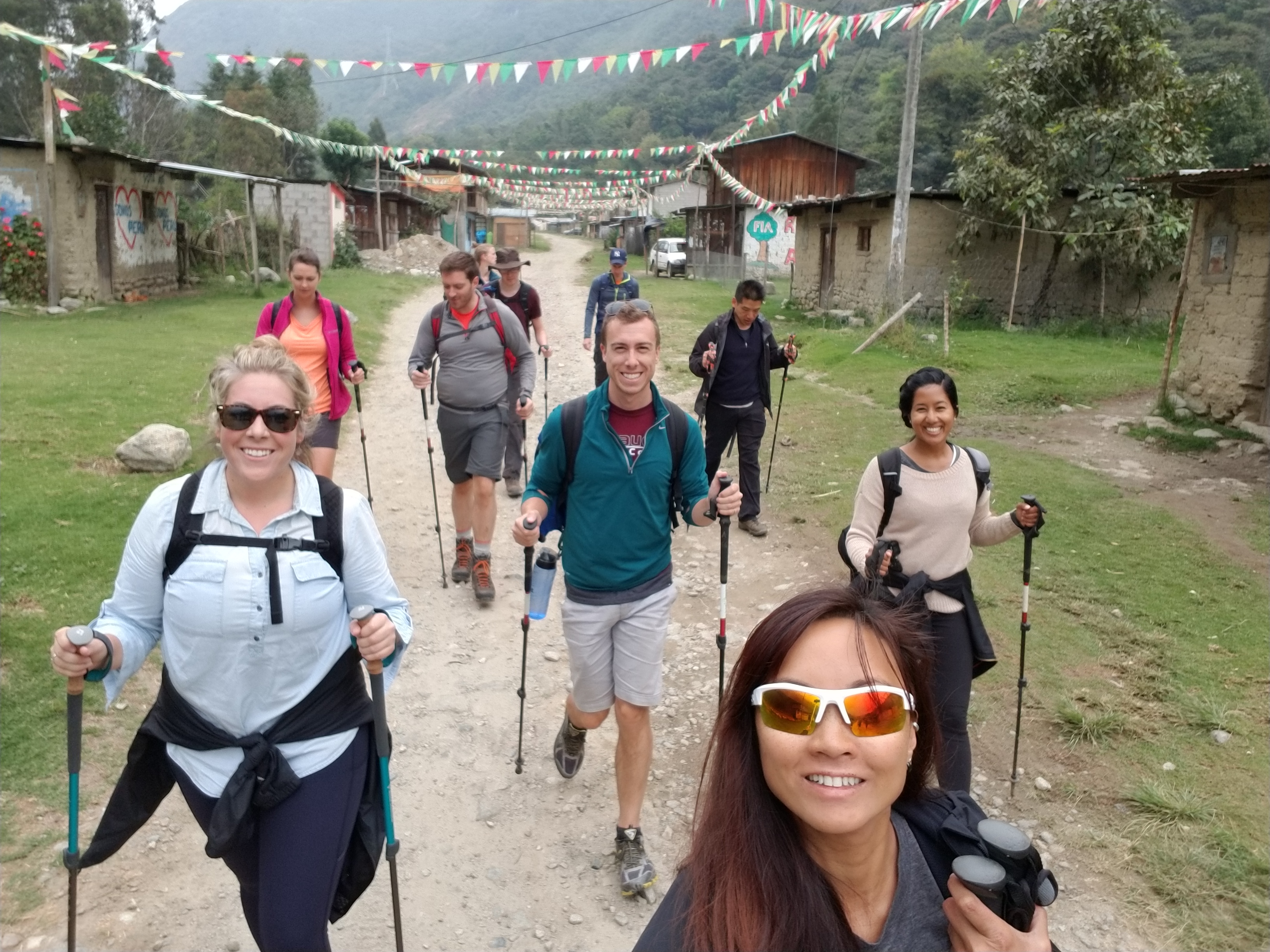
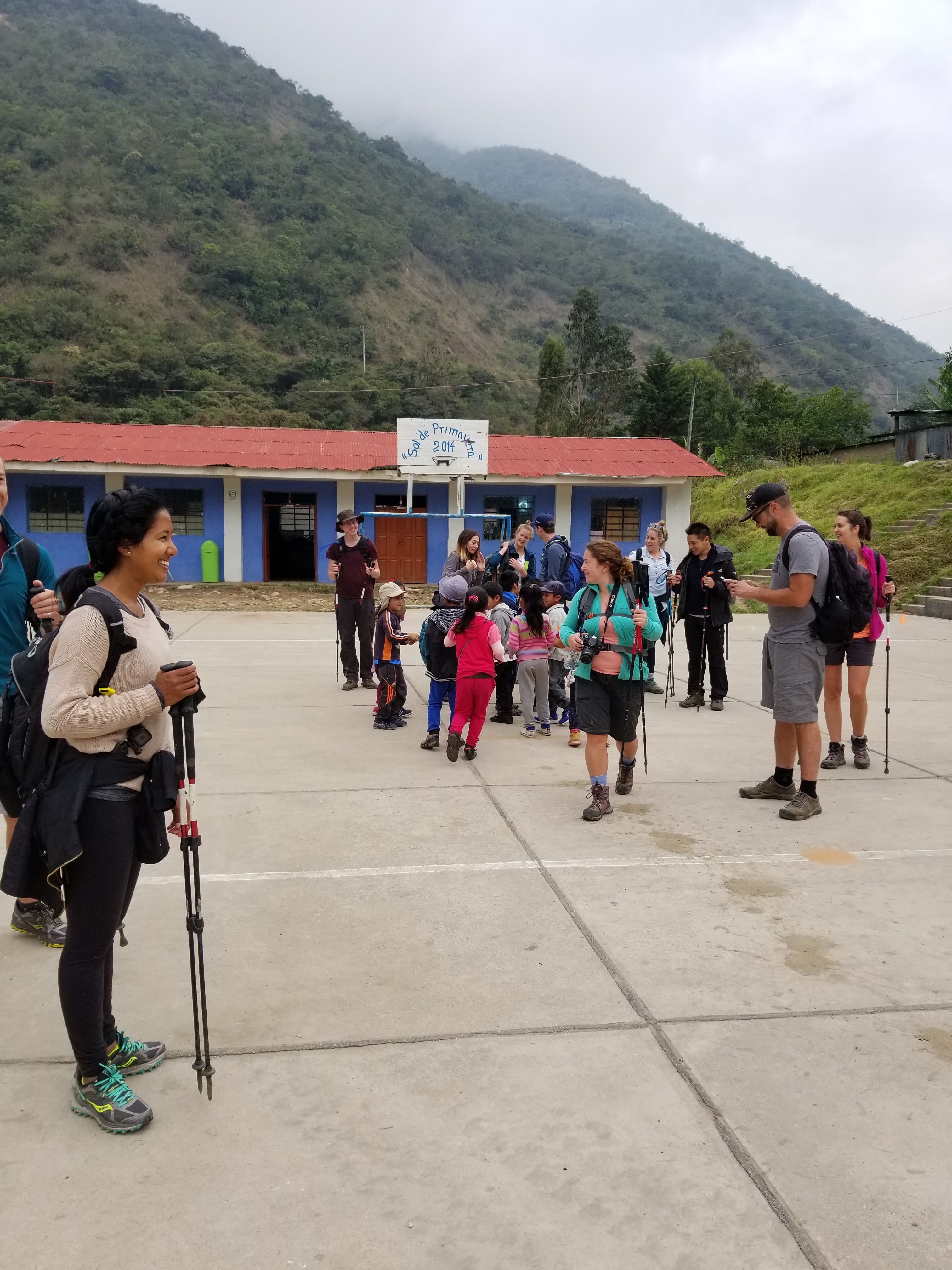
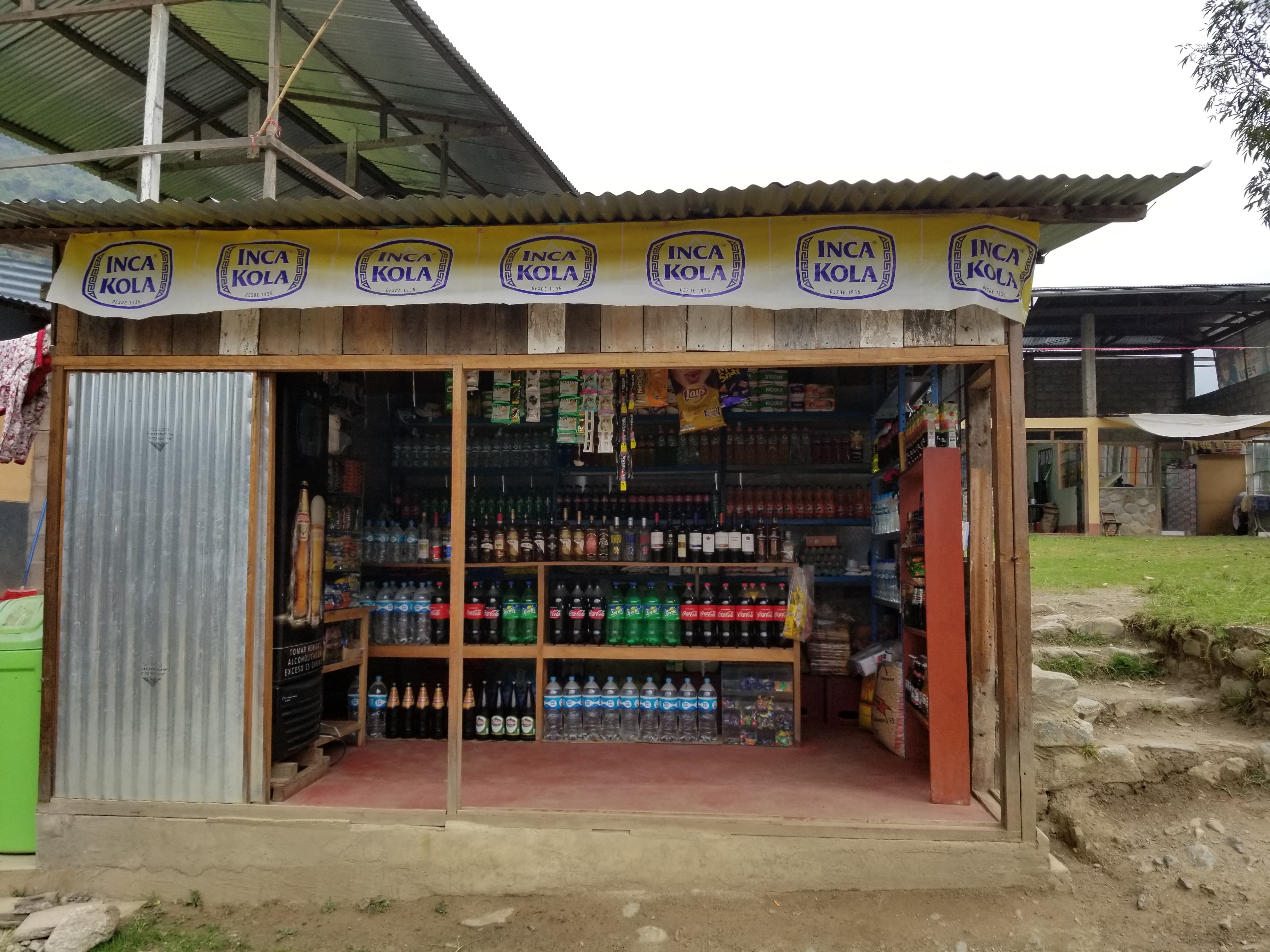
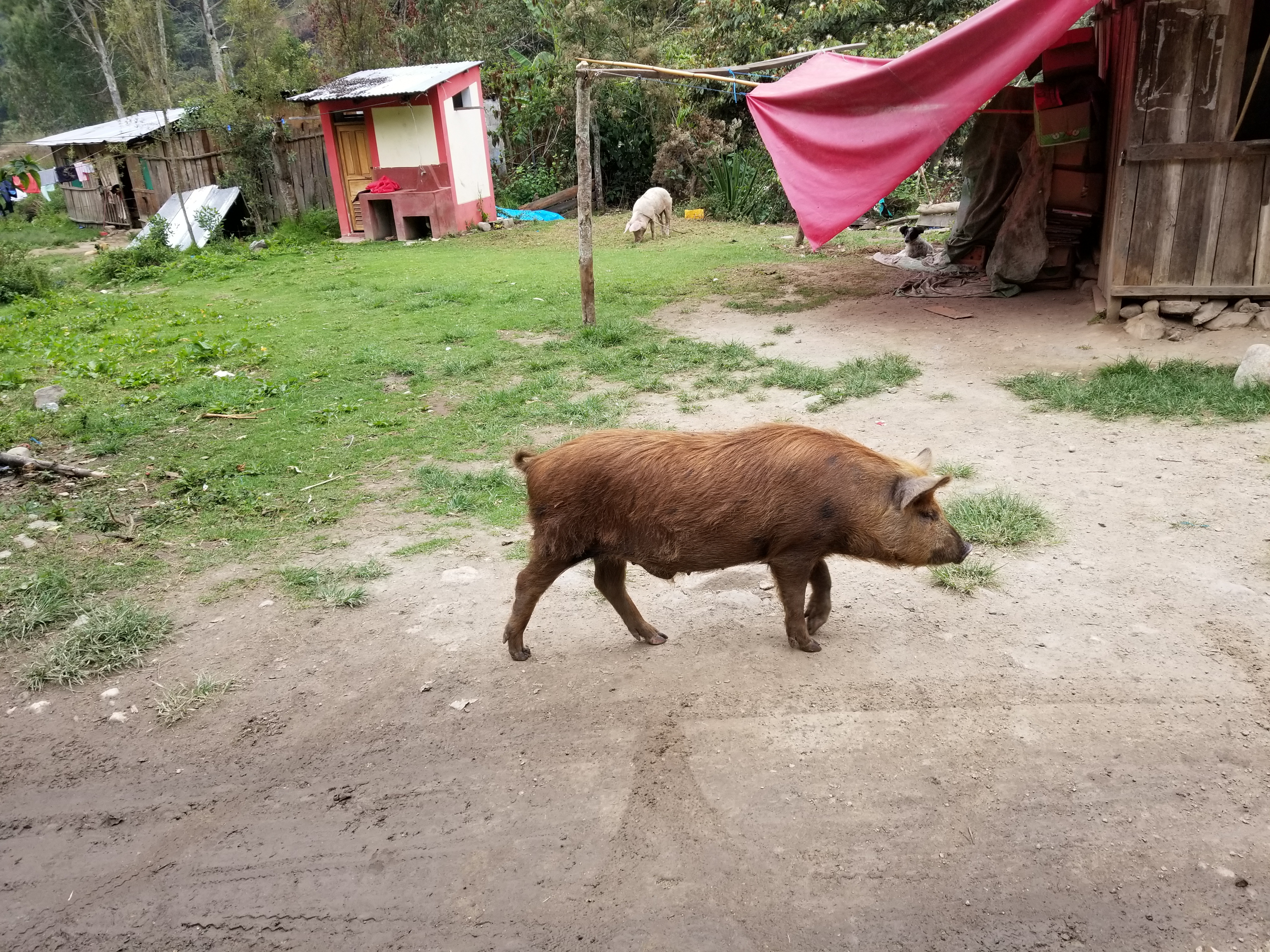
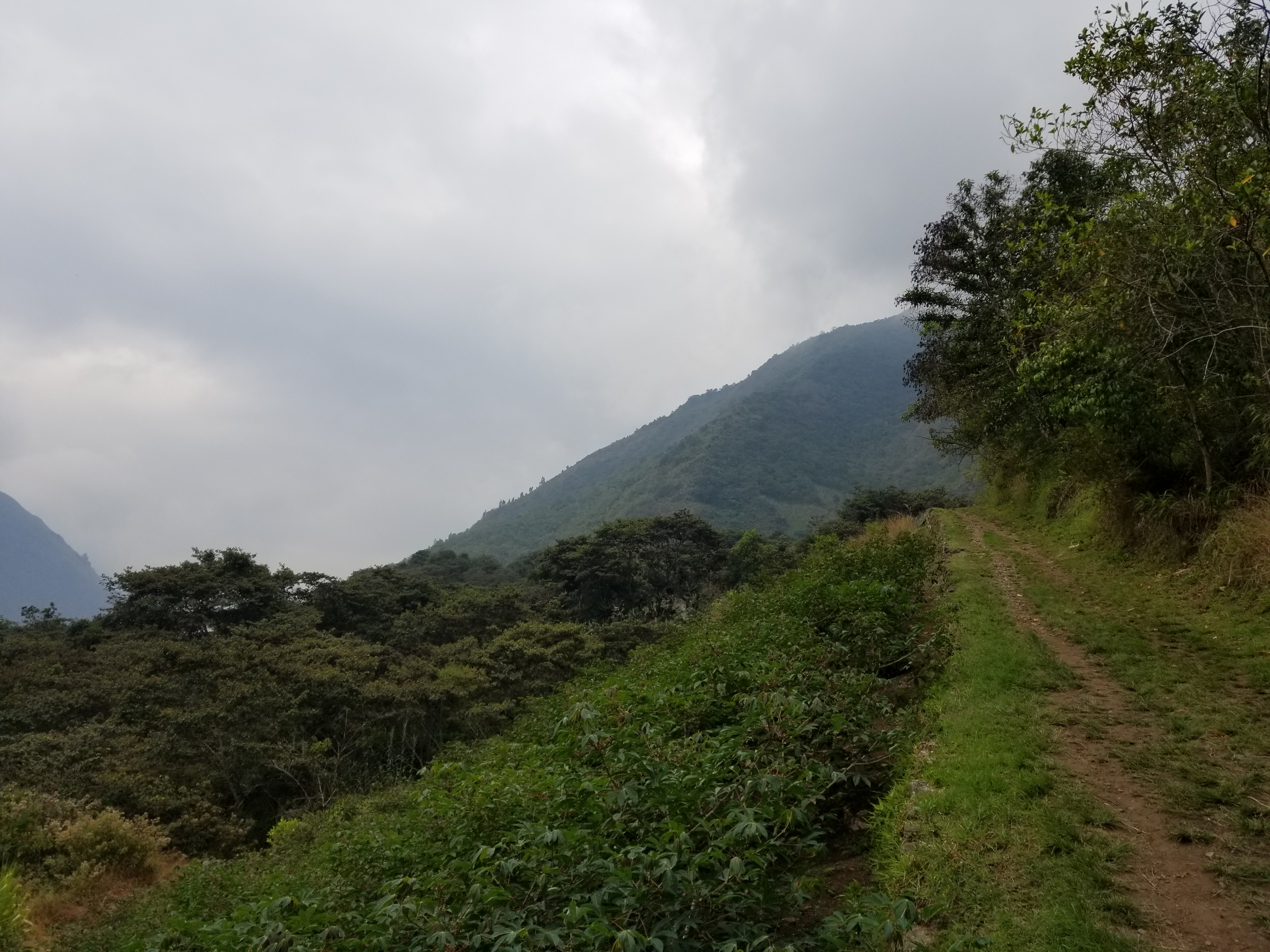
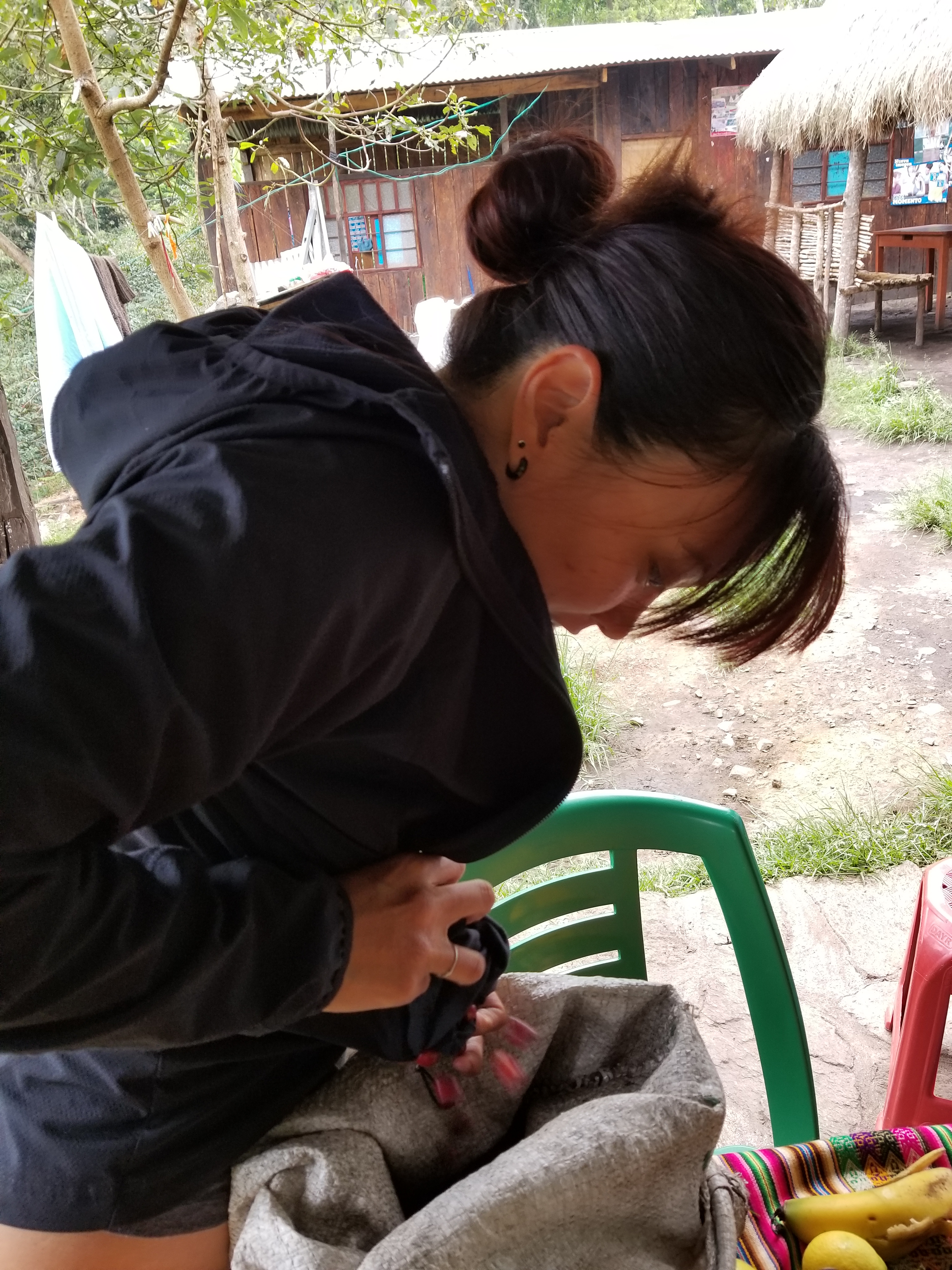
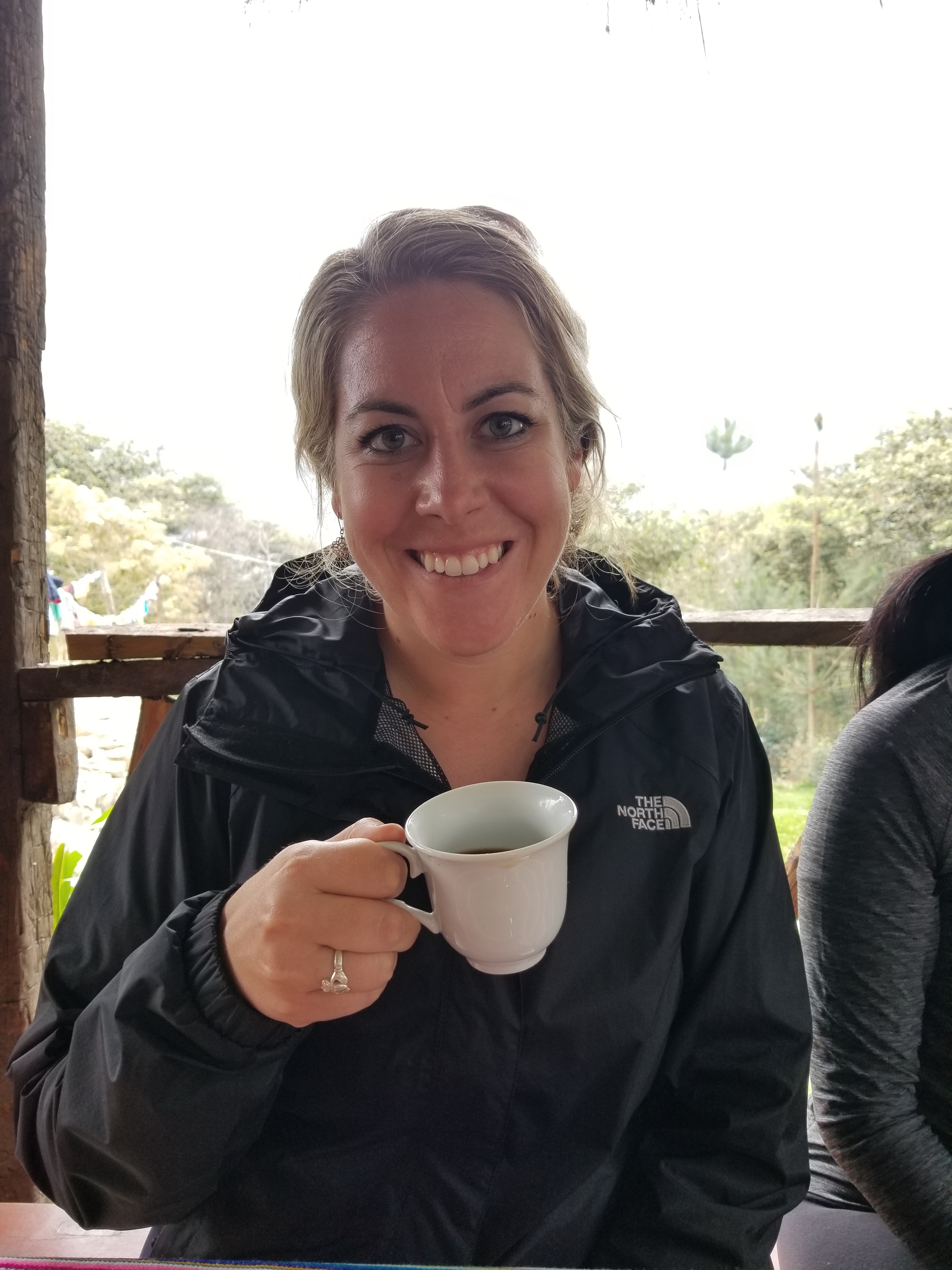
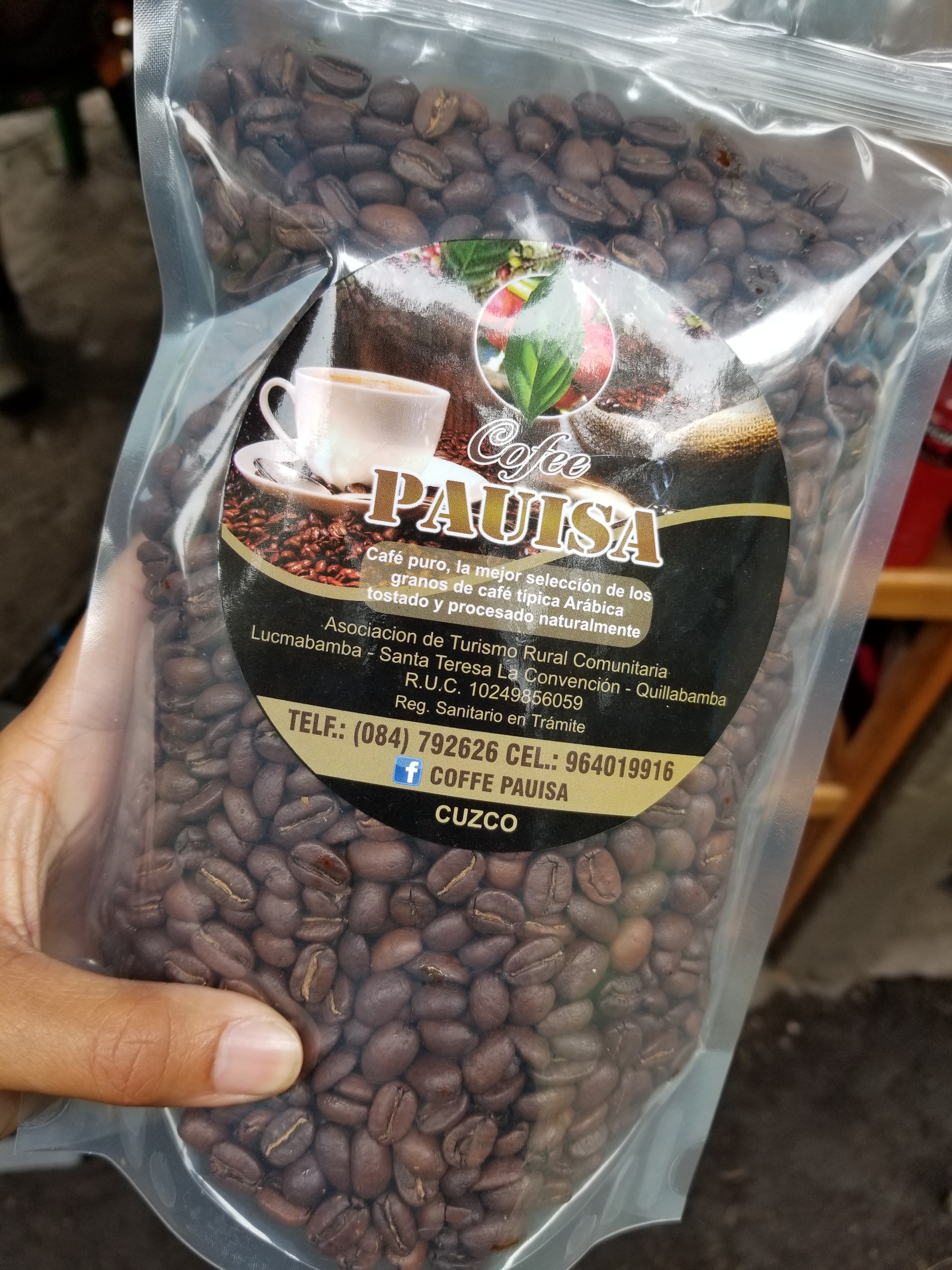
The coffee farm was one of the highlights of this trek for me so I thought it deserved it’s own photo gallery. Also, there was a small friendly competition between the men and women in the group as to who could collect the most coffee beans. My competitiveness would definitely not let the ladies down. This coffee was seriously the best coffee I have ever had. There is nothing more authentic than witnessing where the coffee was grown and harvested in the middle of the Andes Mountains. A truly memorable experience for this coffee fanatic.
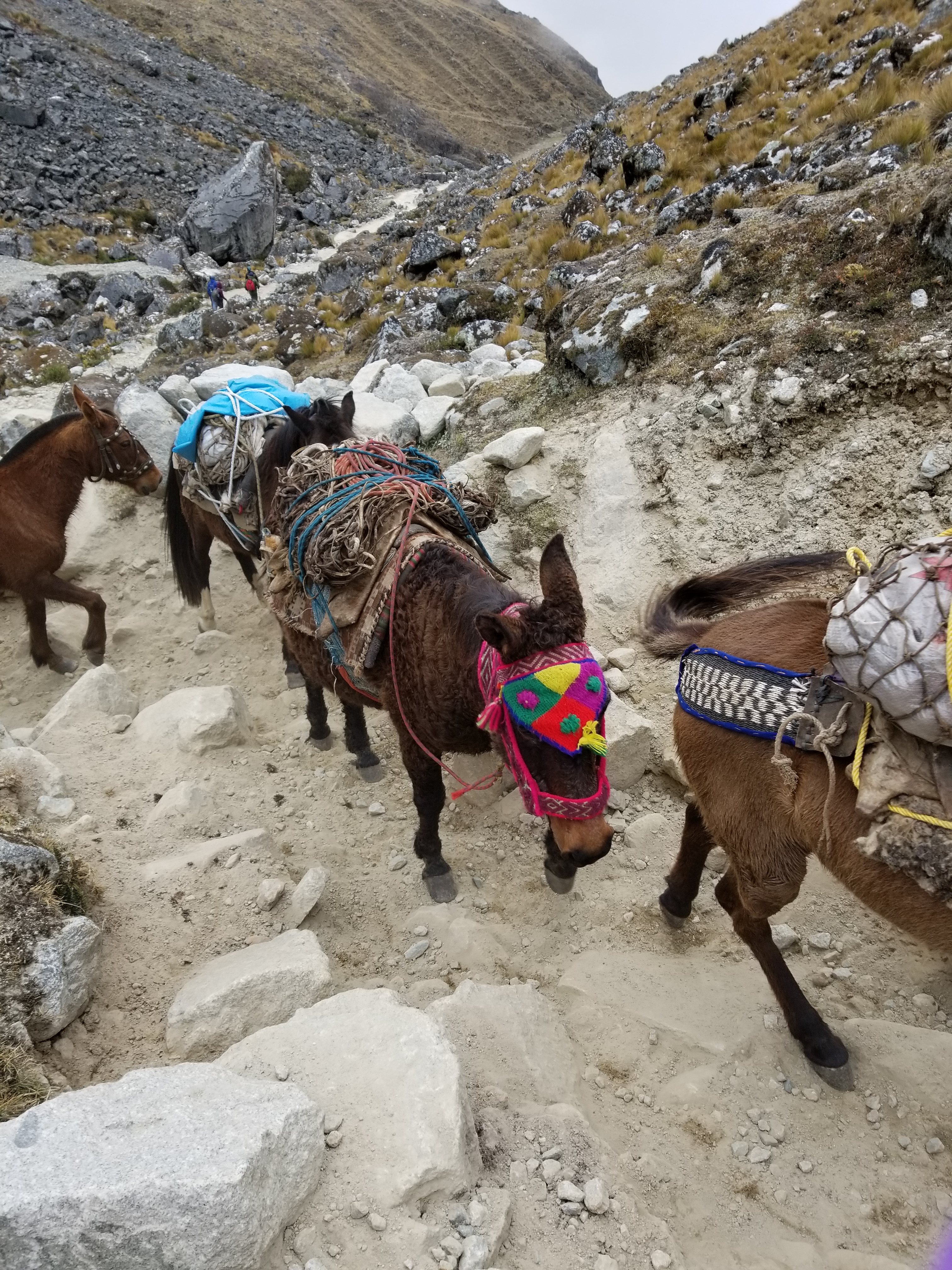
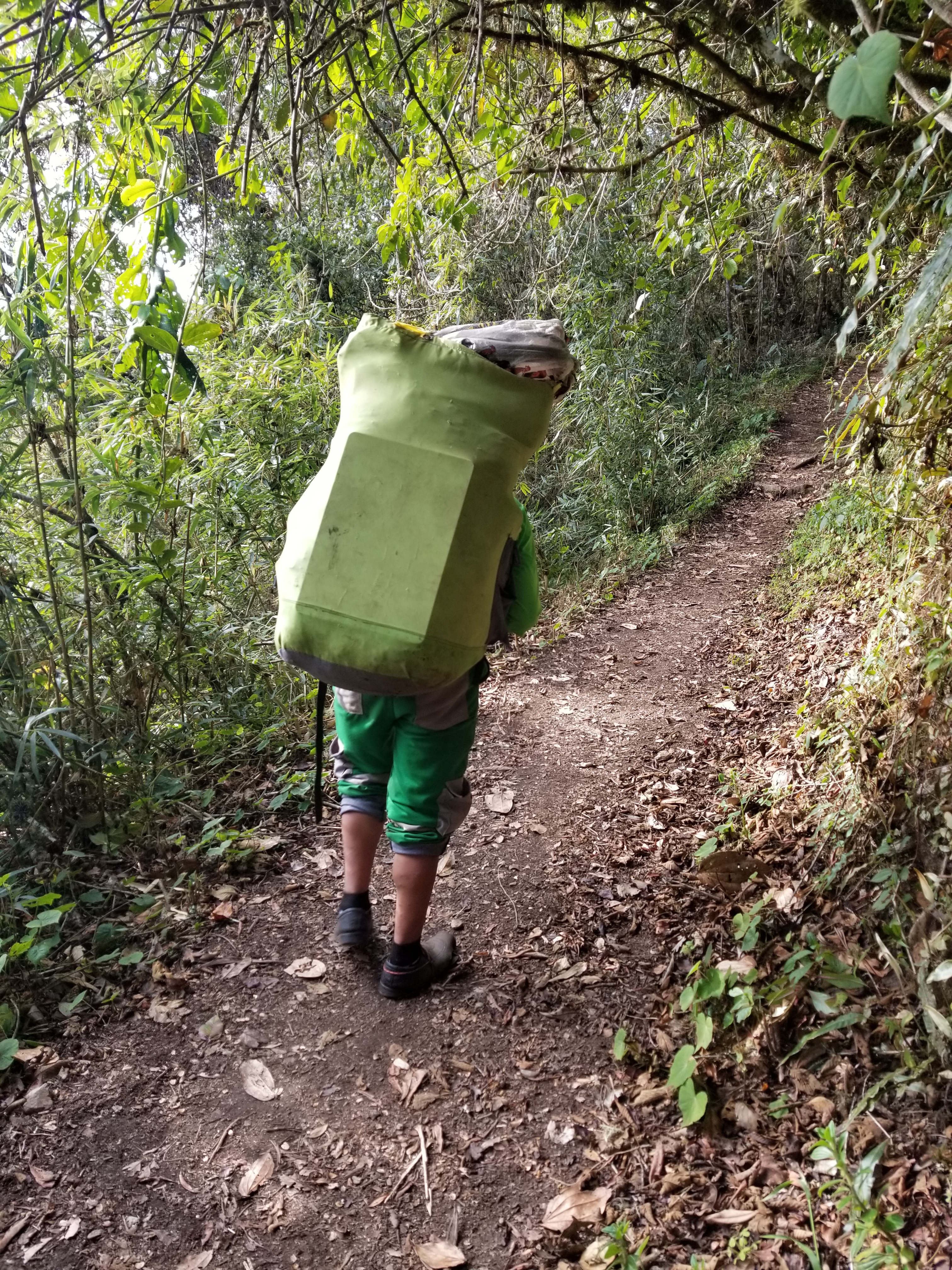
The rest of the hike to Llactapata was fun, with a little rain, and actually being passed by the porters was humbling. Up until this point we had not seen any of the porters as they were usually well ahead of us. Lugging all our belongings to the next campsite. These local men from small villages were amazing to see, carrying towering packs filled with cooking supplies, camping mats and duffle bags, etc. literally running up the hills blowing by us like a flash.
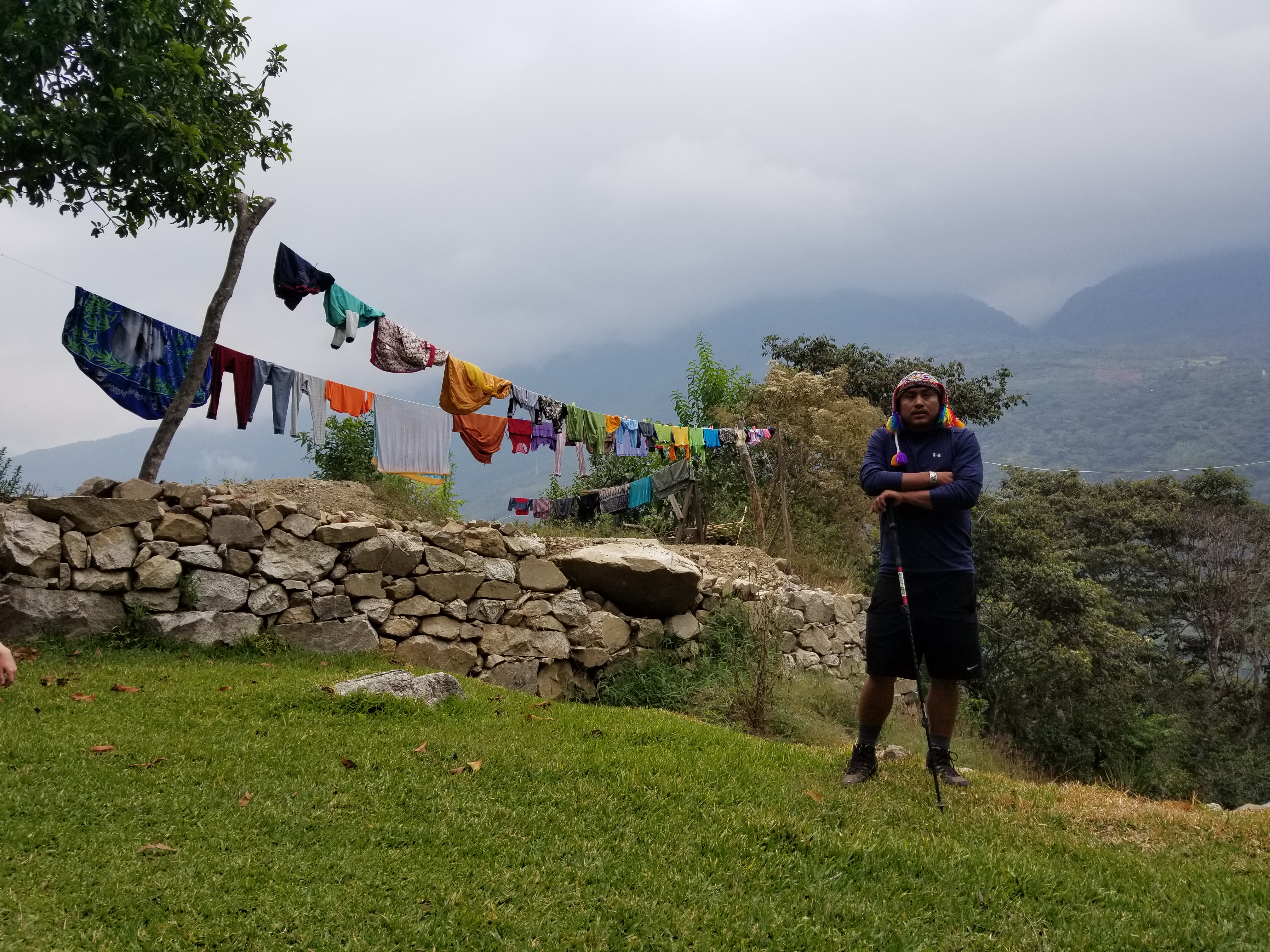
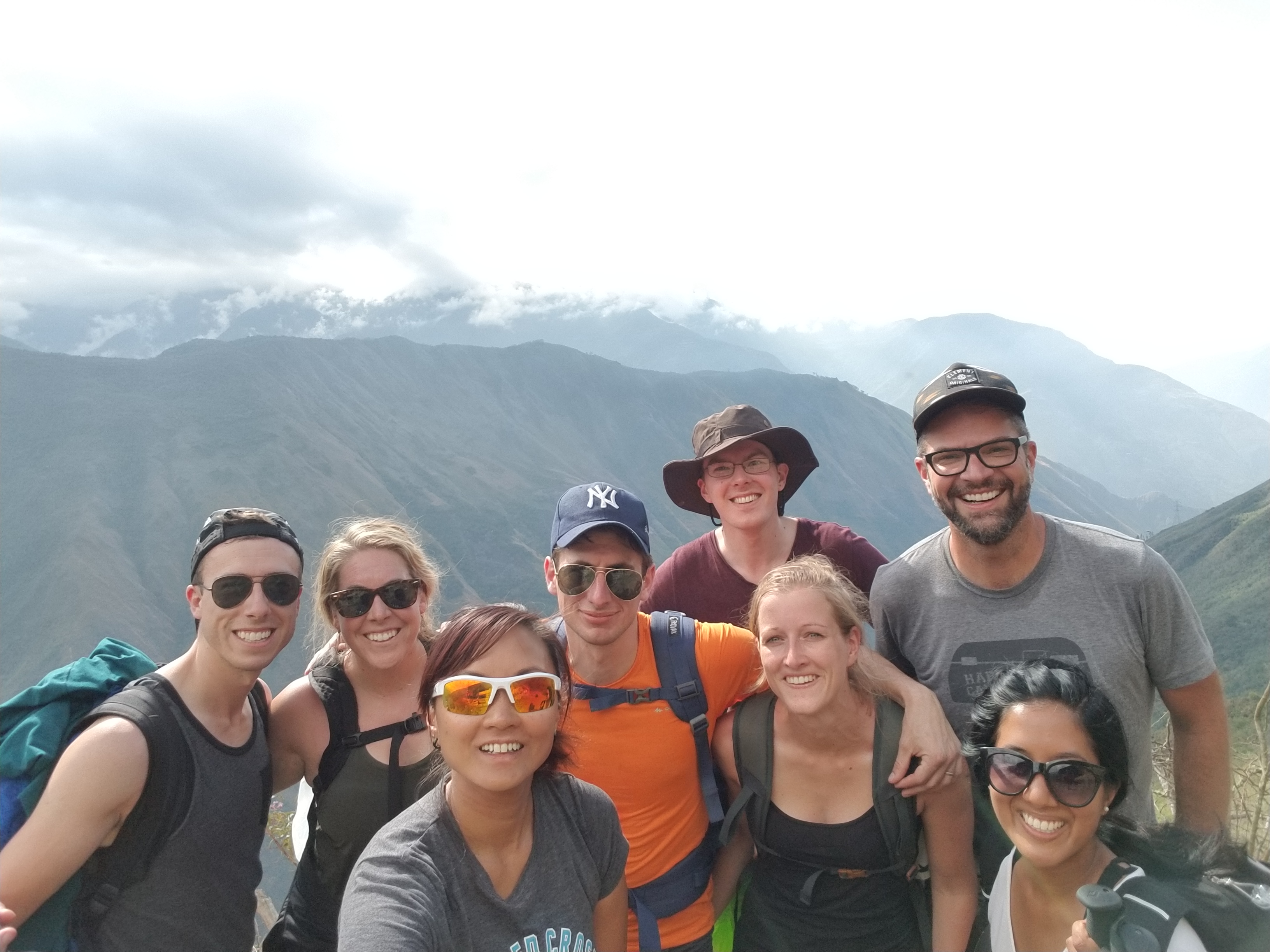
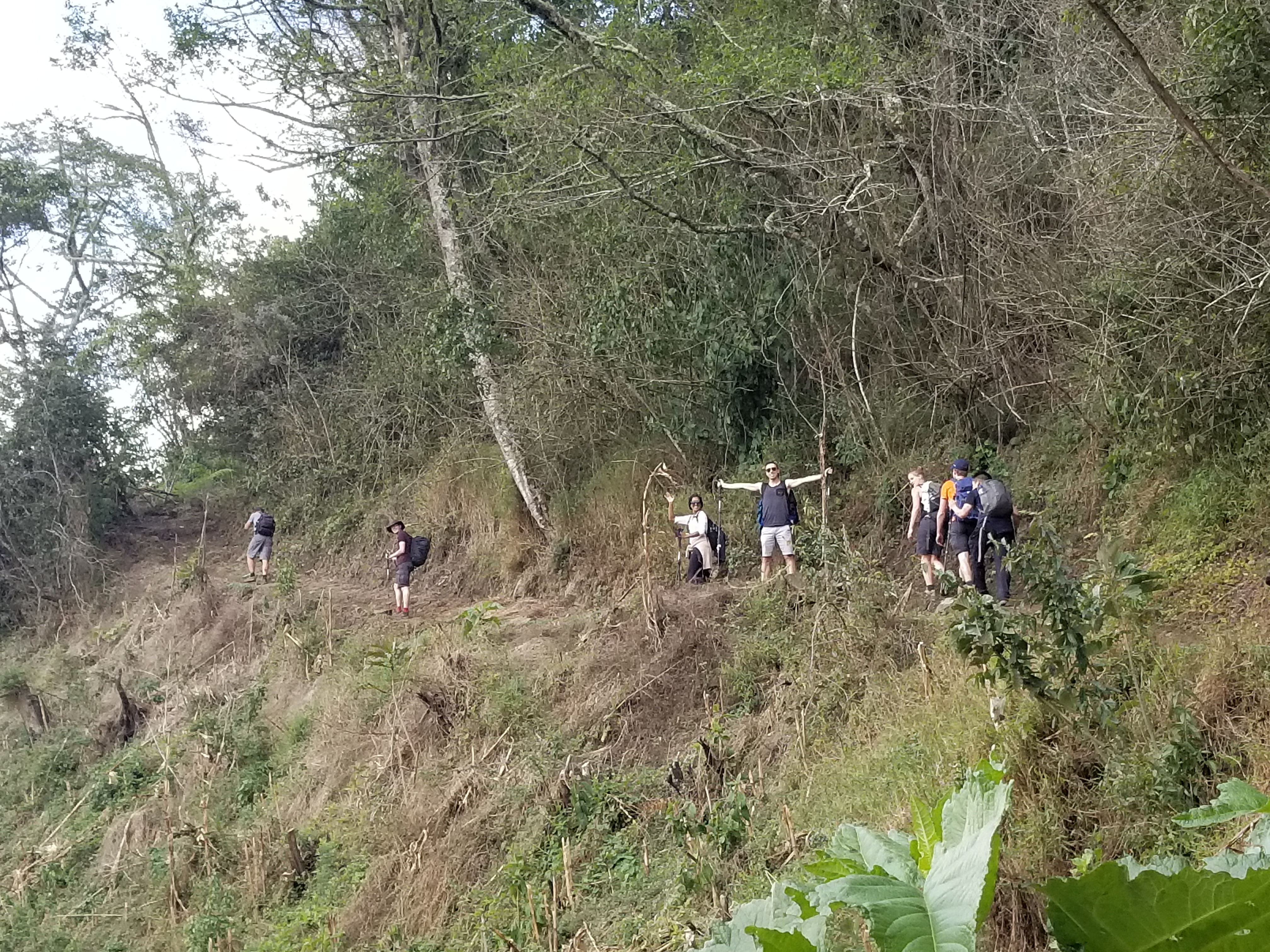
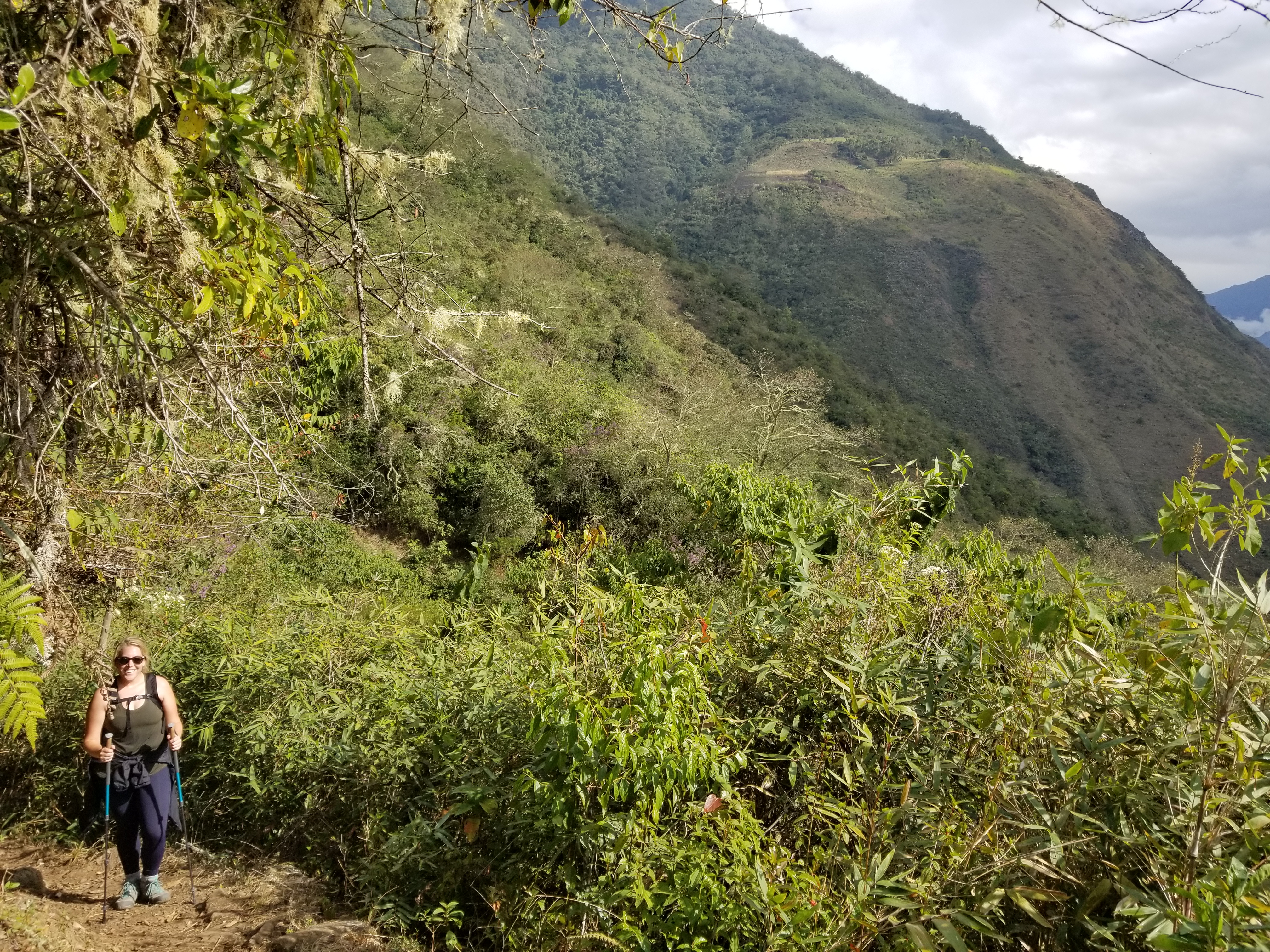
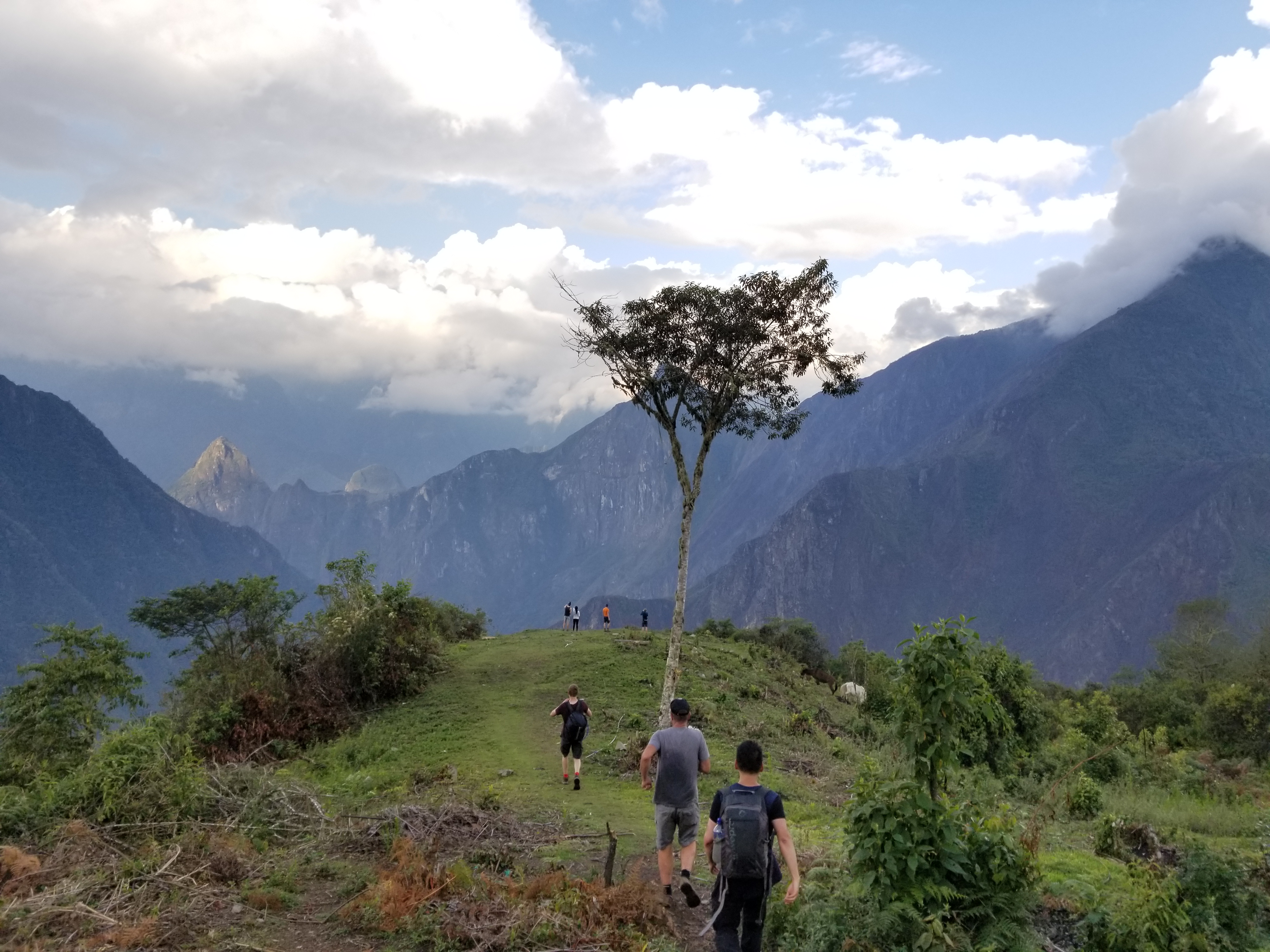
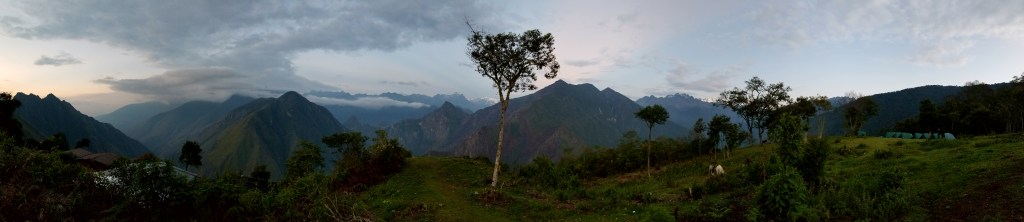
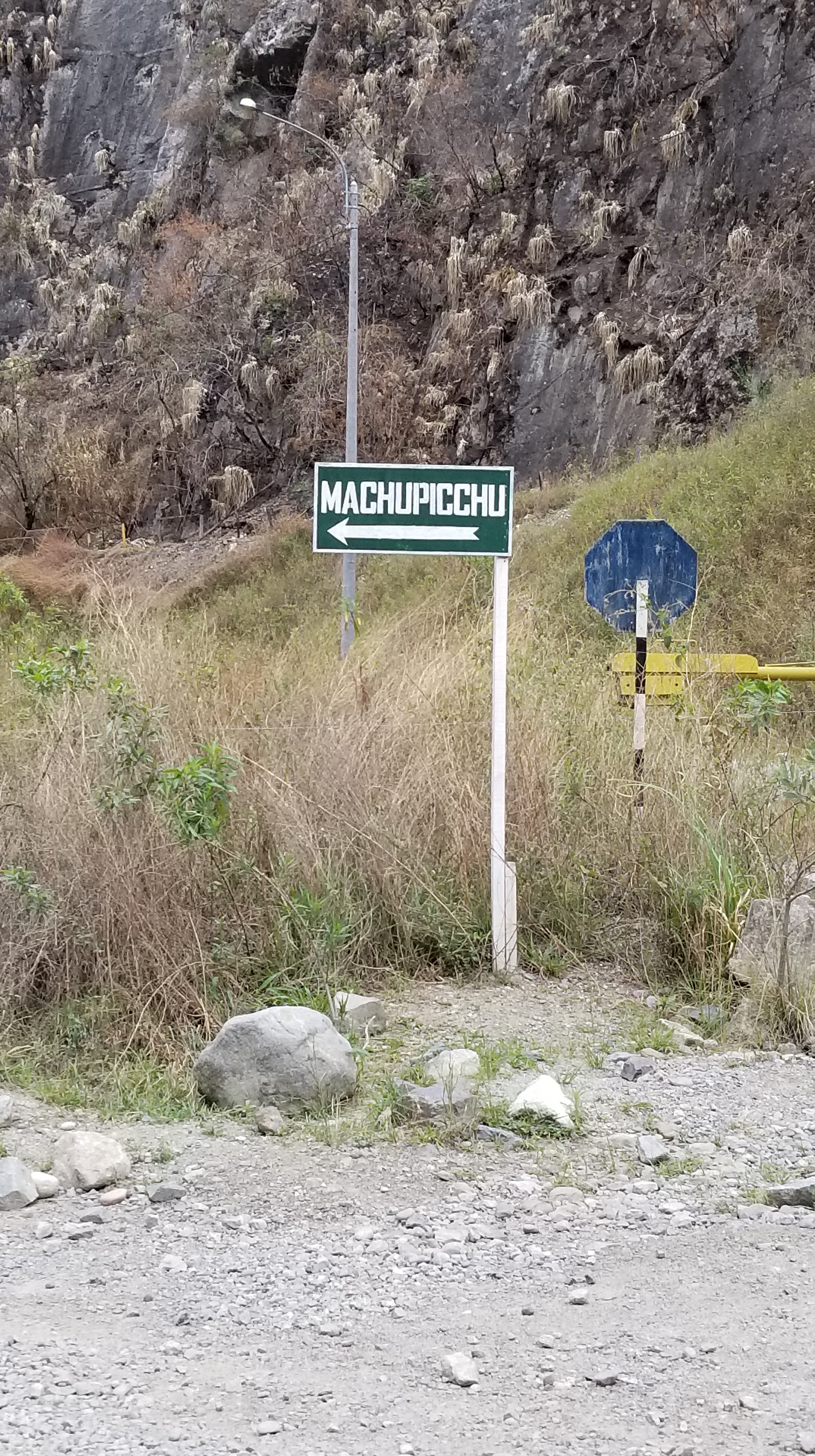
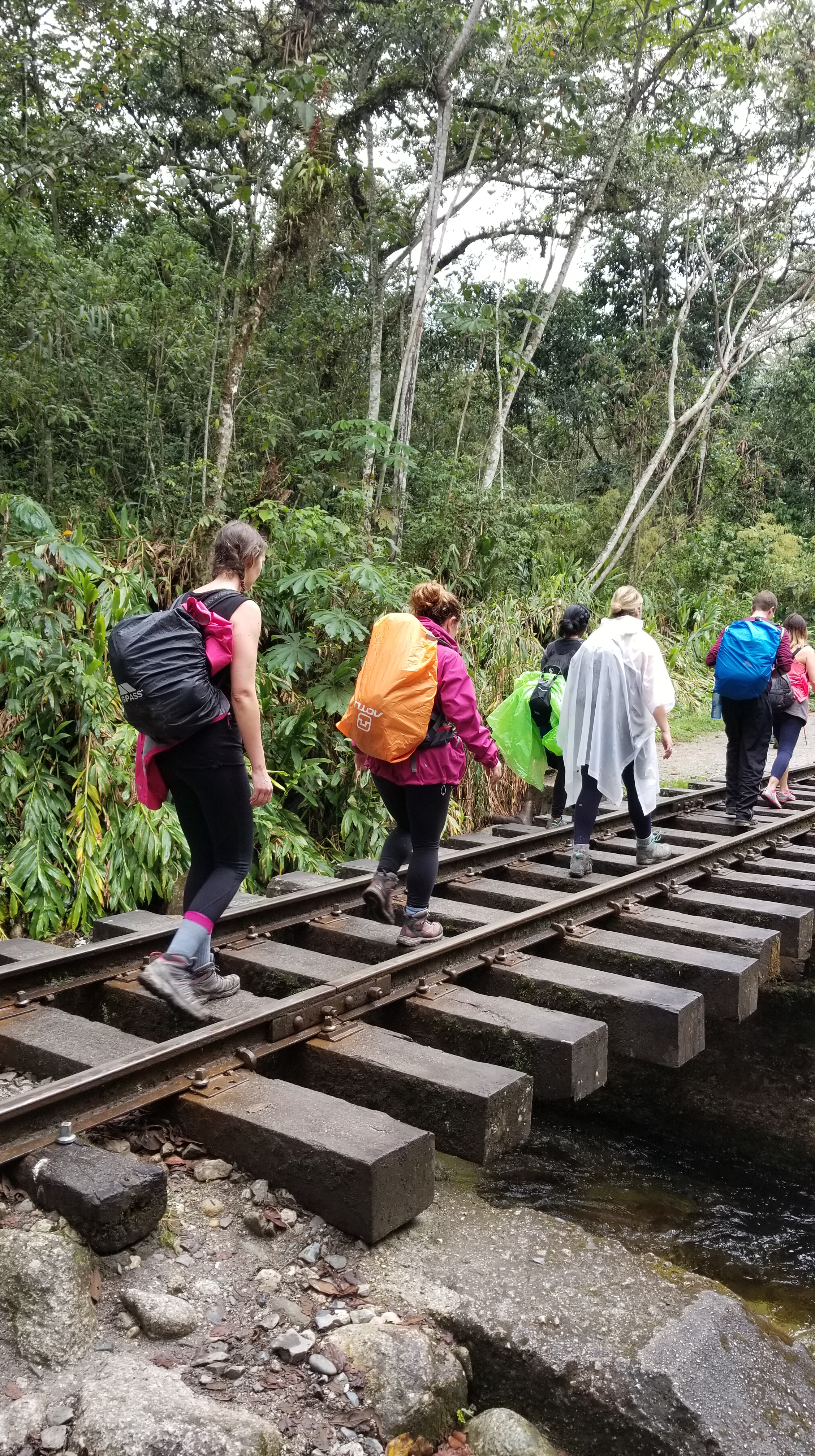
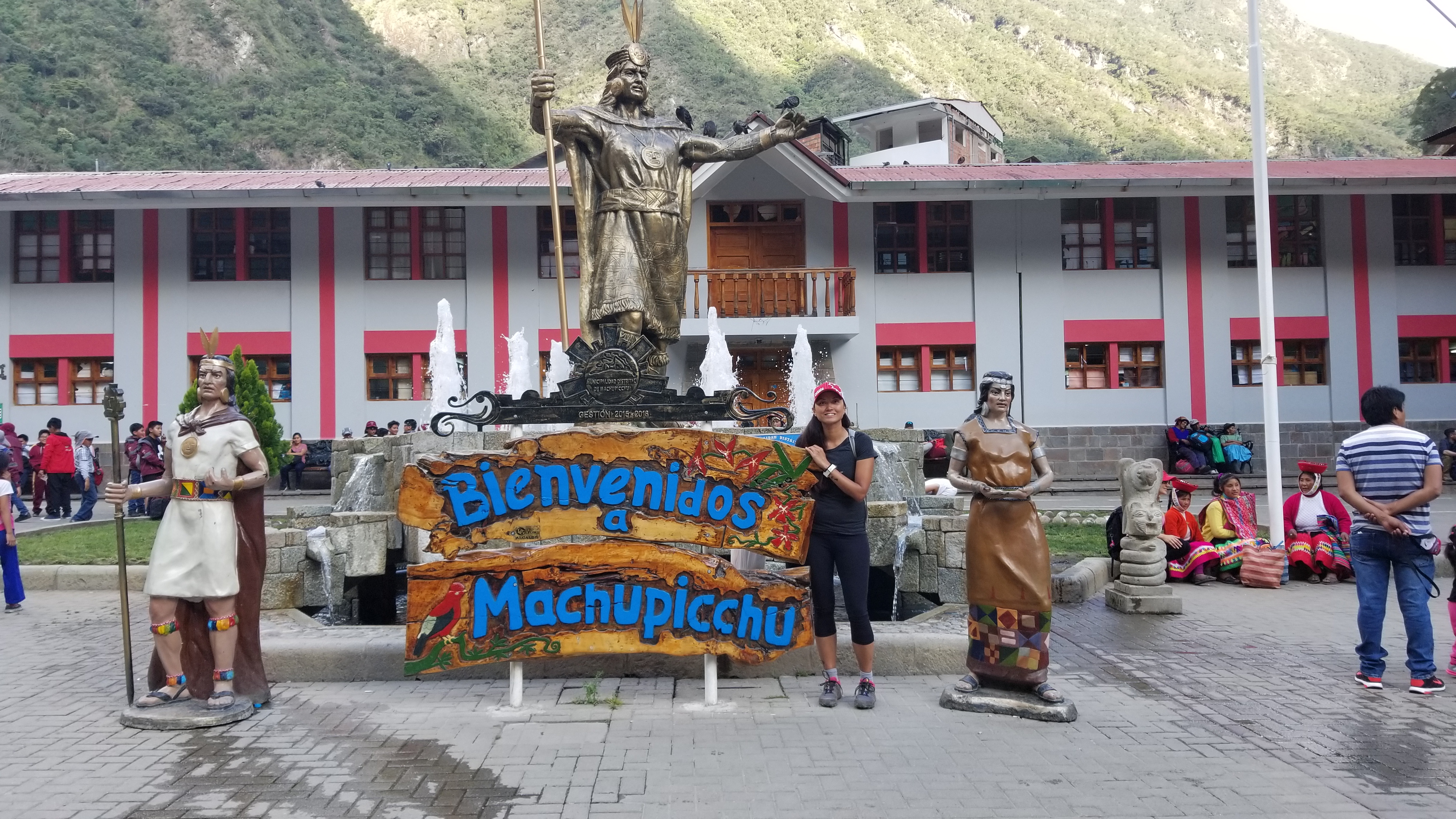
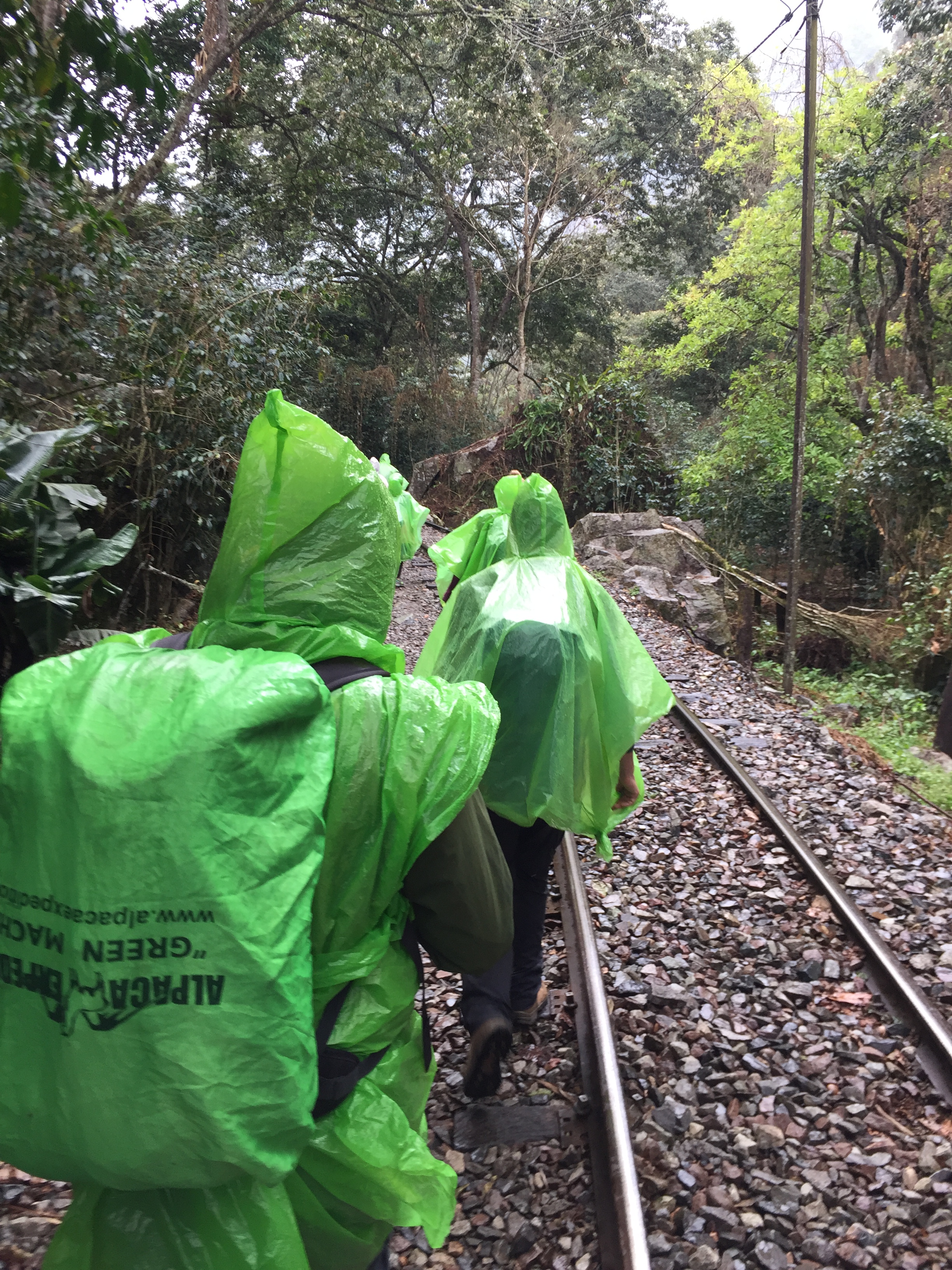
Day 4 (15km = 9.3 miles) – This was my least favorite day of hiking in that it was enroute to Aguas Calientes, where the rest of the Machu Picchu tourists would be. Thus far we had been hiking for 3 days without running into another group. The tranquility and beauty of the sites enhanced by the lack of human encounters. A lot of the hike was over train tracks that seemed to go on forever.
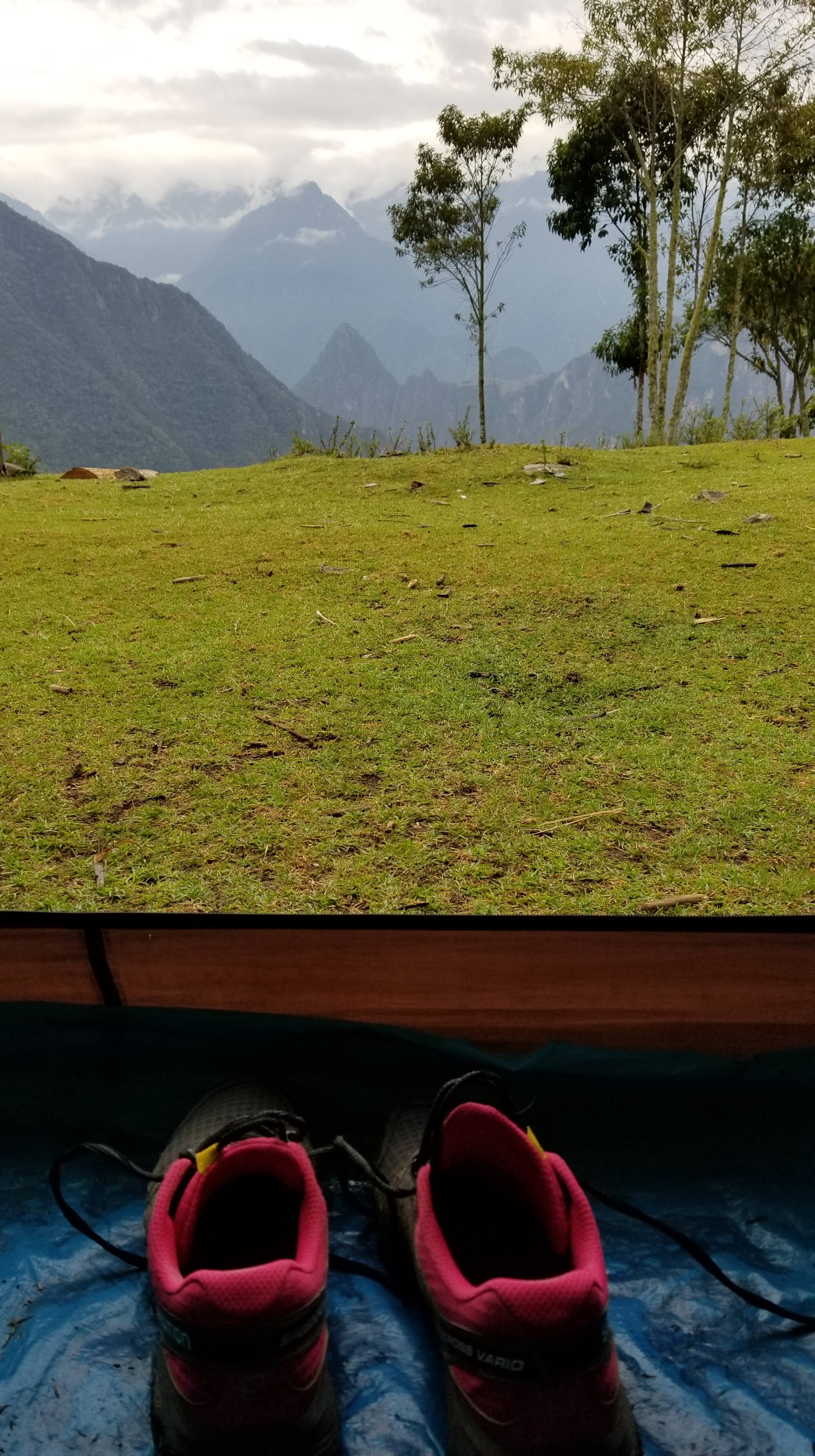
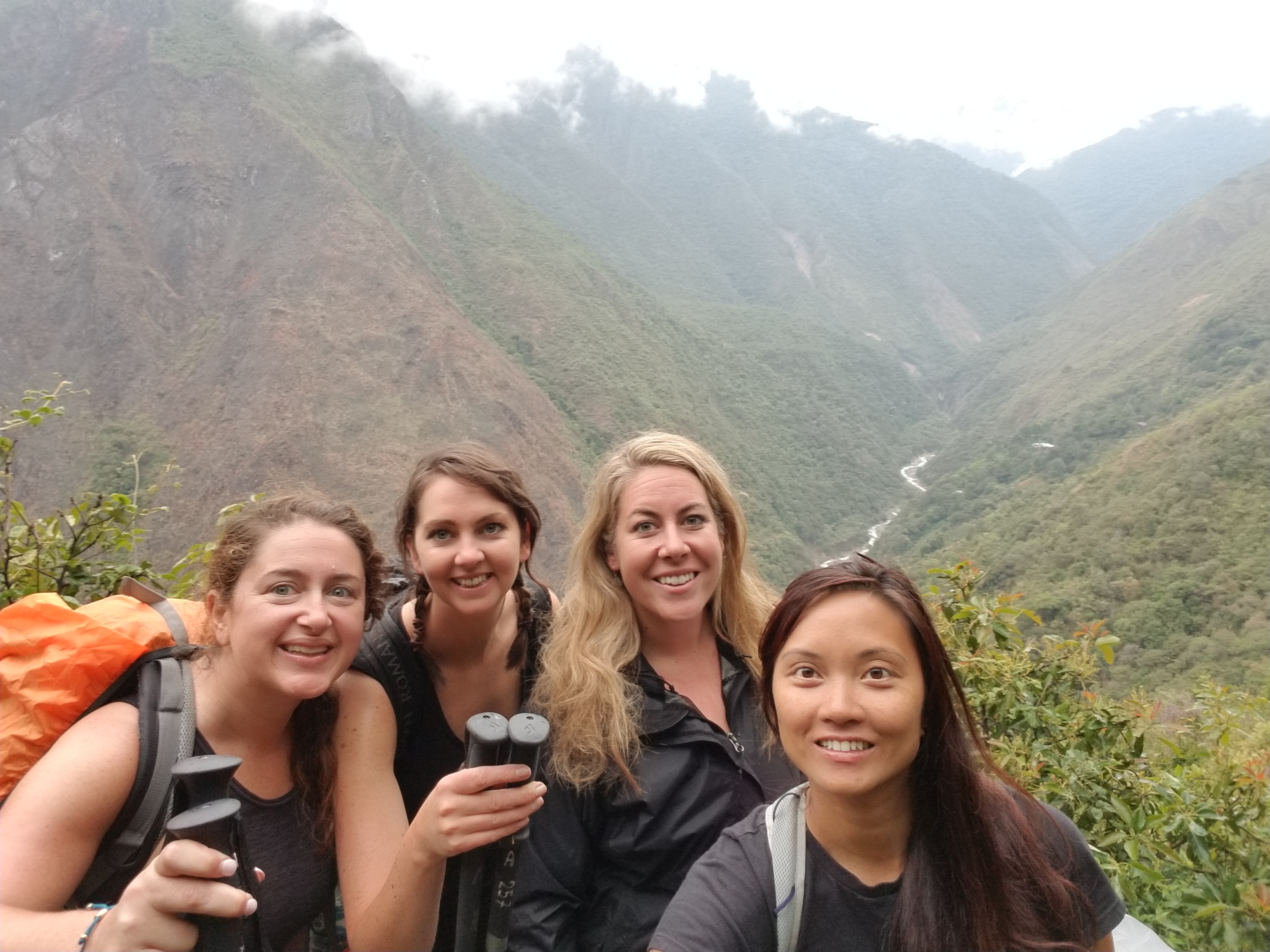
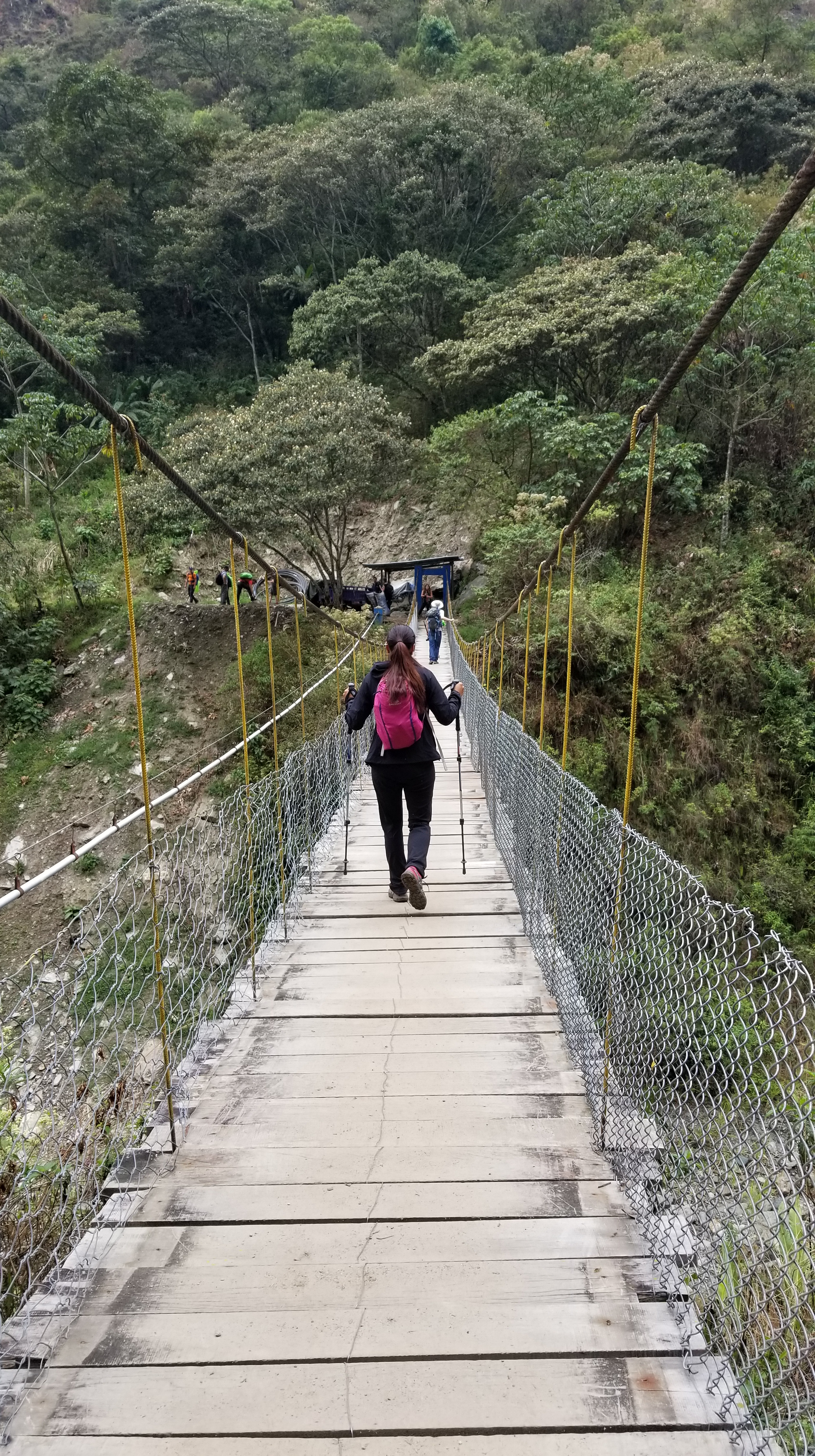
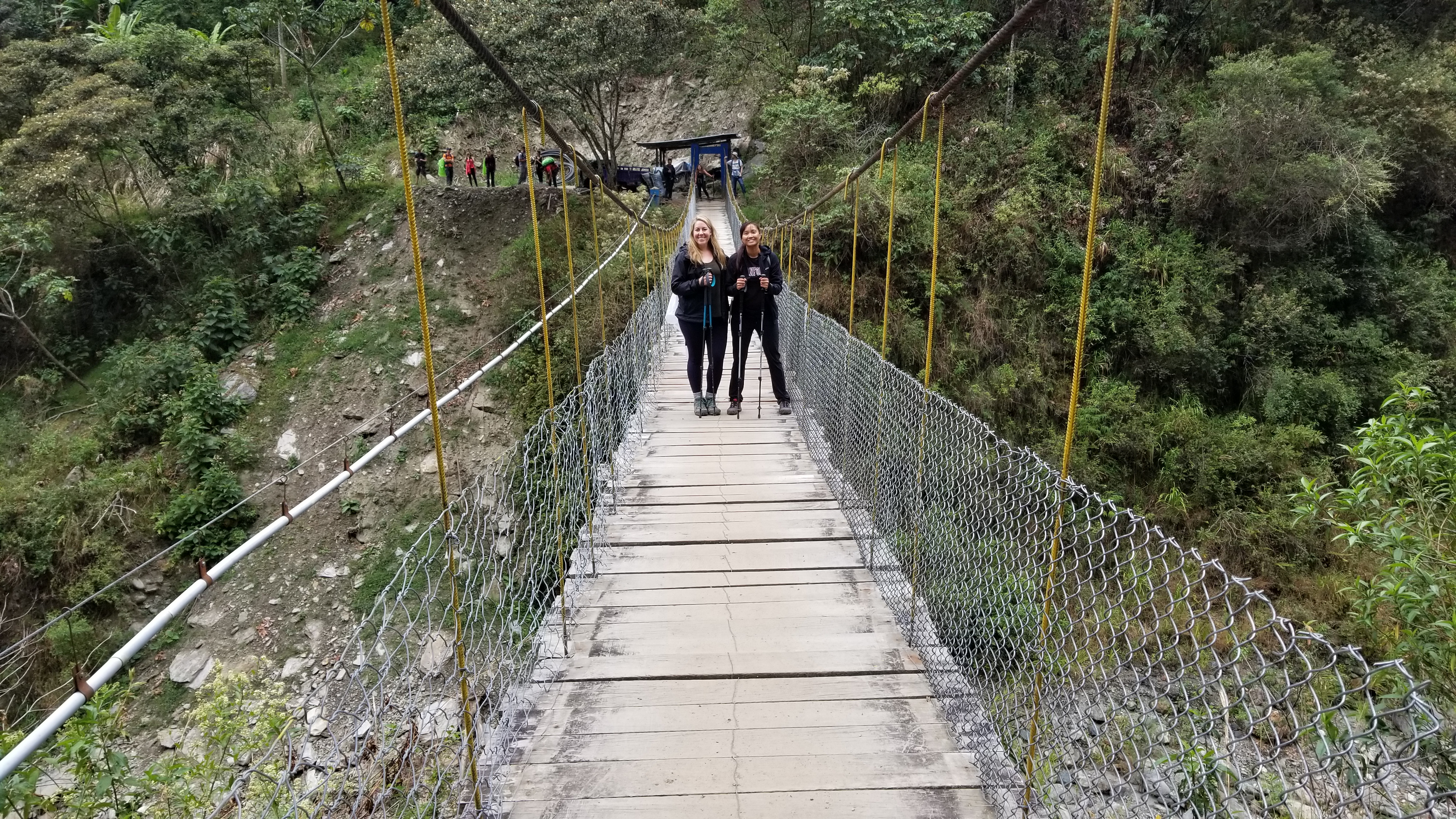
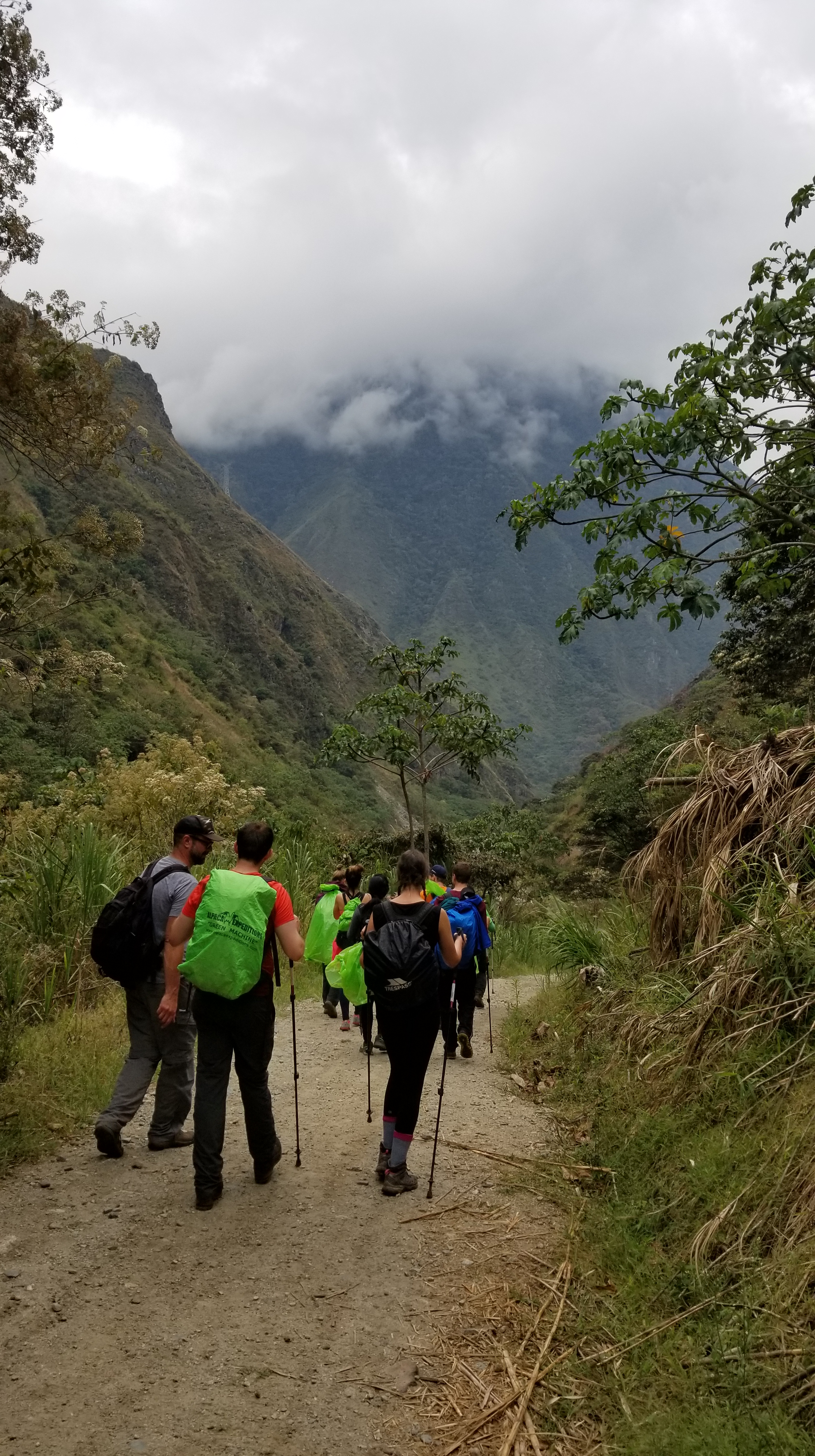
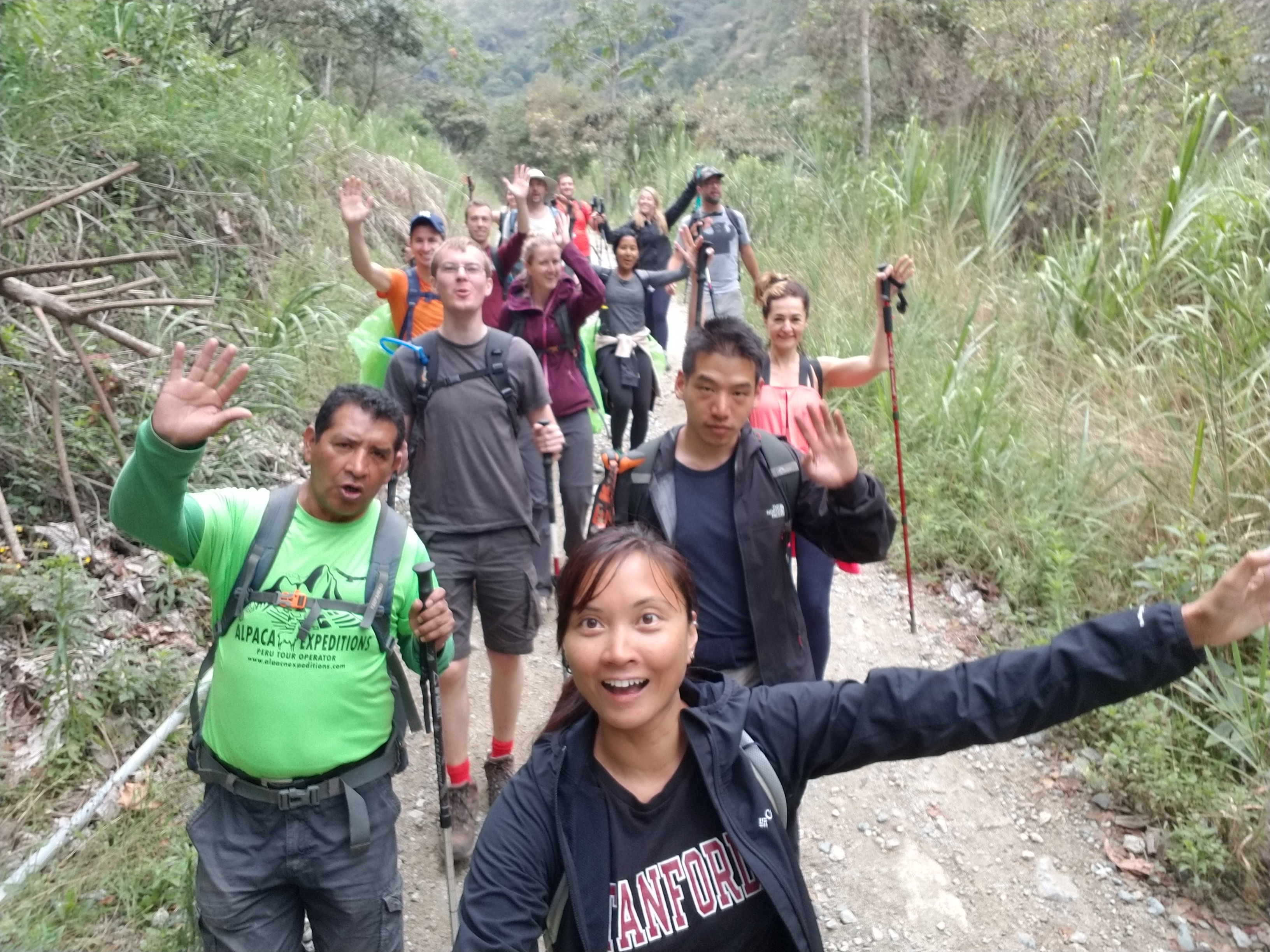
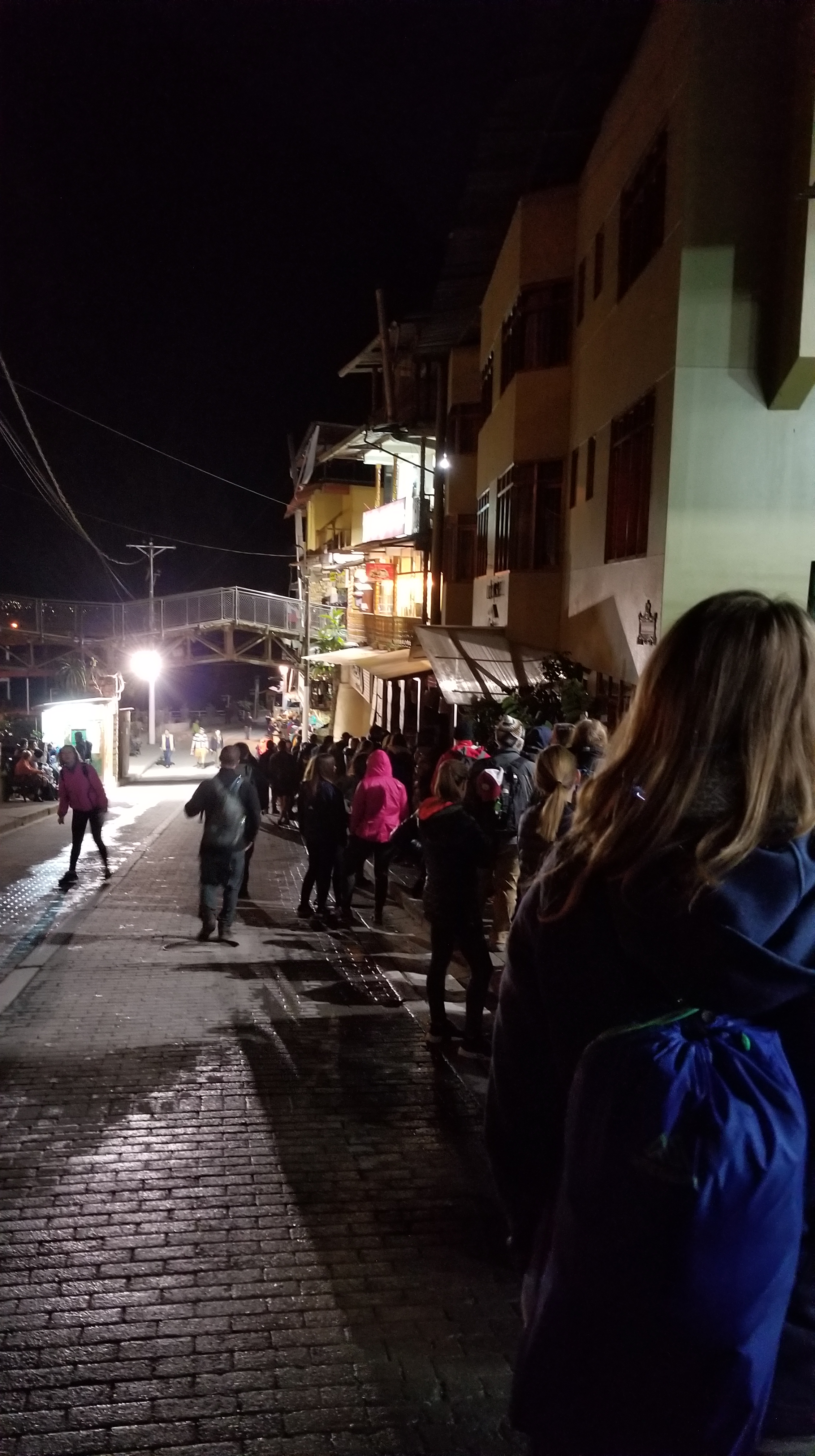
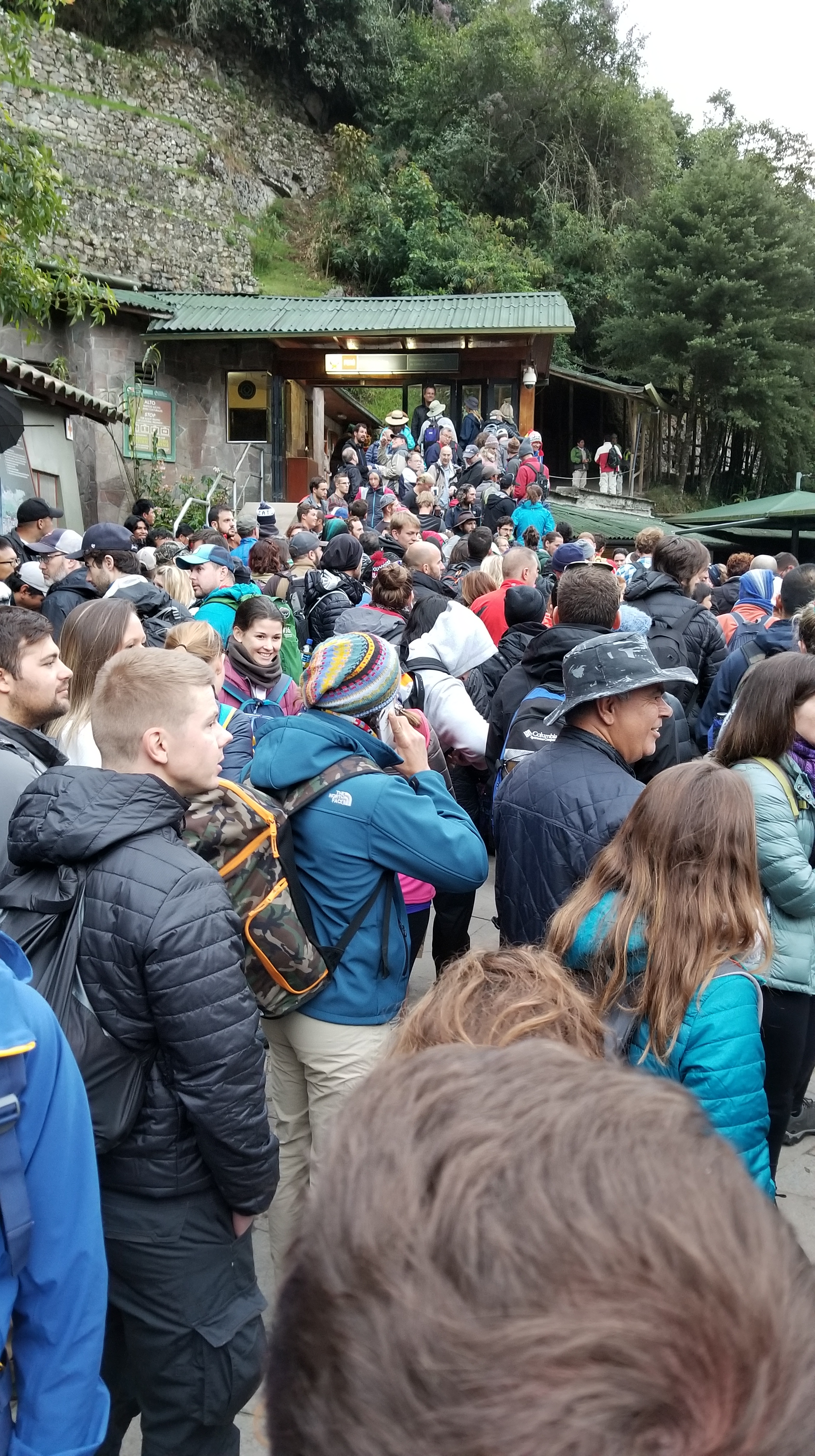
Day 5 – (Machu Picchu) – This was THE DAY. The day we got to see Machu Picchu. Thus, it was our earliest day as the line ups for the buses were intense. We got up at 3:30am to be ready for a 4am line up. The buses don’t actually start loading and leaving until about 5:30am. So it was a long wait, but definitely worth it to be one of the first into the gates at 6am. You also had the option of hoofing it up there yourself, after several days of hiking we opted for the 25 minute bus ride. A couple of our cohorts did opt to hike which I give them props for.
There are specific rules for Machu Picchu: These are the updated rules during Covid-19.
See Link: https://www.incatrailmachu.com/en/travel-blog/machu-picchu-new-rules-2019
- Everyone who enters must be accompanied by a guide (limit of 16 in a group)
- Maximum time for visitation is 4 hours.
- There is no re-entry.
- There are 3 time slots of entry: 6am to 8am, 9am to 12pm and 12pm to 2pm
- Current limits are 5,940 passes per day.
Keep in mind, if you purchase the Huayana Picchu Mountain hike, incorporate that time into your 4 hour time frame.
The rules were obviously slightly different back in 2017, but Alpaca Expeditions explained the rules to us well and we were well prepared.
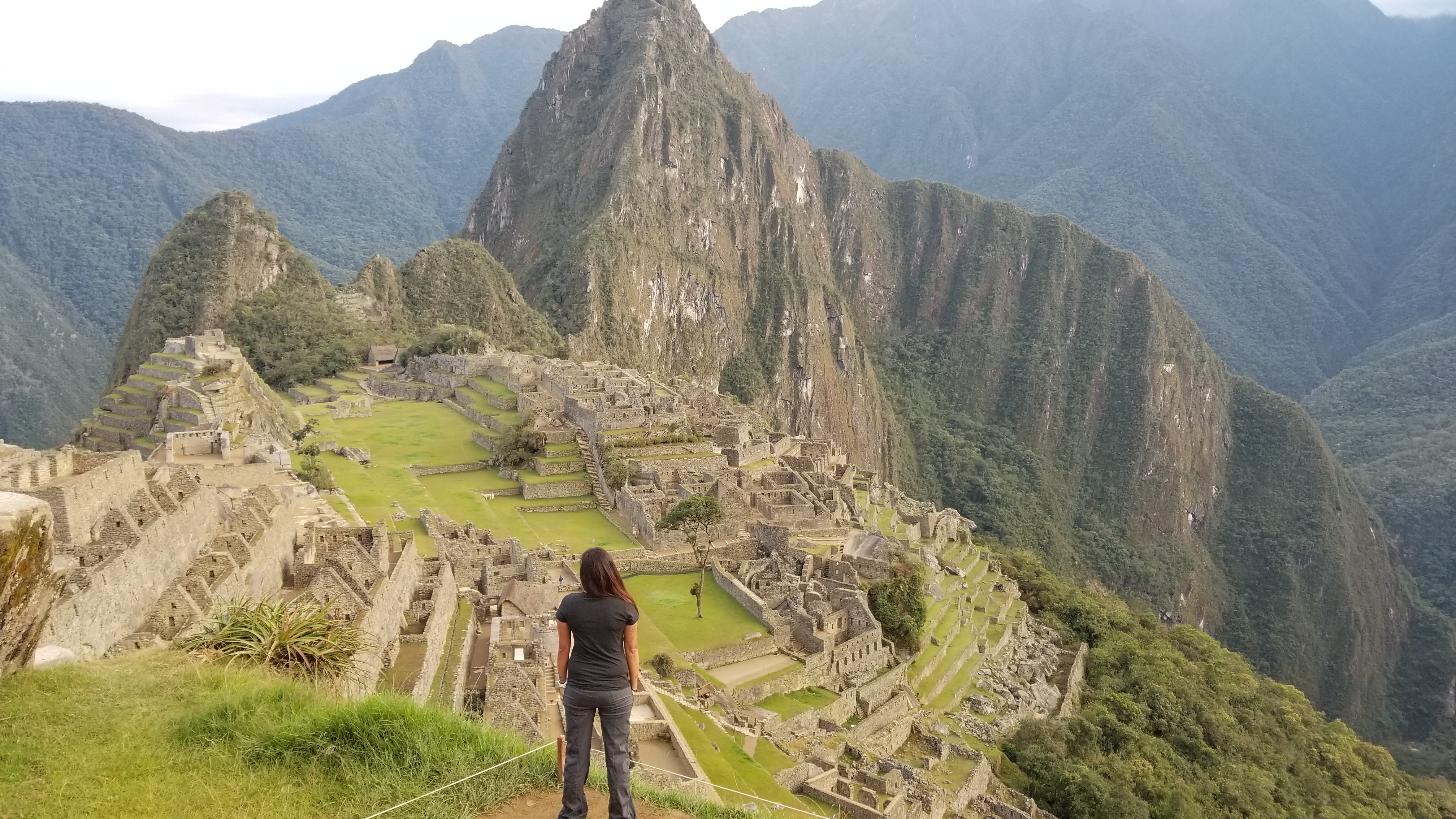
We had a 2 hour tour with our guides with lessons in Inca tradition and history. After that we were allowed to freely roam and explore these beautiful ruins. Truly, a wonder of the world.
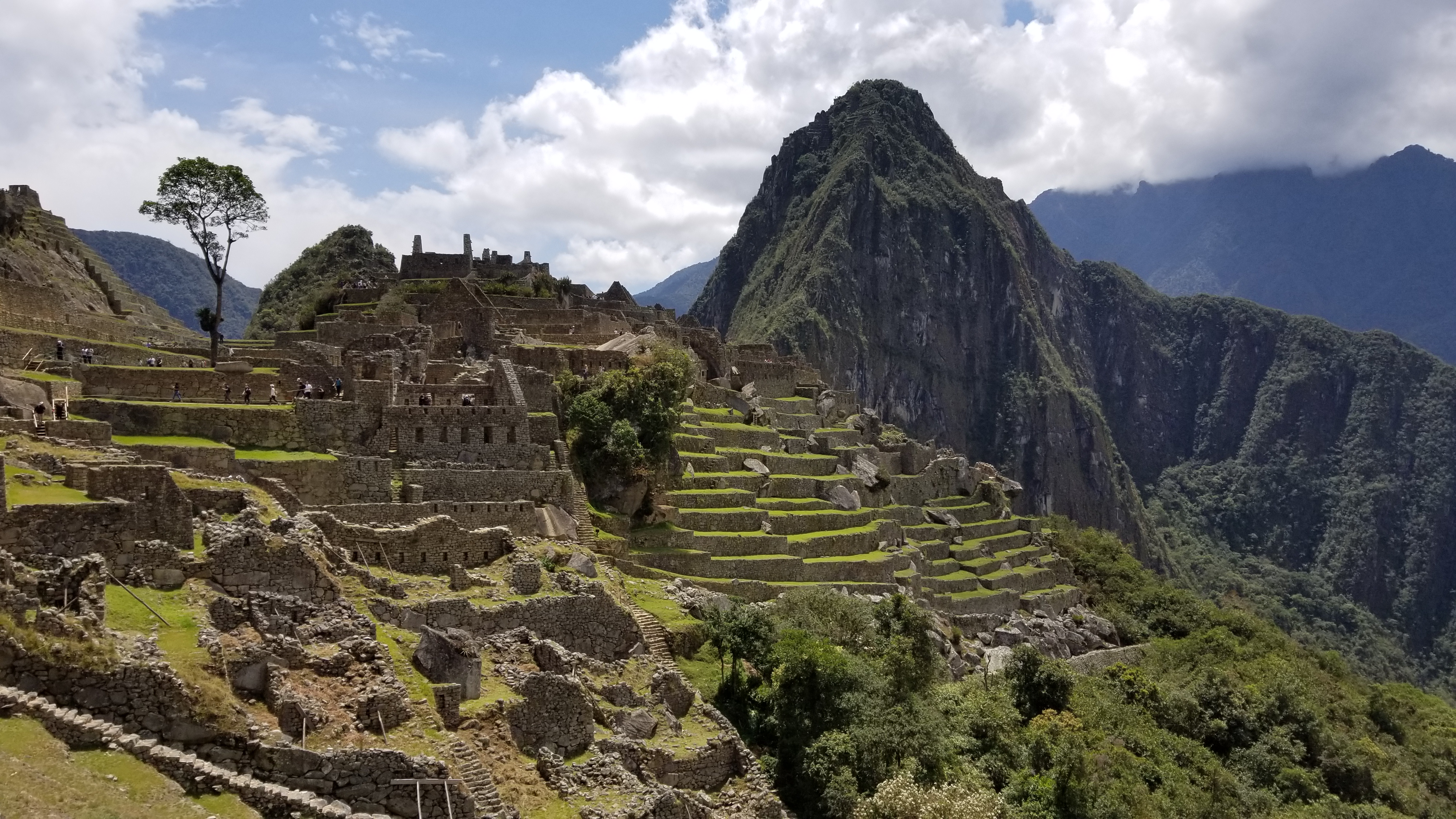
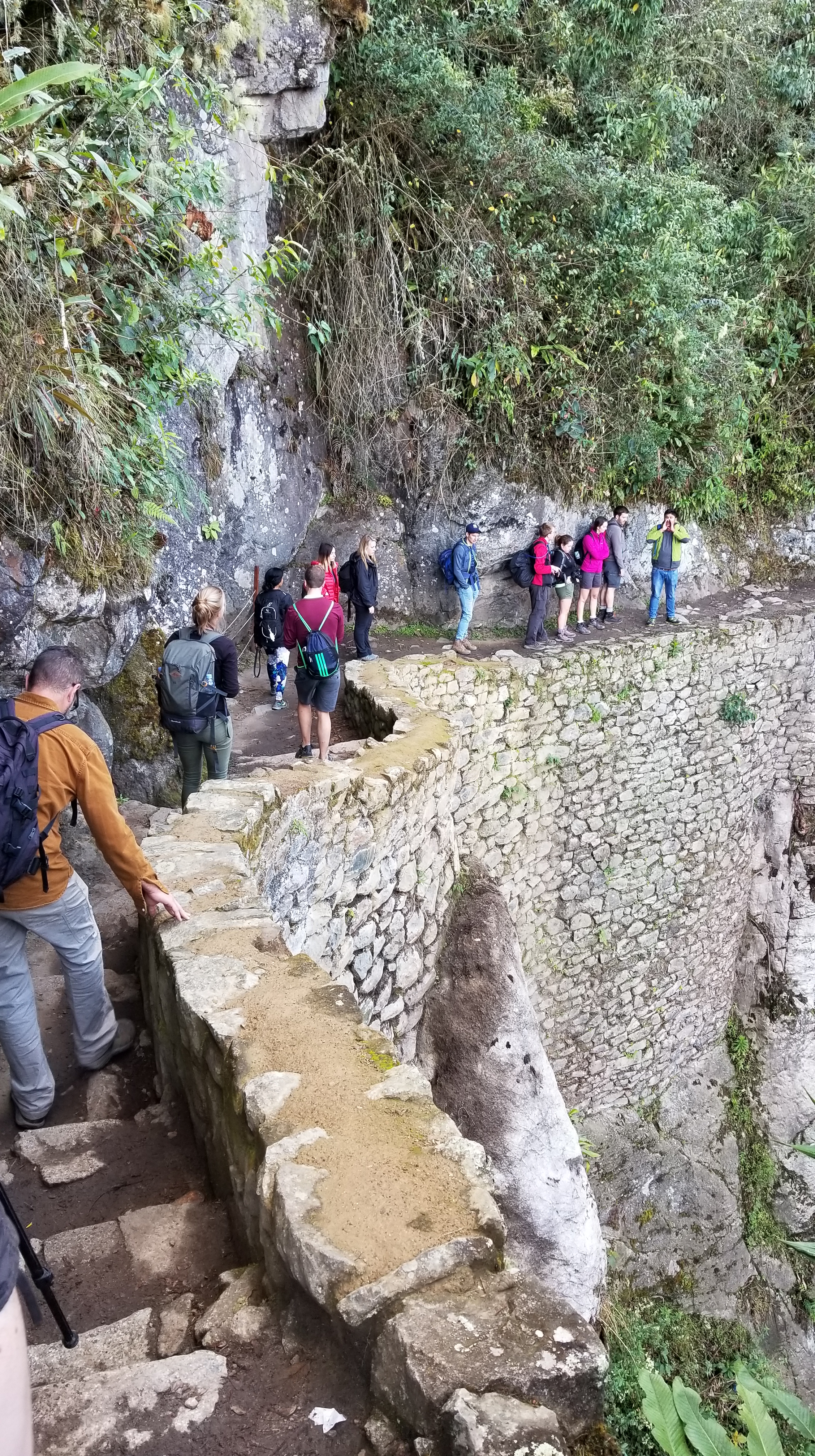
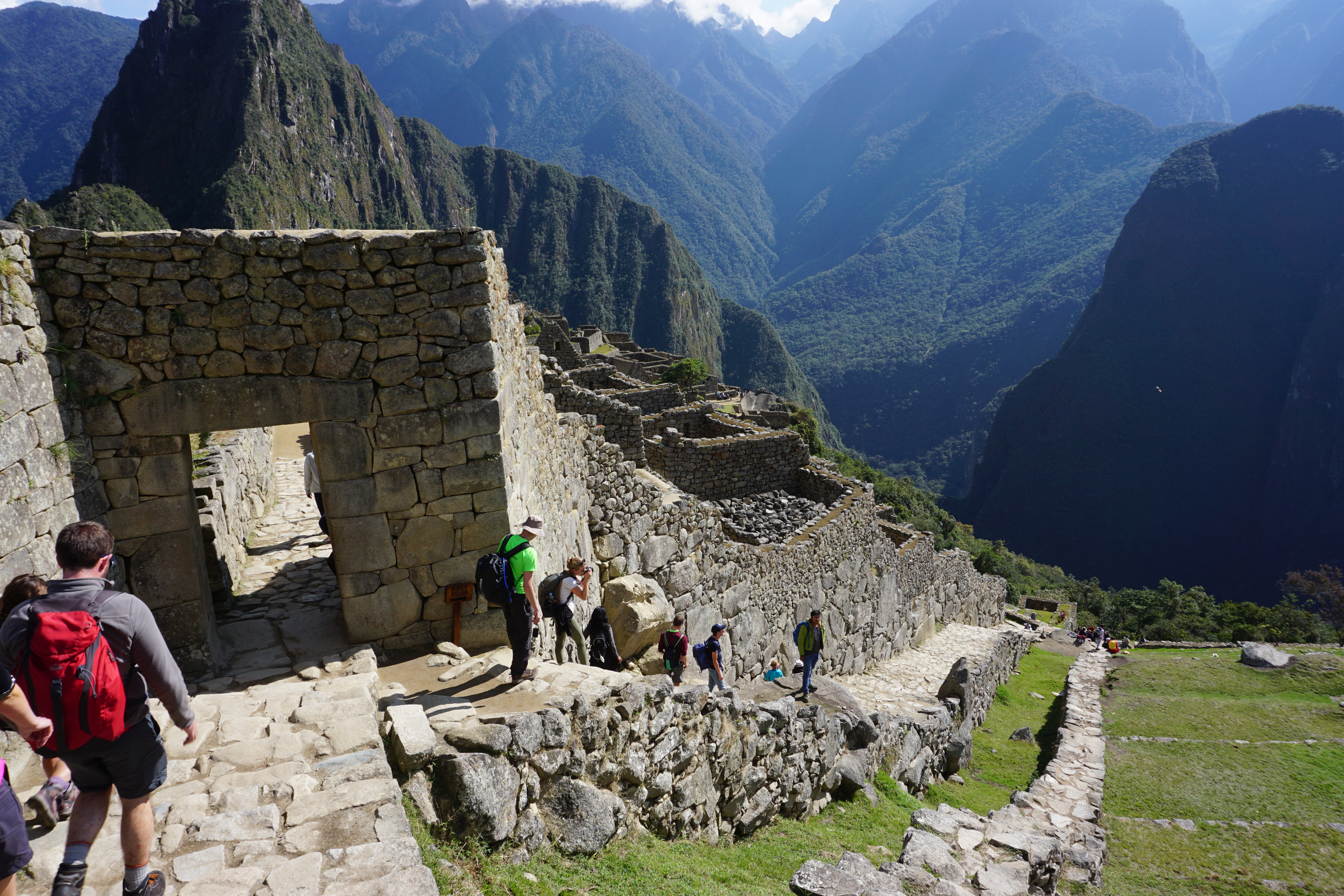
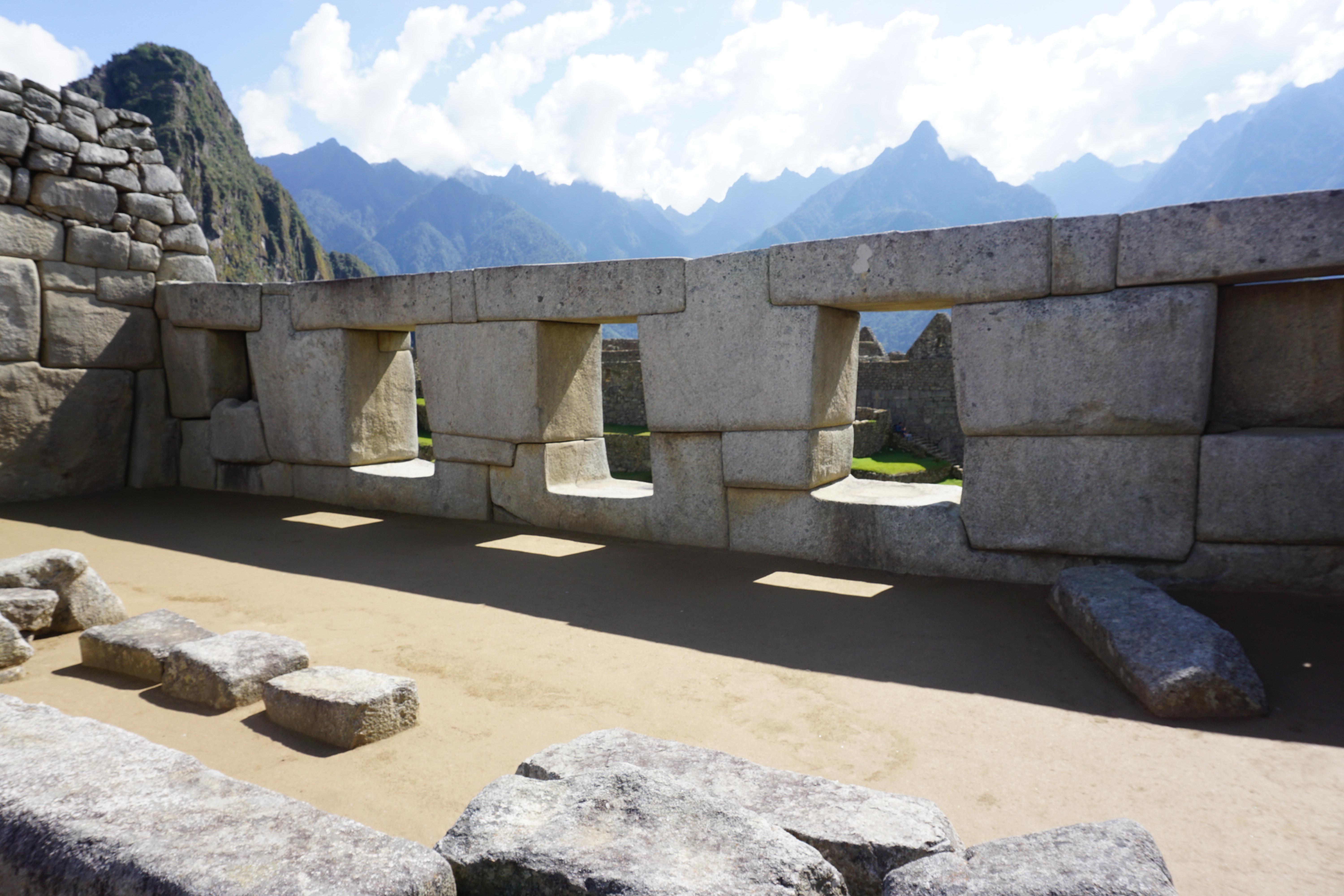
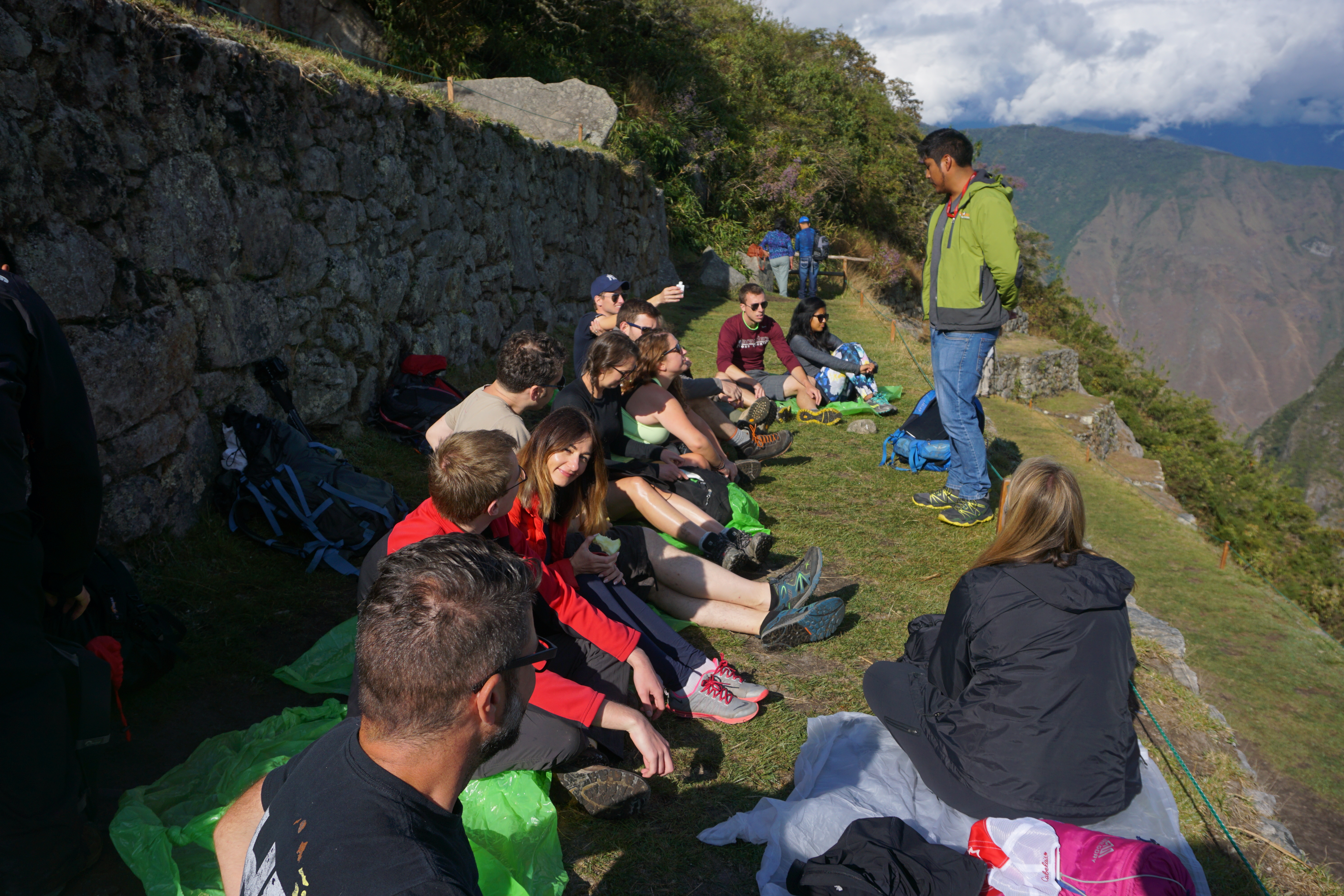
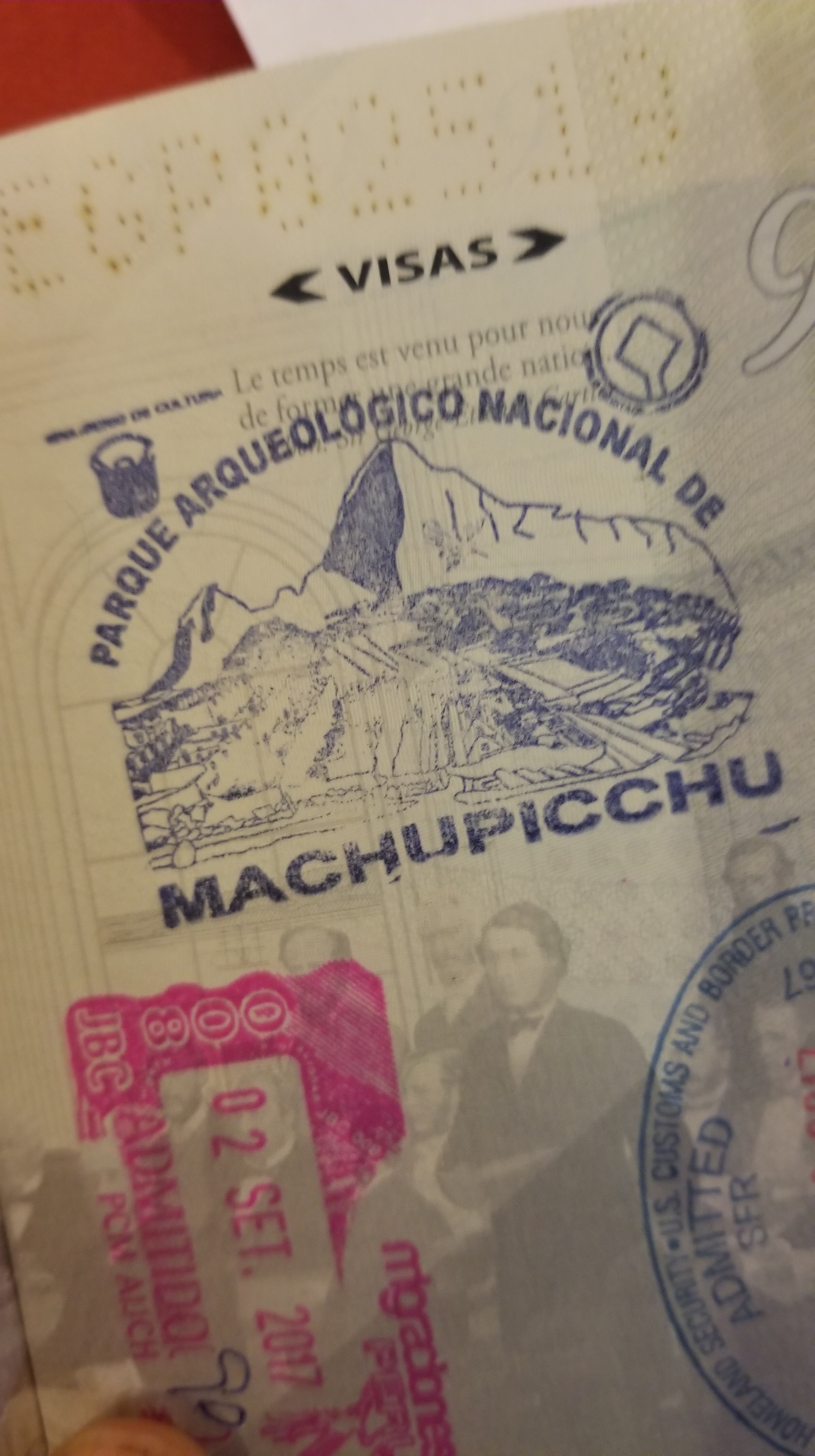
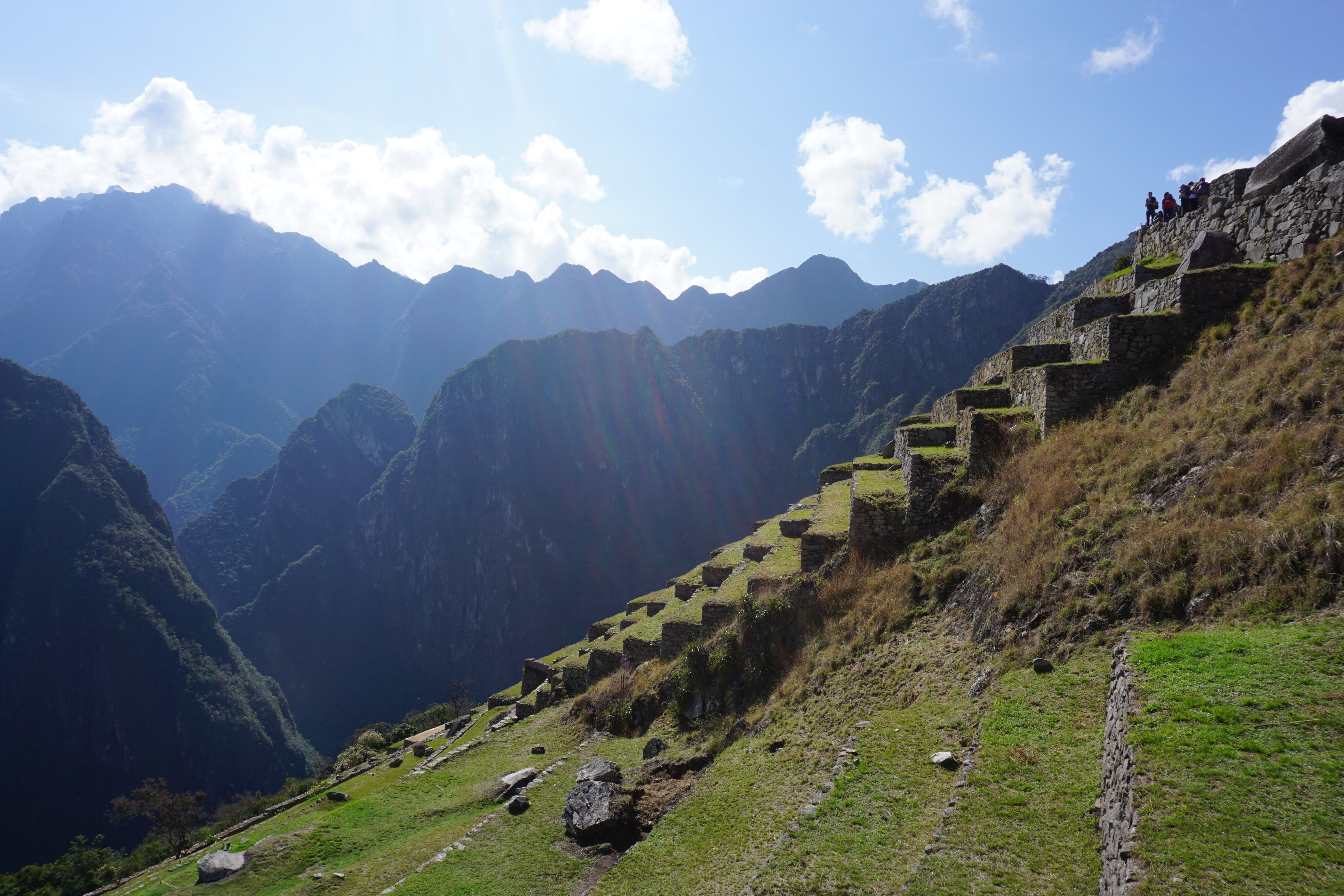
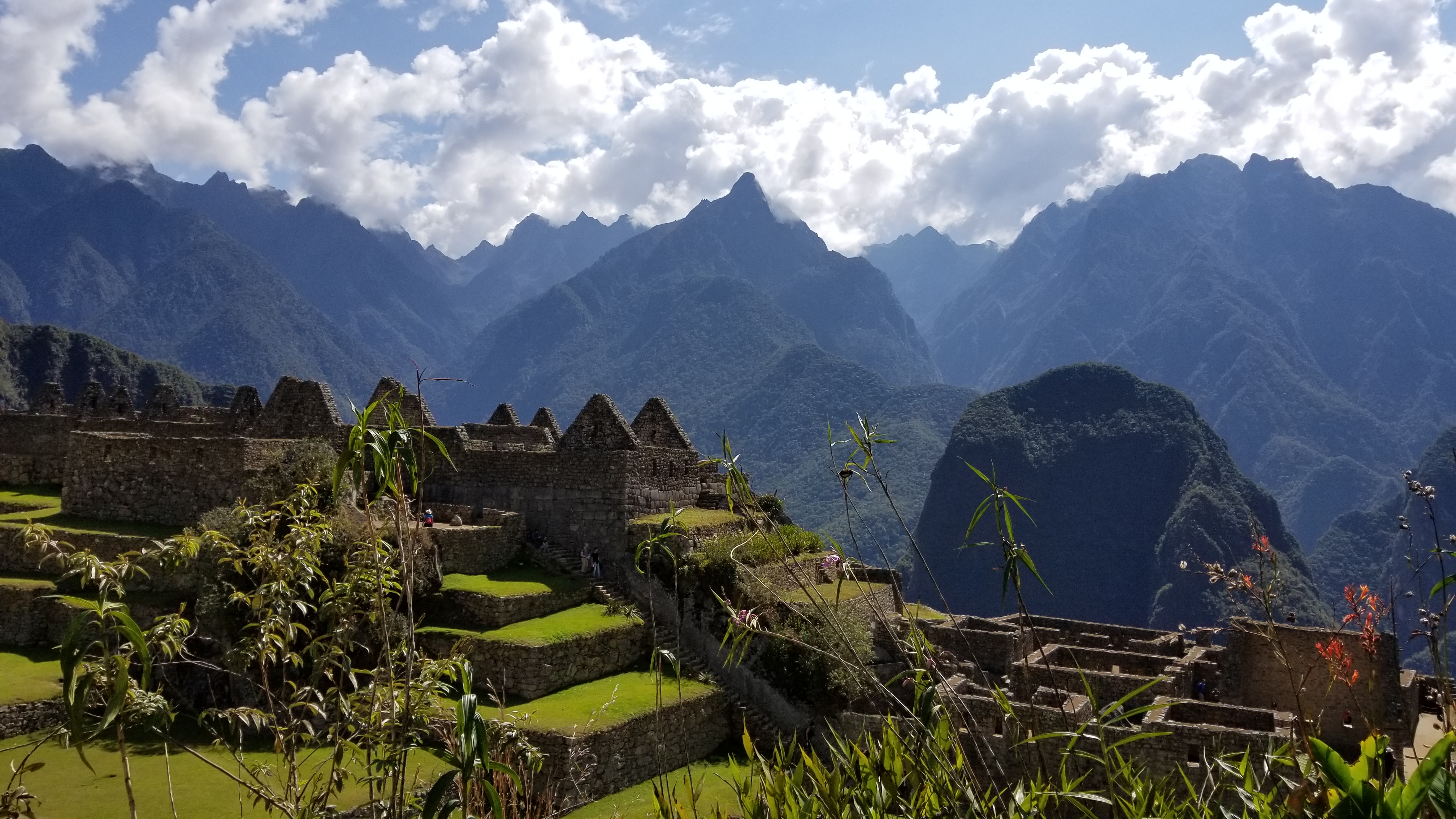
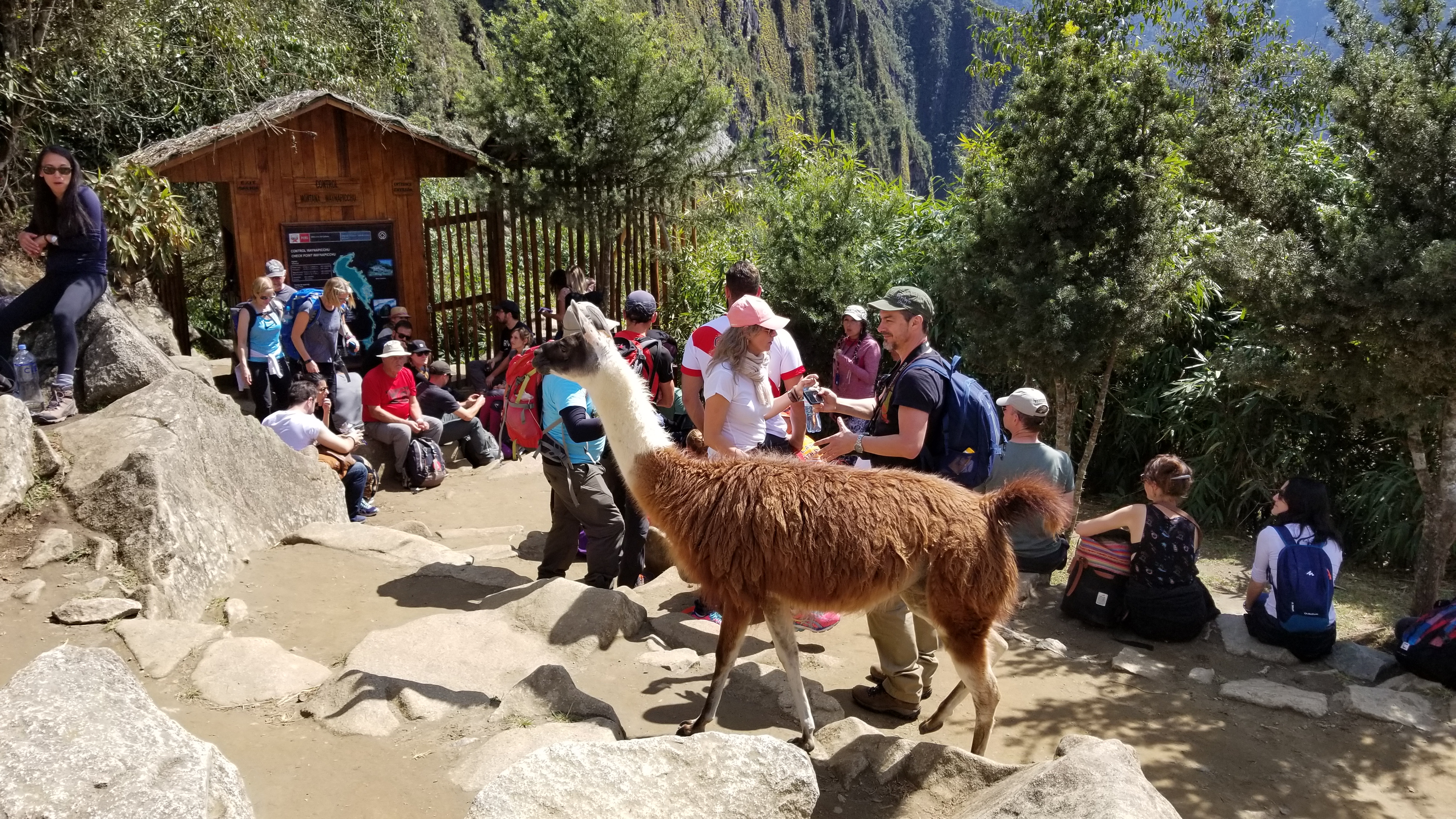
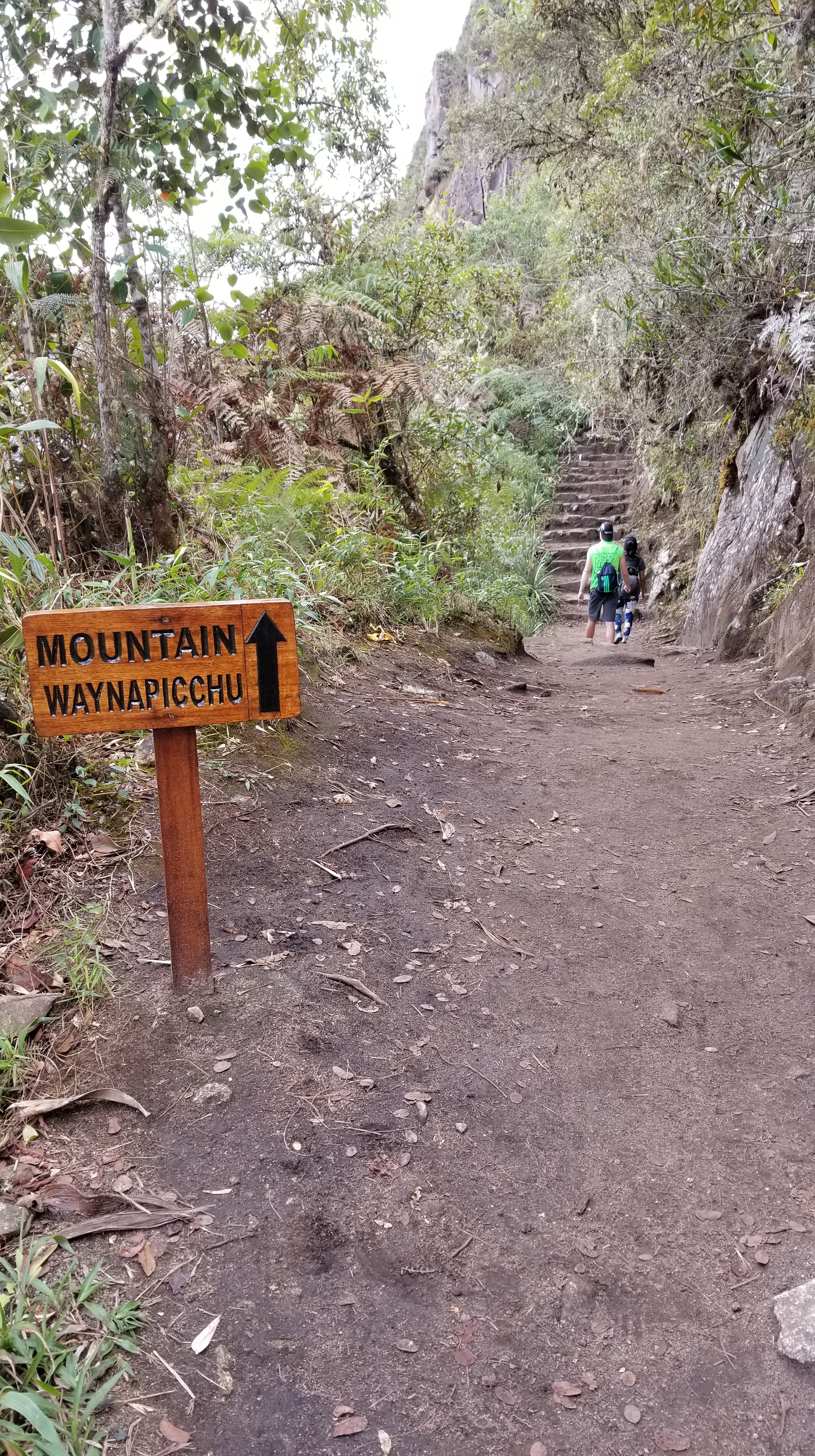
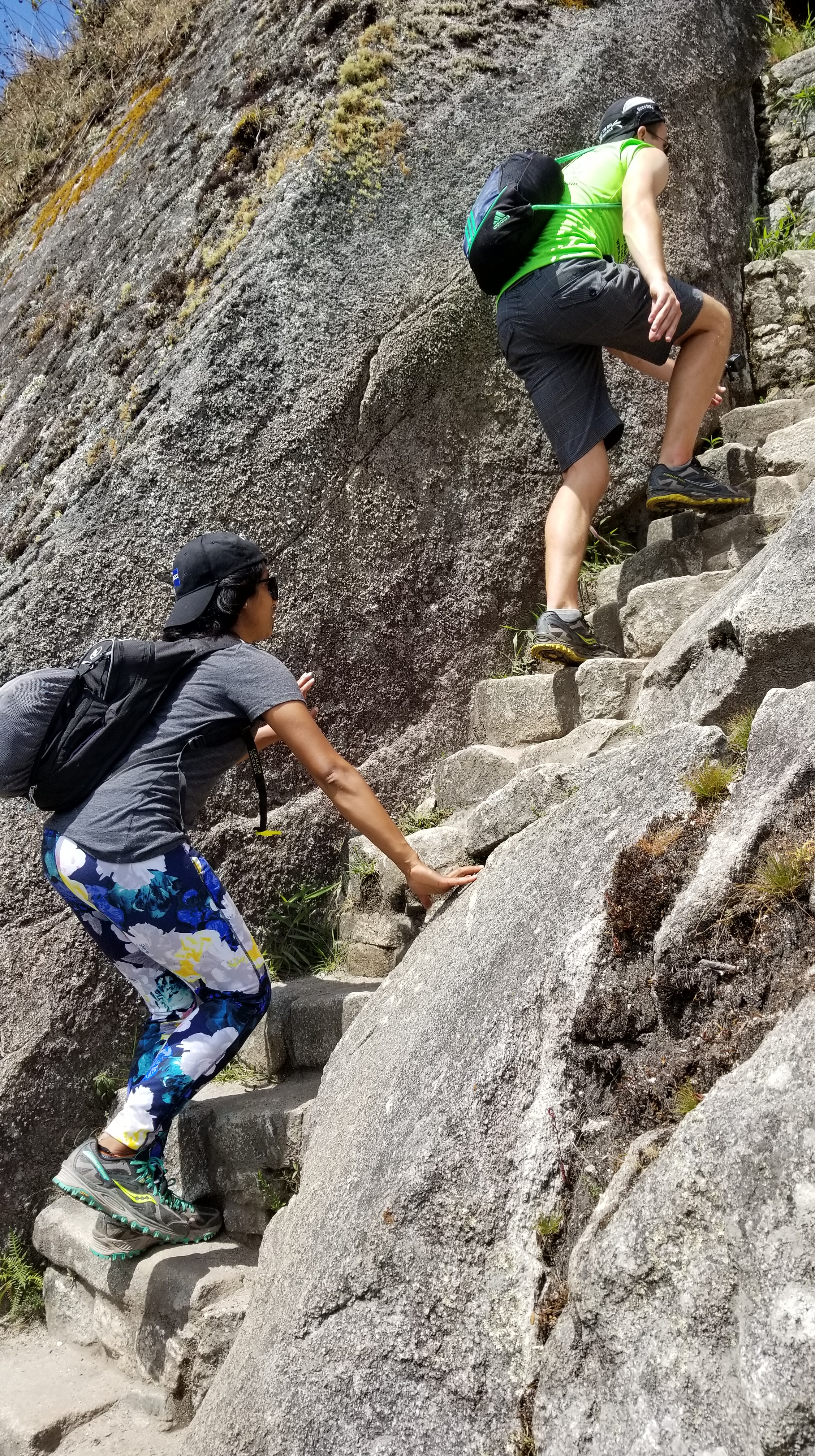
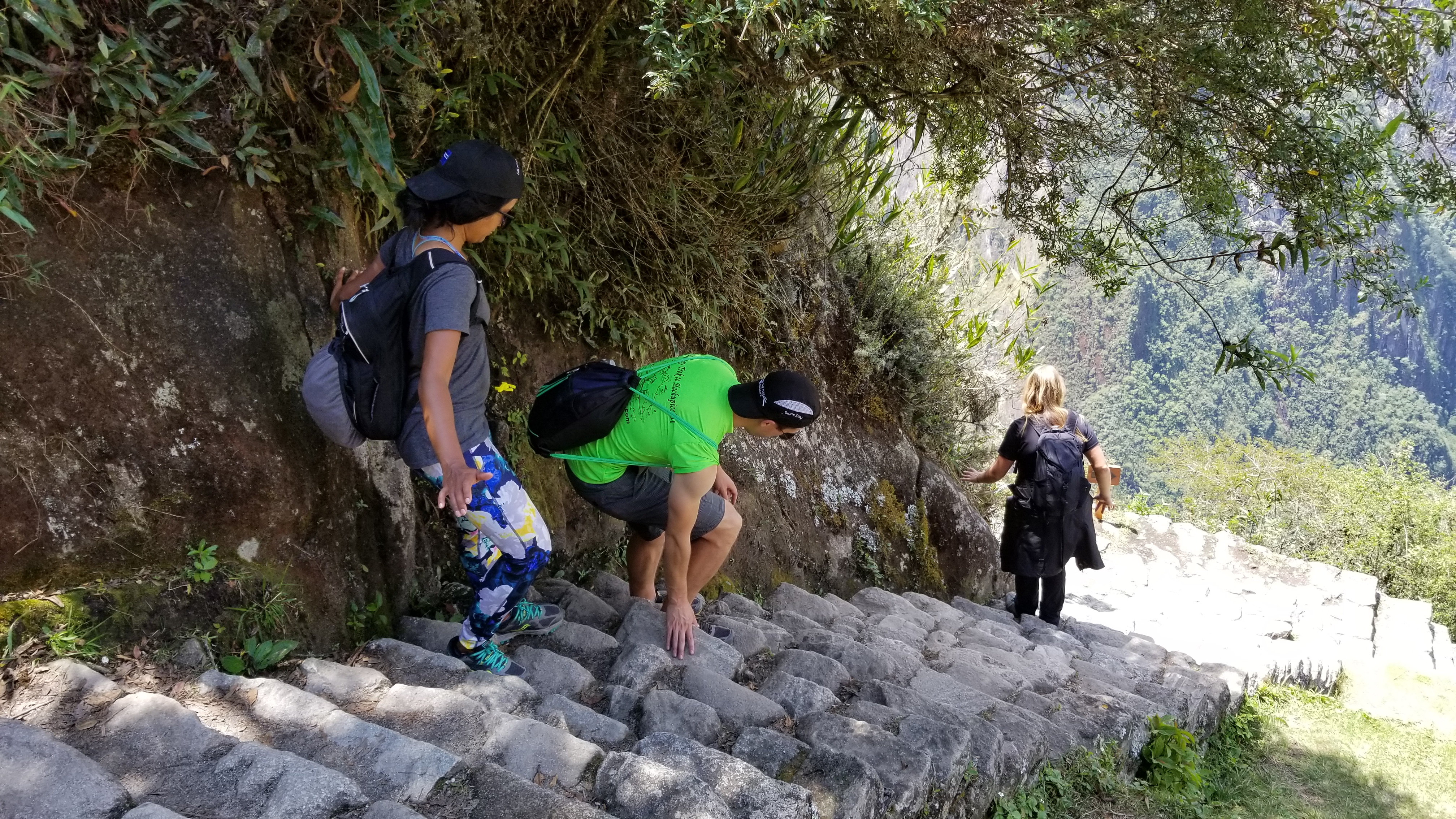
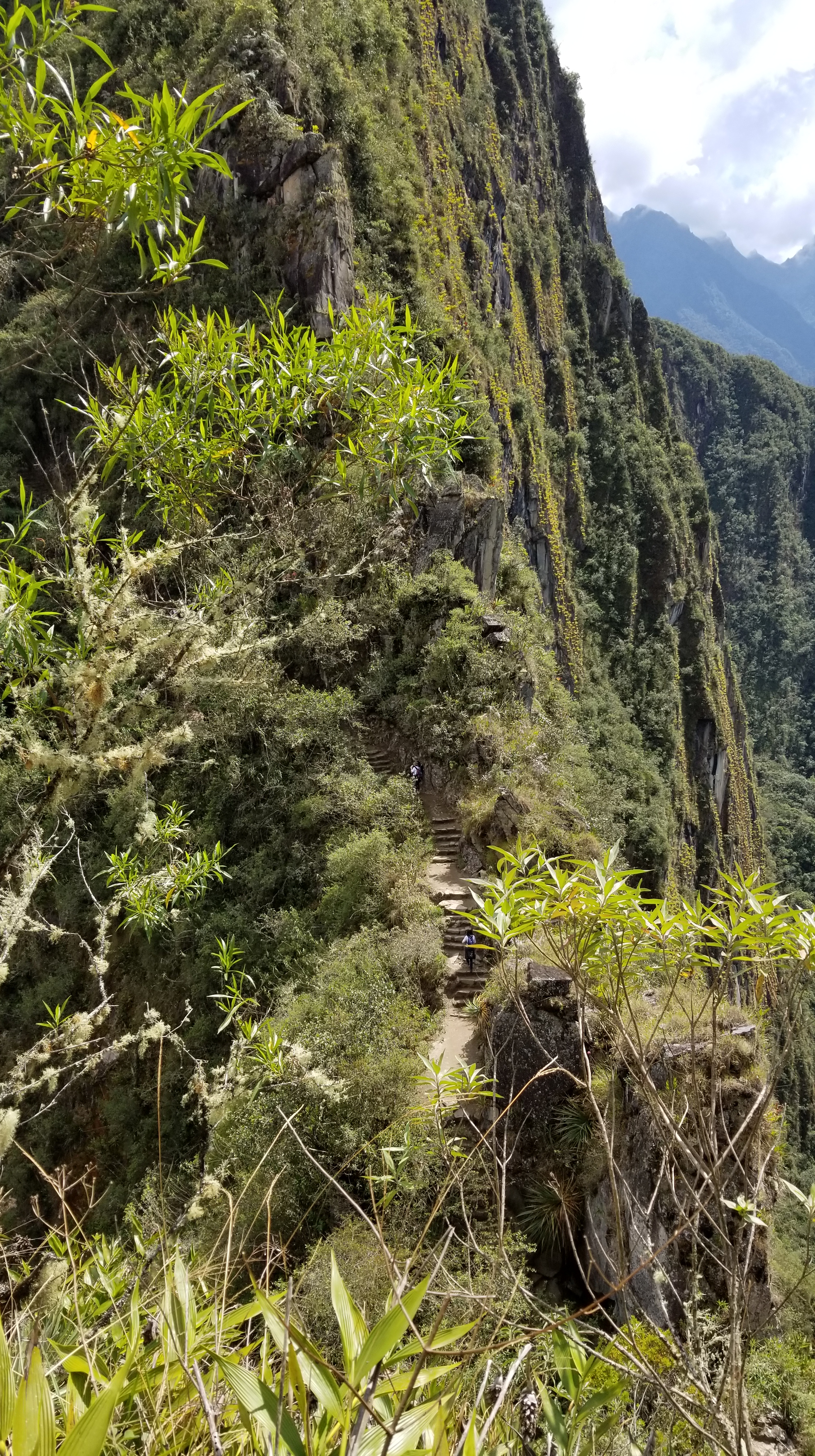
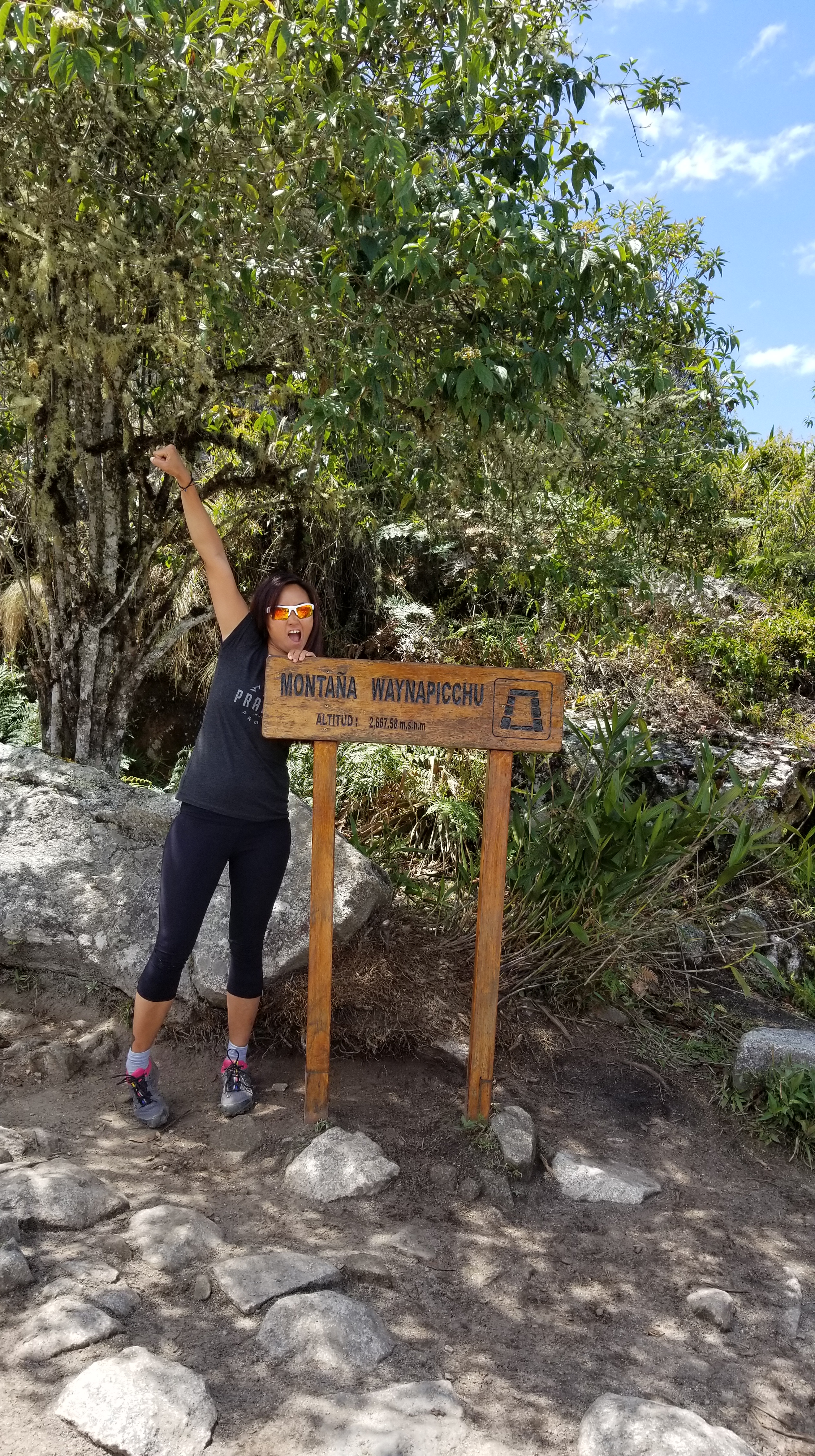
You also had a few options: hike to the sun gate, or the inca bridge. As well as another option to purchase an extra hike up to Huyana Picchu Mountain. A handful of us did book the extra hike and this was no joke, essentially straight up, but the views were breathtaking.
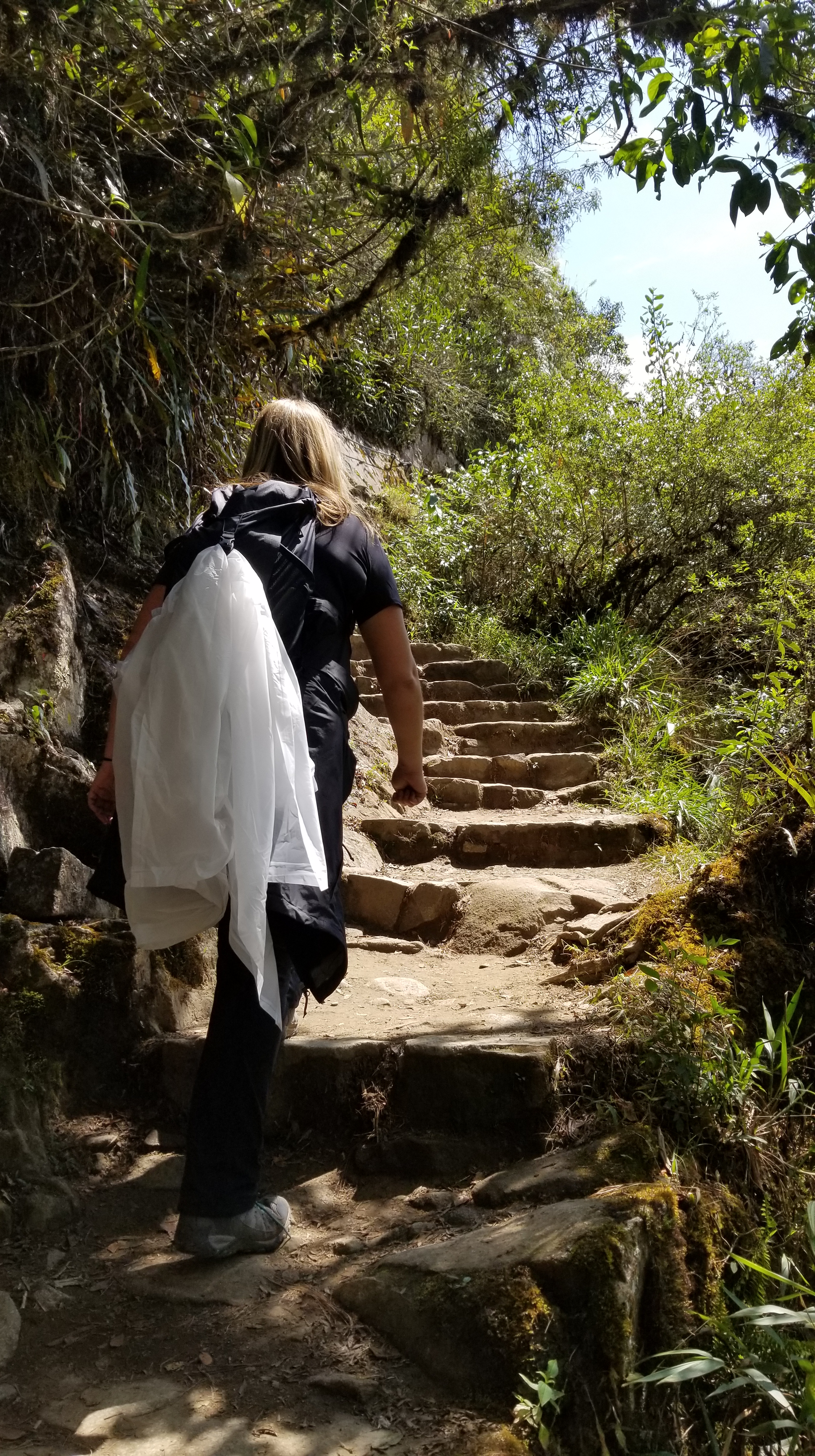
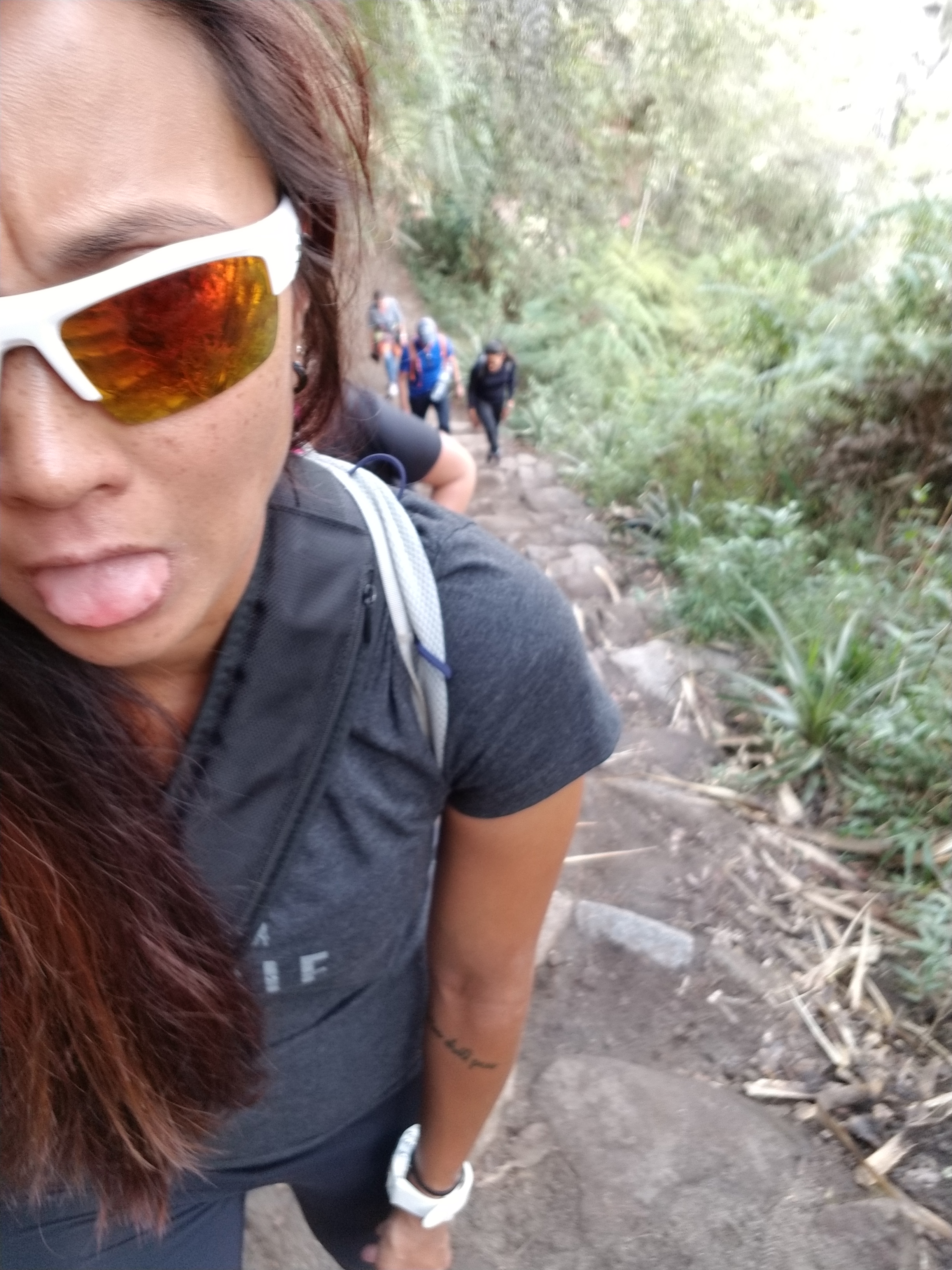
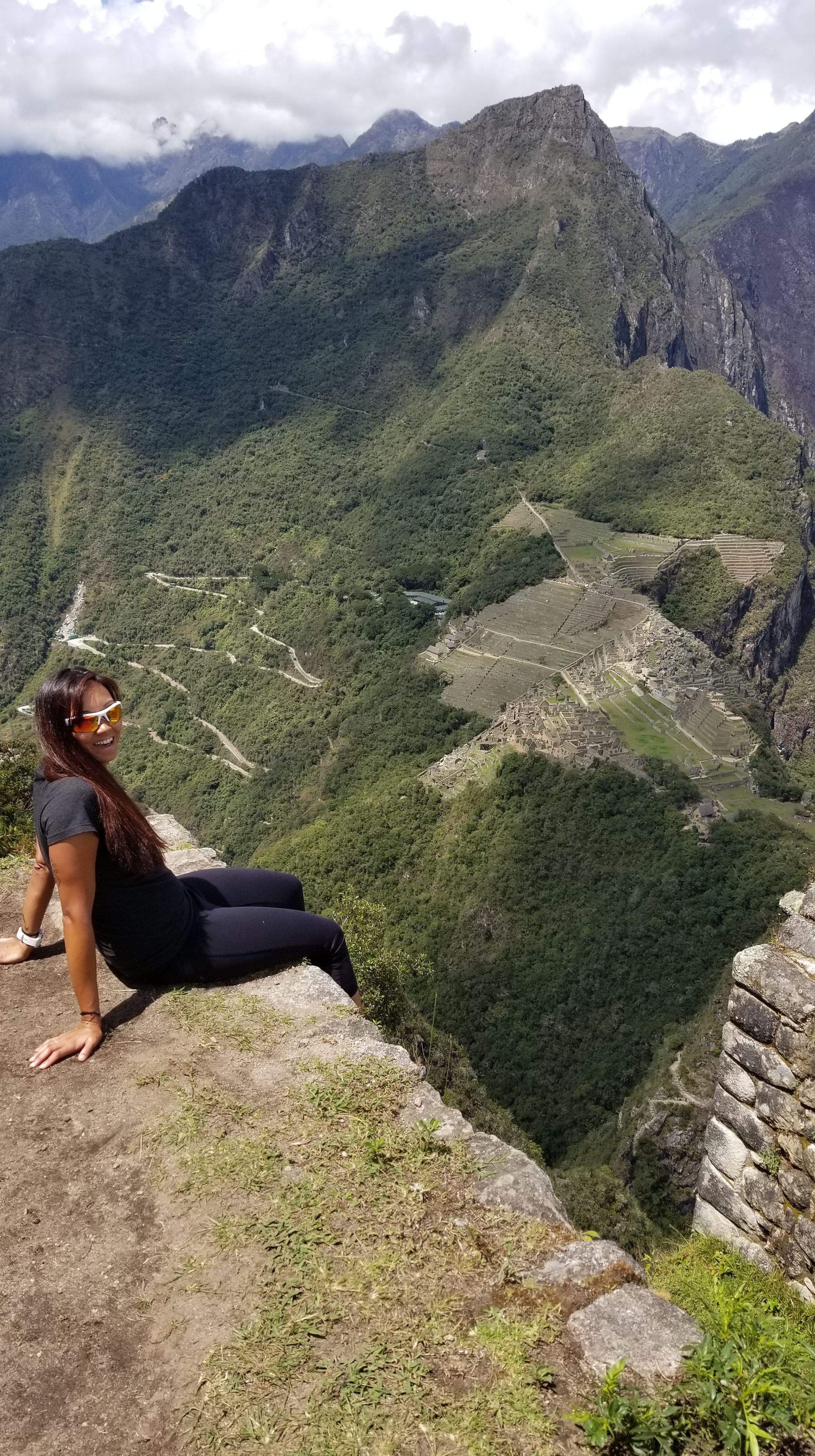
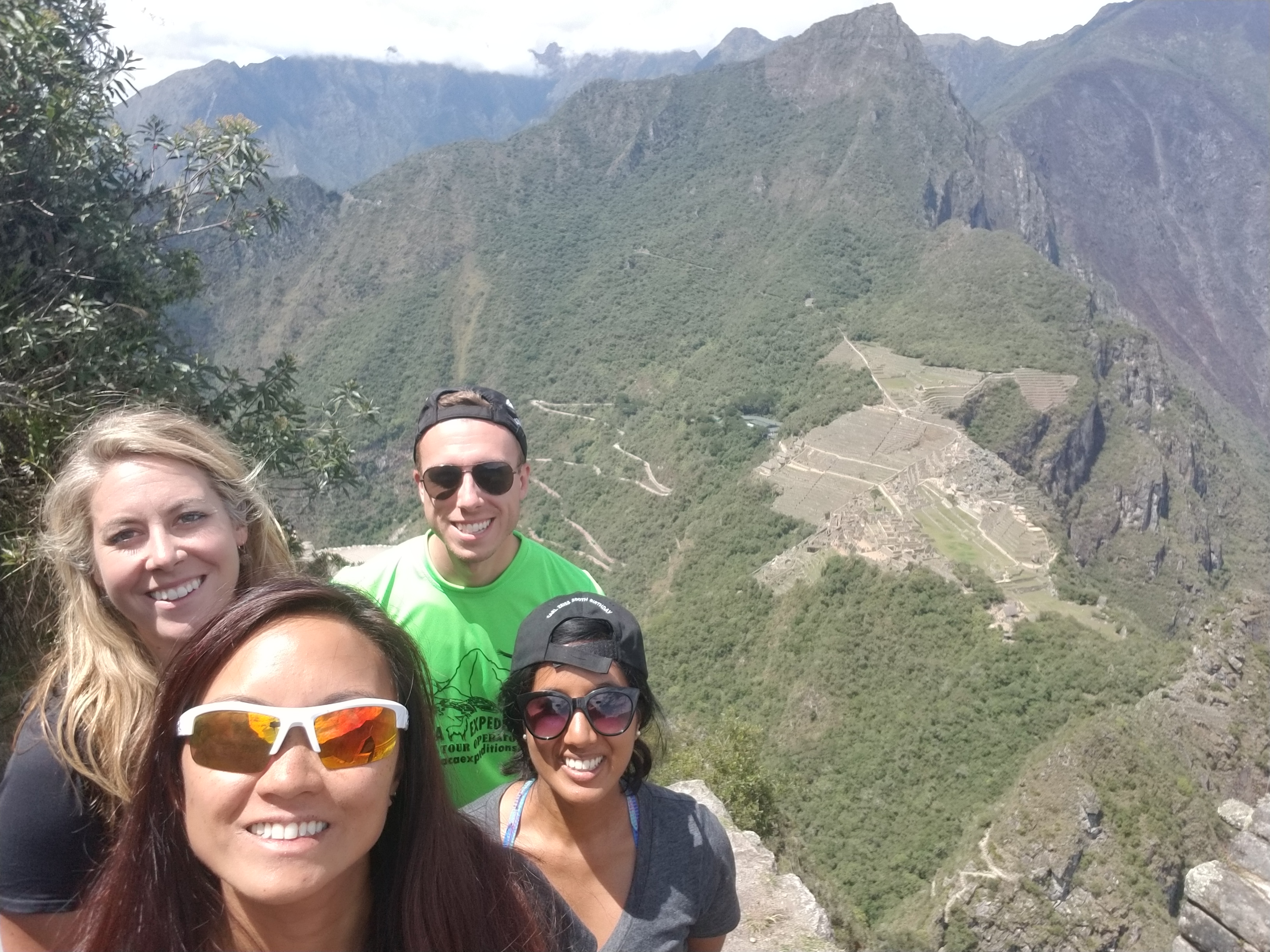
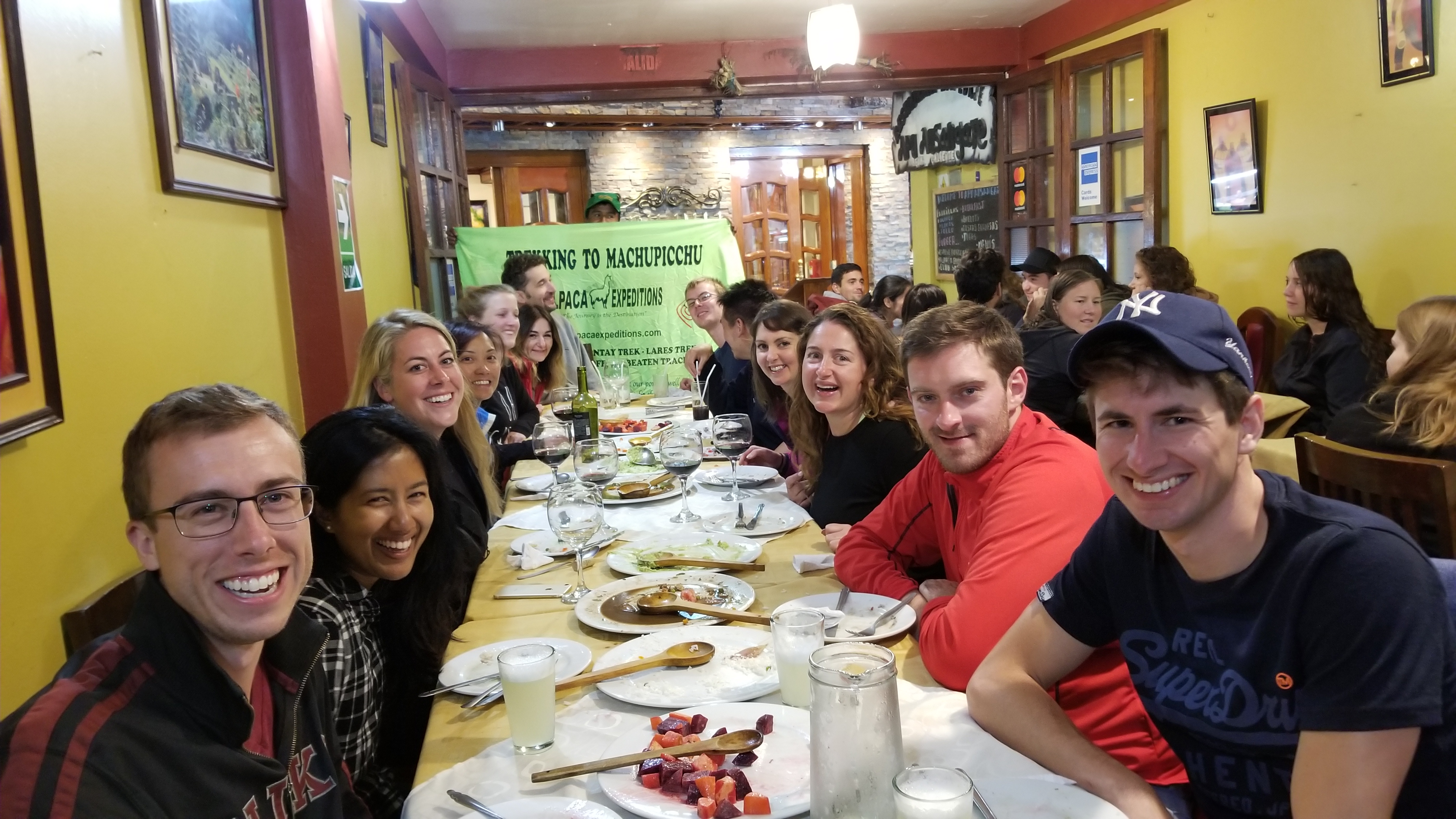
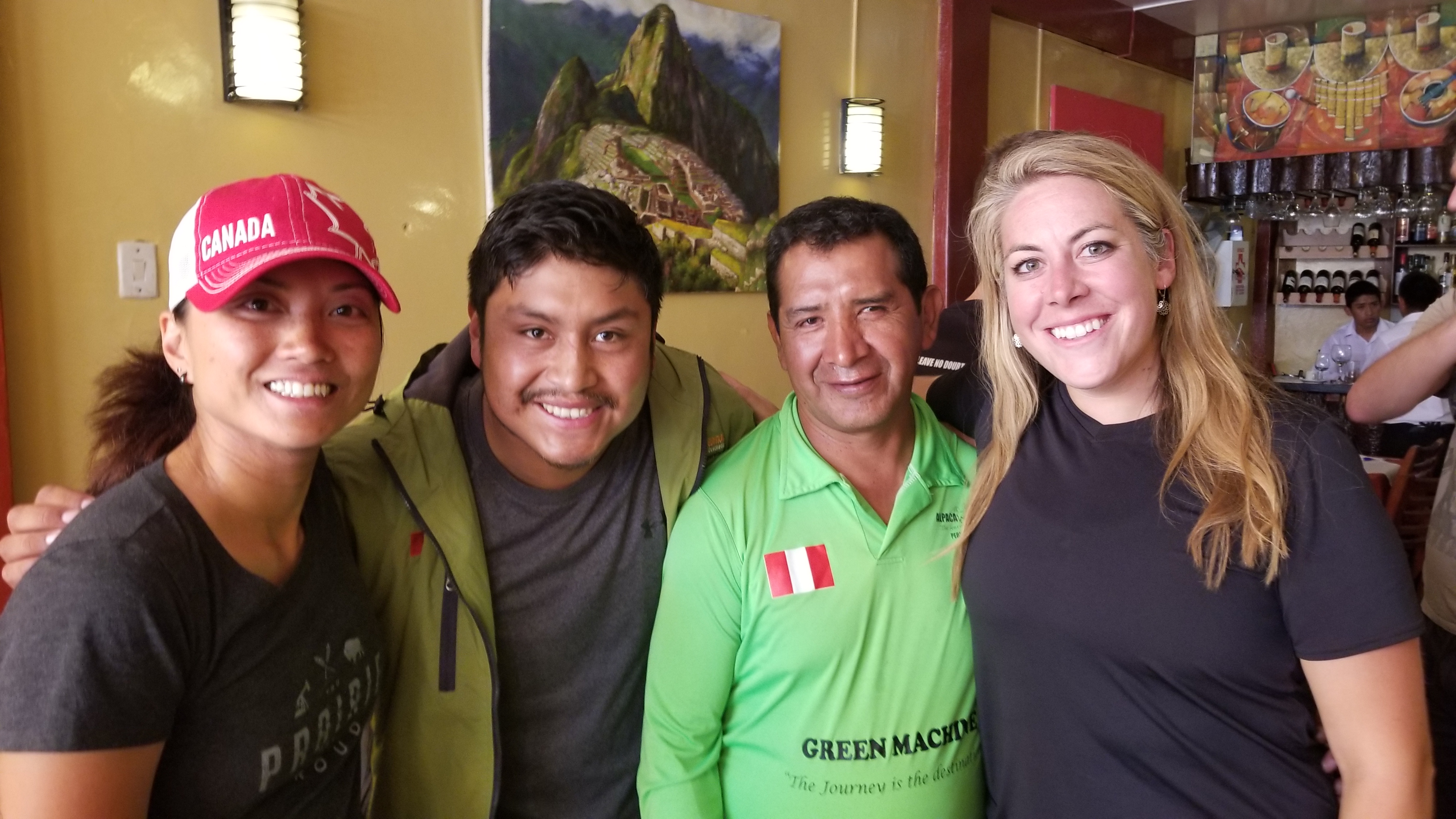
For me the experience was enriched by the amazing group of world travelers that were in my hiking group. After the tour we had lunch in Aguas Calientes and then boarded a train for a scenic 1.5 hour ride to Ollantaytambo. From there we had a bus take us the 2 hours back to Cusco and our wonderful hotel at the Encantada, where our bags were already waiting for us in our room and welcome pisco sours. The perfect ending to a memorable day.
As word of mouth is the best form of advertisement. Here is my shameless plug for Alpaca Expeditions. This 100% Peruvian company was well organized, passionate and support their local community. Many of the porters are from the smaller villages. The food was exceptional and the information about the local sites and culture was so interesting. Our tour guides were fantastic and I highly recommend them. GO GREEN MACHINE!!
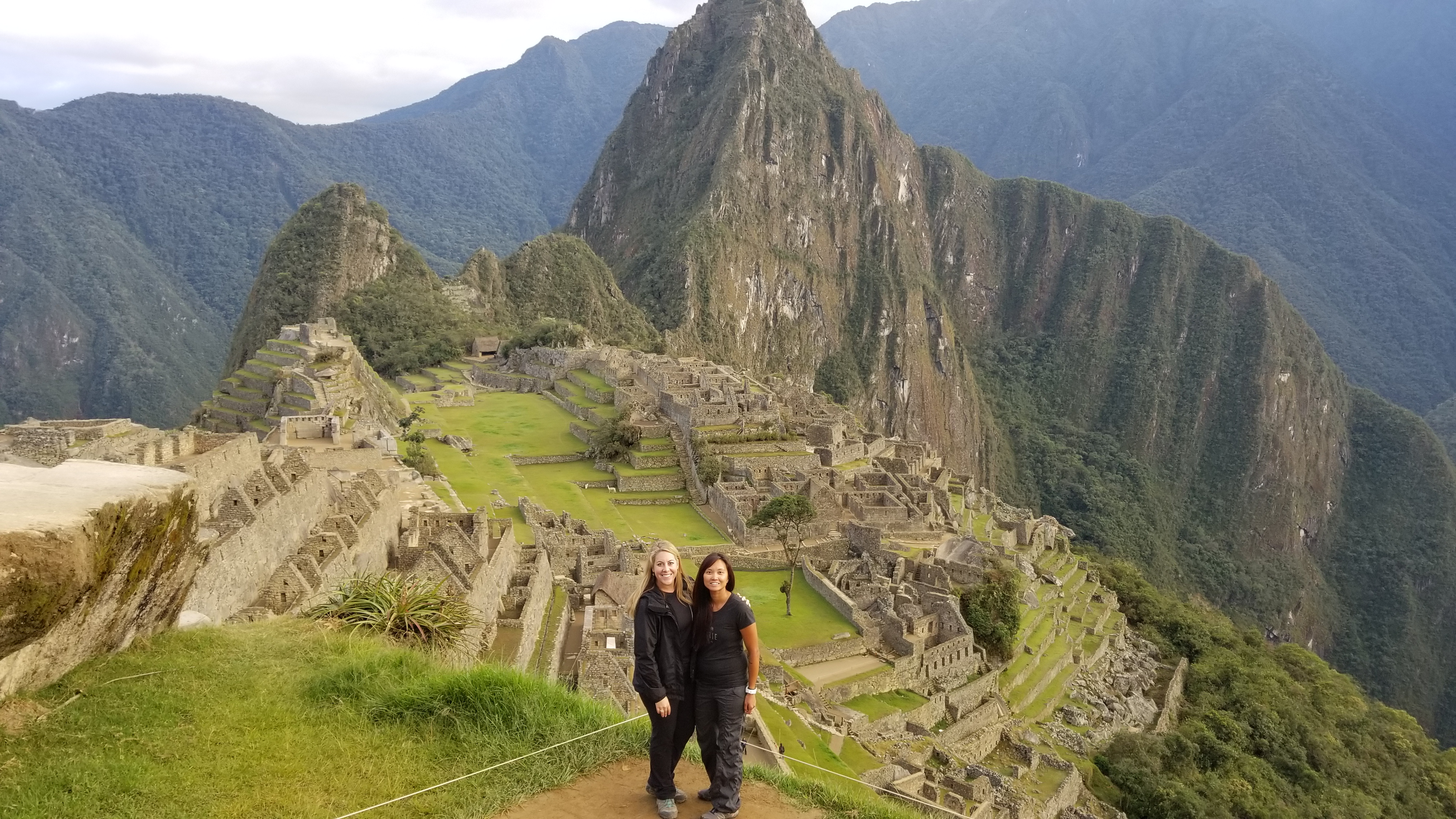
This was the amazing highlight to a memorable Peru trip. The rest of my Peru trip to follow…

