Uganda – Kampala (Kawempe) & Nangaiza
January 14th – January 27th, 2017
Olyotya!!
During this time of terrorist attacks and meaningless first world problems, I took a side step in my nursing career and finally committed to do a medical mission trip.
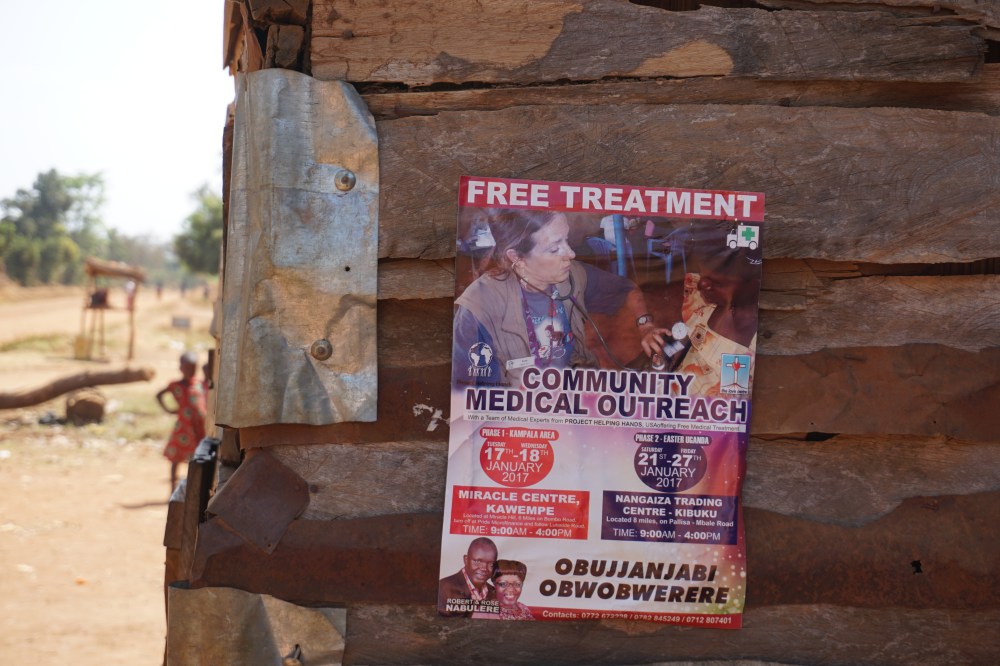
Project Helping Hands was first introduced to me back in 2006 when I took a CEN review course held by Jeff Solheim. He talked passionately about his organization and it stuck with me over the years. After 10 years of making excuses, I bit the bullet and applied to be on the January team for Uganda.


This adventure included 16 amazing individuals from several states across the U.S. most with prior experience with mission work. There were only a few rookie members on this team, me included. Our leader was Jean Proehl (that ER resource book in your department…she wrote it).
Uganda 
- ranked as one of the poorest countries in the world
- population 32 million
- median age of 15 years old
- 1.2 million in Kampala 39% live in absolute poverty and 43% unemployed
- many people live shantis in overcrowded slums with a population density of 14,000 people per square kilometer

Our first day we toured the Miracle Destiny School run by Robert and Rose Nabulere (our gracious hosts) as well as the surrounding community. We received a warm welcome from the children who performed a special dance for us.


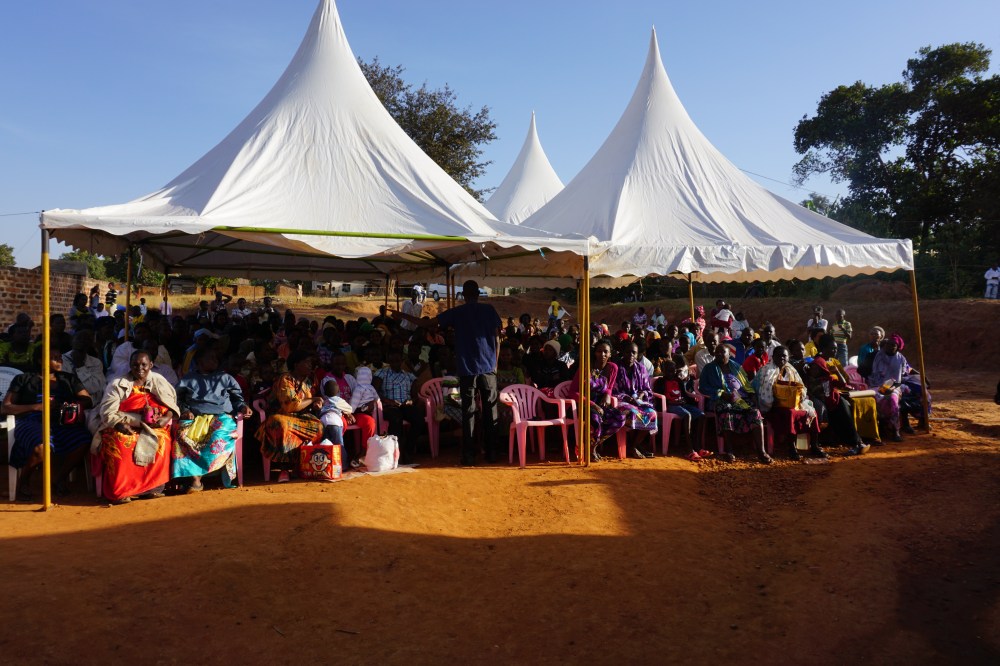
The clinic in Kawempe took place in a corrugated metal community center with curtained consultation rooms and exam rooms, our version of a CVS pharmacy. A “lobby” tent filled to the hilt with patients was an intimidating vision to see on our first day. We each were paired with a translator, assigned our daily roles and went to it. The clinic was a buzz with activity from triage, consultation, treatment and pharmacy as well as a reading glass station and a dental clinic. We saw over 200 patients a day in an 8 hour clinic day, which is more than most ERs see in a 24 hour period.
Mostly chronic conditions:
- back pain – from poor posture during daily chores such as sweeping and cooking
- watery eyes – from cooking with coal in enclosed spaces
- abdominal pain/ulcers – from worms and from eating only once a day
- “rashes” – from ringworm and cleansing skin with laundry detergent, cause its cheaper
- malnourishment – drought conditions making food sources scarce
- a ton of Malaria cases
The first day of clinic was busy and at times overwhelming from duties ranging from triage to treatments, discharge teaching and pharmacy. I always wanted to be a pharmacist one day, I finally got my chance.


The conditions were tough at times with the heat and staying hydrated was a priority for all of us. Little did I know but my extensive “MacGyvering” skills were put to good use on this trip, from makeshift aerochambers, foley catheters from IV tubing and duct tape IV poles. You just make due with what supplies you have at hand. Thinking “outside the box” became an important skill.


Extraneous environmental conditions can make already challenging tasks even more cumbersome. For example, starting an IV in a malnourished 3 week old baby (already a challenge) add in a dark consultation room. Having to have the mother hold the baby in the sunlight shining through the window was a new one for me.


We held 2 days of clinic in Kawempe then packed up and headed 6 hours northeast to rural Nangaiza where we had 6 more clinic days ahead of us. We stopped in Jinga to see the head of the Nile, the longest river in the world at 4,135 miles long.


Malaria and malnourishment was more rampant in the this area. The impact of the drought more evident as once lush green rice fields just a year ago were dry dusty dirt patches today.


The heat and dust seemed more extreme in Nangaiza. Anti-malarials were passed out like candy, almost as often as we passed out Albendazole for worms (which was practically everyone) as it is an endemic problem in Uganda. Even the PHH team members received parting gifts of Albendazole tabs (just in case).
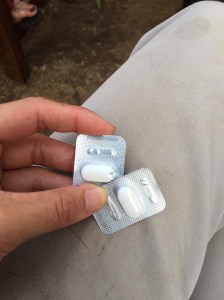
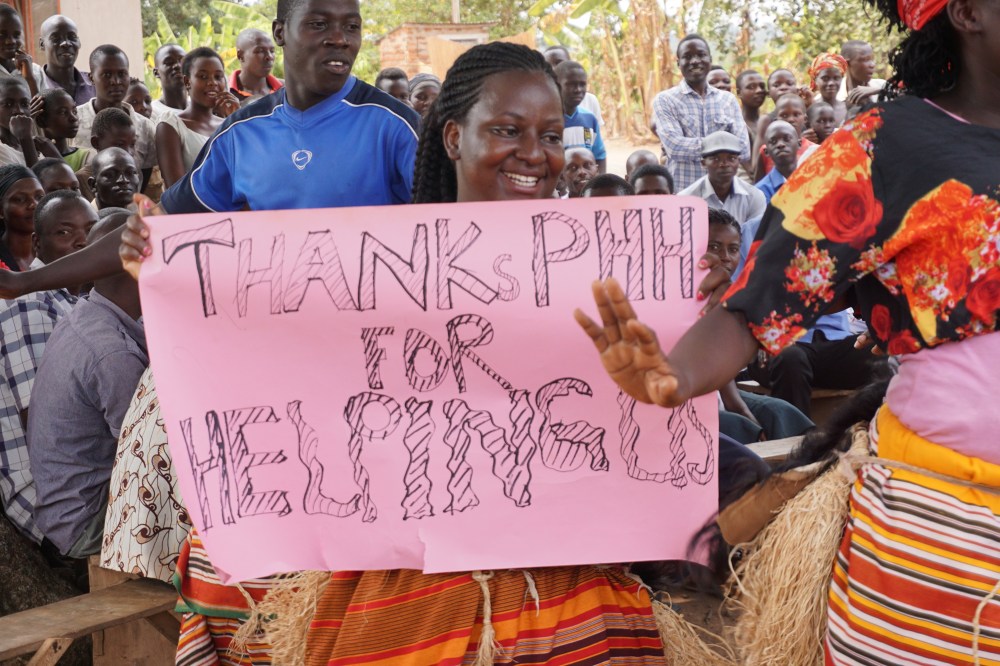
We saw over 2,000 patients over the next 6 days. People waited hours in the heat with only a meager tent to keep the blistering sun off of them. Despite these conditions the patients were grateful and kind, seeking whatever help we could provide them. I will always remember the faces and the sheer joy on their faces to see the Mzungus (white people). Despite their hardships and lack of resources available, their smiles and laughter were a sight to see and true testament to their strength.
I had some memorable ear excavations (thanks Sarah), and foley encounters (indwelling foley placed a year ago – thanks Raelene for taking one for team and d/c’ing that one, and BTW he wasn’t septic…process that one) . There were more IVs started on this trip than any other PHH visit, thus showing the impact of what this drought has done to the local people.


The biggest challenge we faced was trying to make a lasting impact on the community. Locals view the quality of their medical care by the different “tablets” they get. To try and alleviate this misnomer we attempted to put the emphasis on education. Teaching them how to avoid their symptoms and change their behaviors. It was challenging at first, but one of the most rewarding things to see was the ownership our translators took of the discharge teaching station by the third day of clinic they were doing the teaching themselves. Definitely a proud moment.


Two areas we focused heavily on in the education department were the JAJA’s (the grandmother’s) and their impact on the local community. By educating them they could educate the rest of the community as well.


The other group we focused on were the young school age girls. In Uganda, access to any form of feminine hygiene product is very limited. The impact of a period to a girl in Uganda is much different in that she will choose to miss school due to this monthly issue and increasing the chances of her not returning. This will have long lasting effects on a young girls future, to hopefully deter this we provided these girls with education and feminine hygiene kits with Afripads (reusable pads). Each kit included not only pads, but pencils and a sharpener to remind these girls to stay in school.


While in Nangaiza we were able to visit a couple of the local healthcare clinics and see first hand what available resources the locals had. It was an eye opening experience and a sucker punch to the gut in terms of how lucky first world countries truly are.


We saw a over 2,000 patients during clinic and any complicated patients requiring more care were discussed after each clinic day. These “referrals” ranged from those requiring x-rays, or ultrasounds to cancer treatments and surgery. The highlight of the mission trip for me was the round table discussions we had about these patients as it was truly a medical, ethical discussion regarding utilizing limited resources to help those who would benefit the most. Some very tough decisions were made daily.
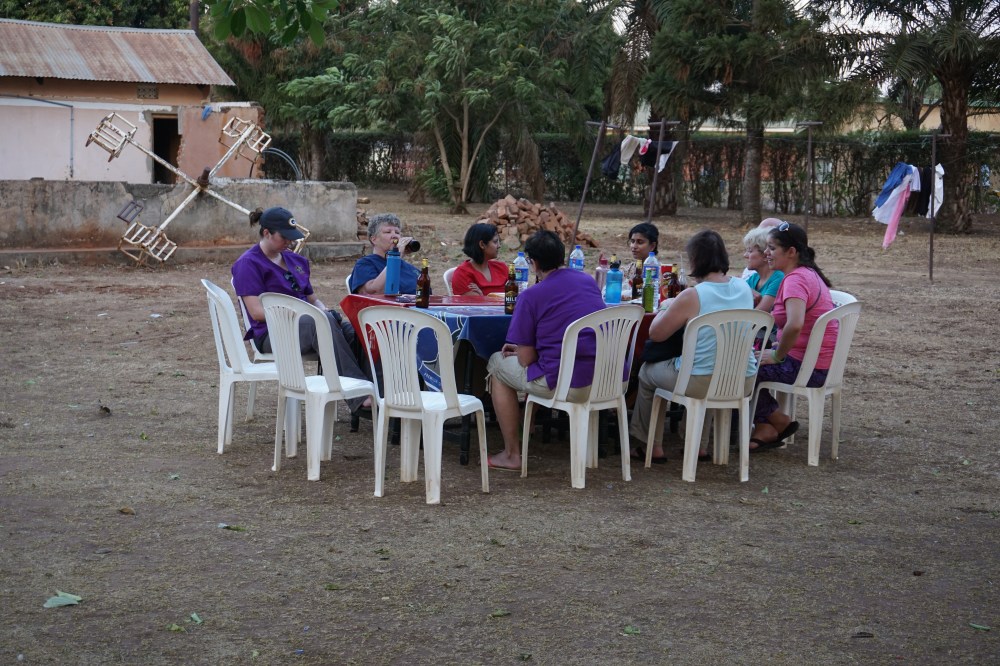
Anyone who knows me (or has seen my yearly planner – color coded and everything) is well aware of my organization skills. Well, it didn’t take Jean long to realize that I would be in charge of organizing the inventory day on the last day. It went like clock work and the team was packed up and ready to go and the August team would be set.
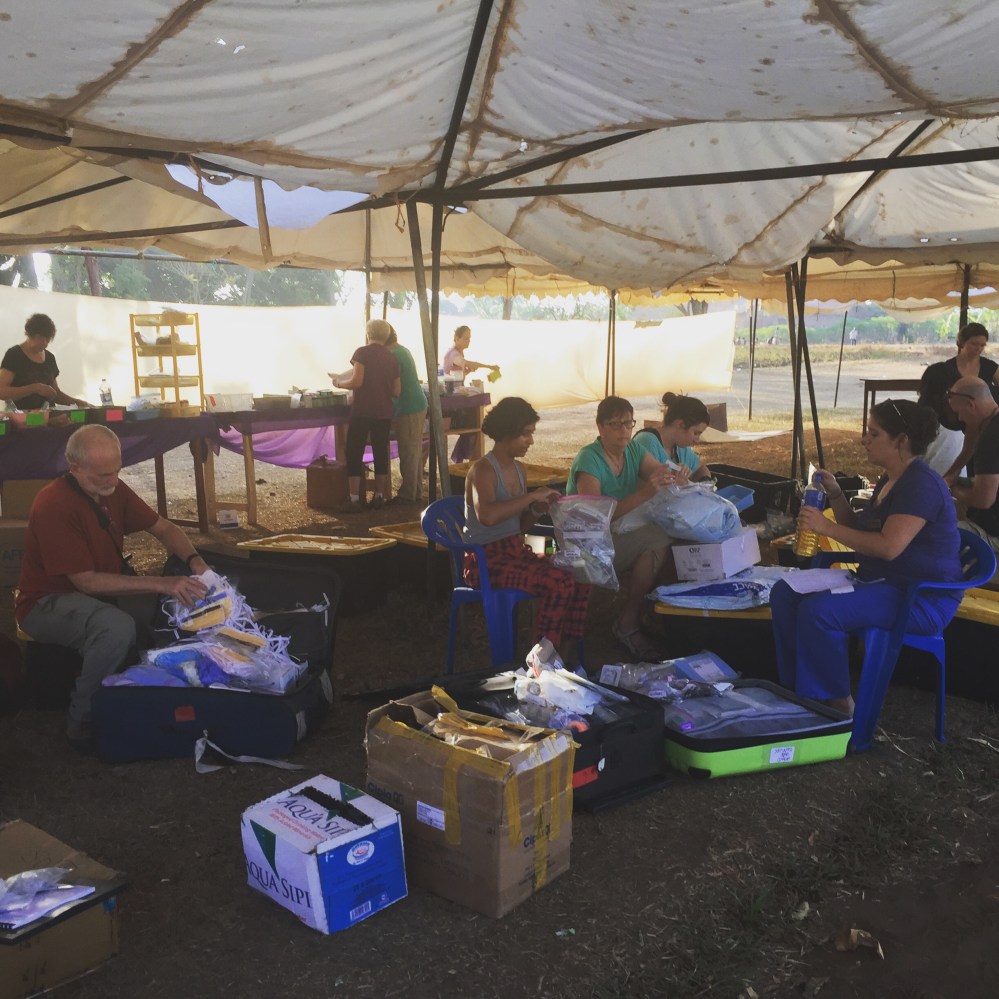
I know you are all curious about our accommodations and what amenities we had during our stay. In Kampala we stayed at The Tick Hotel (rather unfortunate name for a pretty nice hotel). Luxuries of running hot water, mosquito net, in room fridge, wifi (in my bathroom only), a circulating stand up fan were a nice feature.


In Pallisa, The Country Inn was not quite as nice, but it’s slim pickings in the country. No Air bnbs or holiday Inns to be found. (No screens on the windows, no working fans unless you brought your own, no running hot water – not that you needed it).


In today’s world of meaningless first world problems, it was a breath of fresh air to help those with limited resources who were extremely grateful and appreciative of the service we provided. Nursing care has become less about helping and healing and more about times and core measures. It was nice to get back to the heart of nursing.
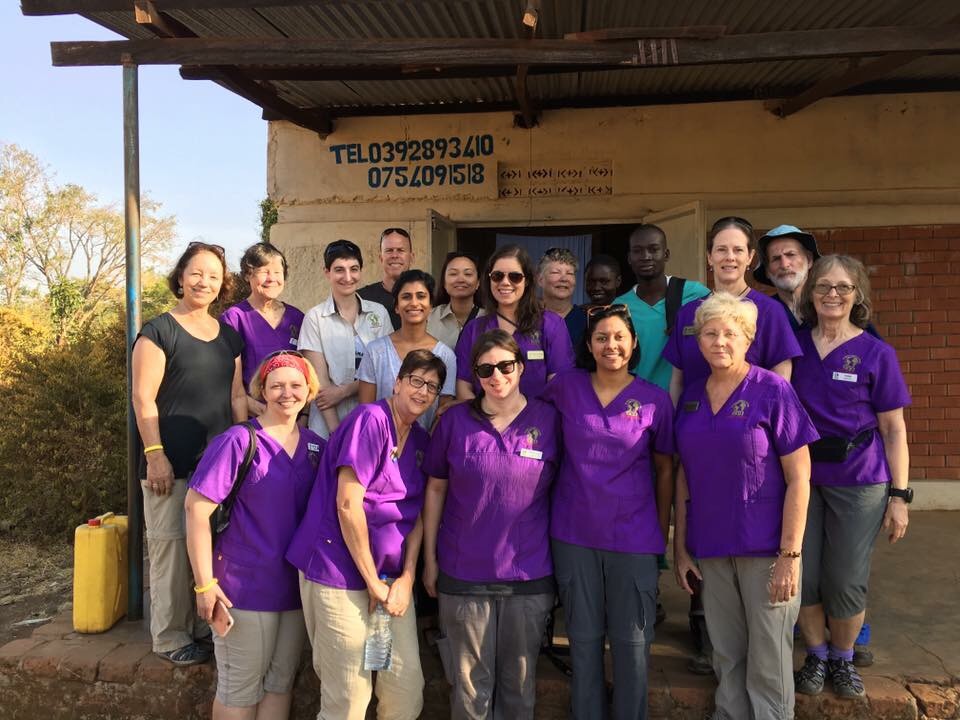
I am first to admit that I am a very jaded and cynical ER nurse (absolutely NOT in denial about that). Being a “seasoned” veteran now of 14 years has taken it’s toll. The wastefulness of the healthcare system and the entitlement that is present in healthcare today is discouraging to say the least. I highly recommend a trip like this to any ER nurse (especially those burnt out), not only to refresh your view of nursing, but to give you a sense of relevance while helping those in need.
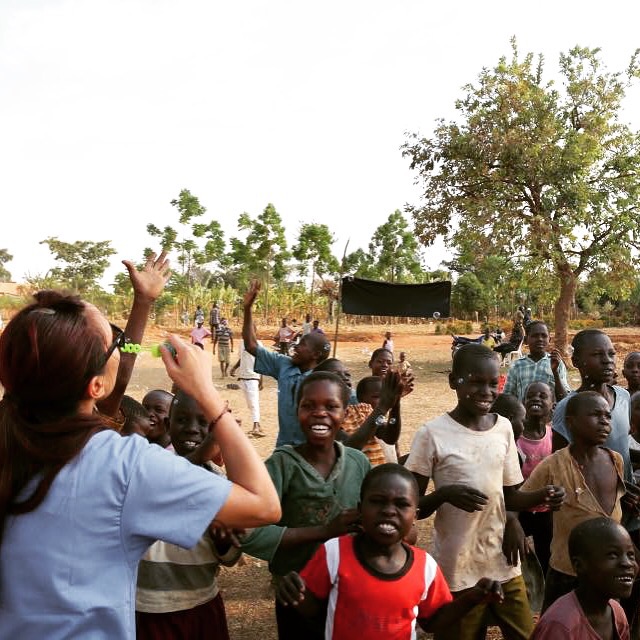
This mission not only provided me with a breath of fresh air from a nursing stand point, but a reminder of my love for humanity.
“Do something relevant, do something meaningful – it only takes one”
– Olivia Sta Rosa
 Adventuresbyliv
Wow, just wow.
It’s hard to process, the mere chance that I was born into this life vs others being born into much different circumstances.
I find even in my day to day work that I never forget how fortunate I am, and also that we all have different challenges. Empathy, delivery of compassion, and respect, is the key.
Well done Liv, proud of you!
LikeLike
Thanks for all you support. Truly appreciated. We are definitely born into our lives and have no control over what we are born into, but it takes great courage and gratefulness to truly realize that and contribute to the world in another way.
LikeLike
Liv,
Beautiful article. Amazing story, so well done! You were made for this.
Keep writing!!
LikeLike
Thank you so much for your support.
LikeLike
One of the joys in my life is being able to see things that give me pause. You have been added to my list of heroes…not because of this trip. You were added because of your spirit. Just let me say “I feel you”. Thanks for being my friend. Keep blogging…you’re really good at it!
LikeLiked by 1 person